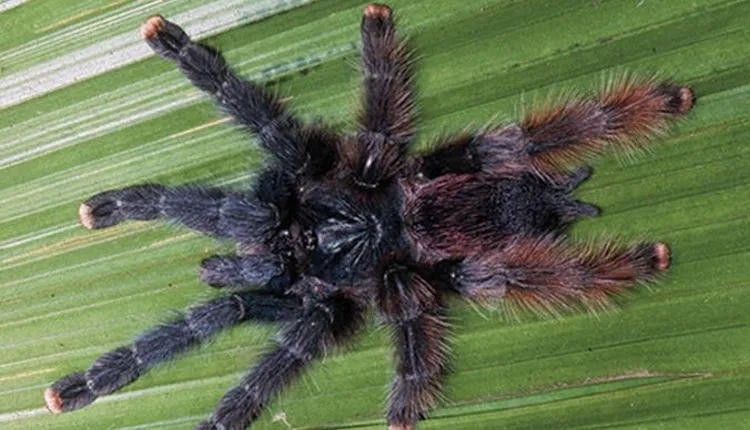
What is a Pink Toe Tarantula?
The Pink Toe Tarantula, scientifically known as Avicularia avicularia, is a captivating arboreal tarantula species, native to the rainforests of South America and the Caribbean. Their name comes from the distinctive pink coloration on their toe pads, a feature that immediately sets them apart from many other tarantula species. These spiders are popular among arachnid enthusiasts due to their relatively docile nature, vibrant appearance, and manageable size, making them a fascinating pet choice for both beginners and experienced keepers. Understanding their unique characteristics is essential for providing proper care and appreciating these beautiful creatures.
Pink Toe Tarantula Appearance
The Pink Toe Tarantula’s appearance is a major draw for many pet owners. They are a stunning species to observe in the wild. Their coloration is truly something to behold. They have a unique appearance that separates them from other species.
Size and Coloration

Adult Pink Toe Tarantulas typically reach a leg span of about 4 to 6 inches, with females generally being larger than males. Their bodies are a deep, velvety black or dark gray, providing a striking contrast to their namesake pink toe pads. The carapace, the top part of their cephalothorax, often displays a metallic sheen, while the abdomen may have reddish or bronze hairs. This combination of colors makes them visually appealing and enhances their appeal as pets. The overall size and coloration of a Pink Toe Tarantula contributes significantly to their allure.
Identifying Features
The most prominent identifying feature of the Pink Toe Tarantula is, of course, the pink coloration on the tips of their feet. These pads are not just a pretty detail but are crucial for their arboreal lifestyle, allowing them to grip and climb surfaces with ease. In addition to the pink toes, look for the dark, often iridescent, body and the subtle reddish hairs on the abdomen. These details help differentiate them from other similar species and confirm that you have the beautiful Pink Toe Tarantula. The vibrant colors and features allow for easy identification, making them a joy to observe.
Pink Toe Tarantula Habitat
Understanding the Pink Toe Tarantula’s natural habitat is crucial for replicating their needs in captivity and ensuring their well-being. These spiders are native to the rainforests of South America, including countries like Brazil, French Guiana, and Suriname, as well as the Caribbean islands. In their natural environment, they are arboreal, meaning they live primarily in trees, constructing silk retreats among the leaves and branches.
Natural Habitat

In the wild, Pink Toe Tarantulas prefer humid, warm environments with plenty of foliage. They are often found in the canopy of the rainforest, where they can easily hunt insects and avoid ground predators. Their natural habitat provides shelter from the sun, protection from the elements, and an abundance of prey. They thrive in areas with high humidity and temperatures typically between 75-85°F (24-29°C). They are very adaptable to their surroundings.
Enclosure Requirements
To replicate their natural habitat, the enclosure for a Pink Toe Tarantula should be vertical, allowing for climbing. A tall terrarium with plenty of space is ideal. The enclosure should be well-ventilated to prevent the buildup of humidity and mold. A substrate of coconut fiber or peat moss will help to maintain humidity, along with a shallow water dish and plenty of artificial or real plants for climbing and hiding. Temperature should be maintained around 75-85°F (24-29°C) and humidity levels between 70-80% for the spider to thrive. Proper enclosure care is vital for the long-term health of your pet.
Pink Toe Tarantula Diet and Feeding
Pink Toe Tarantulas are opportunistic predators, meaning they will eat whatever insects they can catch. Feeding them a proper diet is crucial for their health. Understanding their food preferences and a good feeding schedule is vital for maintaining a healthy tarantula.
Food Preferences

The primary diet of a Pink Toe Tarantula consists of insects, with crickets, roaches, and mealworms being the most popular choices. They will also occasionally eat other insects like grasshoppers and moths. It is important to vary the diet to provide a range of nutrients. The size of the prey should be appropriate for the tarantula’s size – juveniles should be fed smaller insects, while adults can handle larger prey. All insects should be gut-loaded (fed nutritious food before being offered to the tarantula) to provide the spider with the best possible nutrition. This ensures they get the appropriate vitamins and minerals.
Feeding Schedule
The feeding schedule for Pink Toe Tarantulas varies depending on their age. Spiderlings should be fed every other day, while juveniles can be fed two to three times a week. Adult tarantulas can be fed once or twice a week. It is important to monitor the spider’s abdomen; if it appears too large or distended, reduce the frequency of feeding. Always remove any uneaten prey within 24 hours to prevent stress to the tarantula. Feeding your tarantula the correct amount of food is critical for its health and well-being.
Pink Toe Tarantula Behavior
Pink Toe Tarantulas are known for their generally docile temperament, making them a popular choice for beginners. Observing their behavior offers insight into their needs and allows for better care. Understanding how to handle them and knowing their typical lifespan are essential aspects of responsible tarantula ownership.
Temperament and Handling

Pink Toe Tarantulas are typically not aggressive, but they can be skittish and may flick urticating hairs as a defense mechanism. They are generally not prone to biting. Handling should be kept to a minimum as it can stress the tarantula. If handling is necessary, do so gently and carefully, always being mindful of their fragility. Always wash your hands before and after handling your tarantula. If your tarantula feels threatened, they will try to escape rather than bite, so be sure to handle them carefully.
Lifespan
The lifespan of a Pink Toe Tarantula varies between sexes. Females can live for 10 to 12 years or longer, while males typically live for 3 to 5 years. Proper care, including appropriate temperature, humidity, and diet, is crucial for maximizing their lifespan. Regular monitoring of their health and behavior helps ensure they live a long, healthy life. Providing them with the best care possible ensures you have more time with these incredible creatures.
Pink Toe Tarantula Breeding
Breeding Pink Toe Tarantulas can be a rewarding experience for experienced keepers. It requires careful planning and observation to ensure the health and safety of both the male and female tarantula. Understanding the mating process and the care required for egg sacs and spiderlings is crucial for successful breeding.
Mating Process

Breeding Pink Toe Tarantulas involves introducing a mature male to a mature female. The male will typically drum on the substrate to attract the female. If the female is receptive, she will allow the male to mate. After mating, the male should be removed to prevent the female from attacking him. The timing of the mating and the female’s readiness are critical factors in the process. The female will then start the process of creating an egg sac.
Egg Sac and Spiderlings
The female Pink Toe Tarantula will lay eggs and encase them in a silk egg sac. The keeper should provide a stable environment for the egg sac. The egg sac can take several weeks to hatch. The spiderlings will then emerge, and the keeper must provide them with appropriate care, including a suitable enclosure, small insects for food, and the correct humidity and temperature. Raising spiderlings requires significant time and effort but is a rewarding experience for those who have the necessary experience.