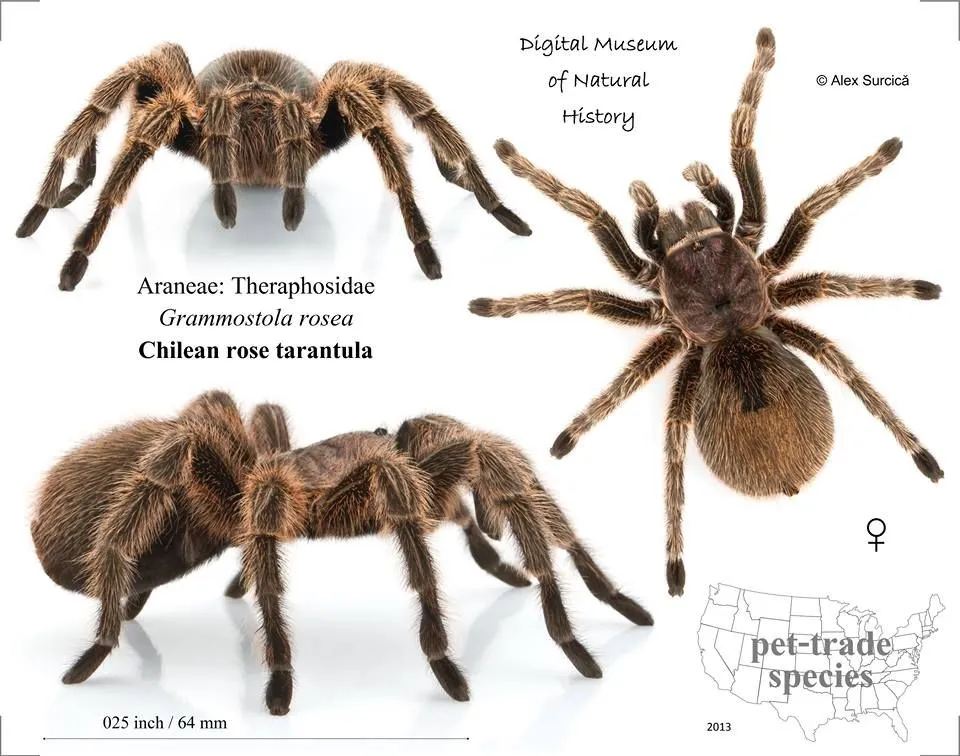
The PMET tarantula, a captivating creature that has become a popular pet for many enthusiasts, is known for its impressive size and striking appearance. Understanding the maximum size of a PMET tarantula is crucial for both prospective and current owners, as it impacts enclosure requirements, feeding habits, and overall care. This article delves into the factors influencing PMET tarantula size, providing insights into what determines their ultimate dimensions. We will explore various aspects, from age and sex to diet and genetics, to provide a comprehensive understanding of this fascinating arachnid. Prepare to uncover the secrets behind these amazing creatures and learn all about their life cycle.
PMET Tarantula Max Size What Influences It
Several factors interplay to determine the maximum size a PMET tarantula can achieve. These factors include genetics, diet, and living conditions. The size can vary significantly between individuals, with females generally growing larger than males. Understanding these influences is vital for providing optimal care and ensuring your tarantula thrives. Careful attention to these elements allows pet owners to maximize the health and well-being of their fascinating arachnid companions. Knowing the influencing factors is essential for any PMET tarantula owner to ensure their pet lives a happy, healthy life.
Age and PMET Tarantula Size
Age is a primary determinant of a PMET tarantula’s size. Like all living creatures, tarantulas grow over time, and their size increases with each molt. Younger tarantulas molt more frequently, with this frequency decreasing as they mature. The number of molts a tarantula undergoes throughout its life is also a contributing factor. Each molt represents a growth spurt, with the tarantula shedding its exoskeleton to reveal a new, larger one. This process continues until the tarantula reaches its adult size, which can take several years, depending on the species and environmental conditions. Proper care during the molting process is critical for the tarantula’s health and growth.
Understanding Growth Stages of PMET Tarantulas

PMET tarantulas progress through distinct growth stages, each marked by molting. During the spiderling stage, they are small and molt frequently, sometimes every few weeks. As they mature into juveniles, the molting frequency decreases. Finally, adult tarantulas typically molt annually or even less often. The growth stages are directly related to the tarantula’s size, with each molt contributing to its overall dimensions. Observing these stages can give owners insights into their tarantula’s health and growth patterns. Paying close attention to these growth stages allows you to take measures to ensure the best care for your tarantula.
Sex and PMET Tarantula Size
Sexual dimorphism, or differences in size between males and females, is another factor that influences PMET tarantula size. In many tarantula species, females tend to be larger and heavier than males. This size difference is attributed to the female’s reproductive role, requiring a larger body to carry eggs. Males, on the other hand, often have a shorter lifespan and prioritize mating over growth. Recognizing the sex of a PMET tarantula can help owners anticipate its potential size and adjust their care accordingly. Knowing the differences between a male and a female PMET tarantula is essential for proper housing and overall well-being.
Female PMET Tarantulas Size Compared to Males
Female PMET tarantulas typically outgrow their male counterparts. They have a longer lifespan, which provides more time for growth. This difference is especially notable in larger species, where the size disparity can be quite significant. Male PMET tarantulas often reach their maximum size sooner, and their primary focus shifts to reproduction, whereas females can keep growing as they develop. If size is a priority for the owner, a female is usually the best option. As such, the females will tend to be more in the eyes of the owner.
Diet and PMET Tarantula Size

A balanced diet plays a pivotal role in a PMET tarantula’s growth and size. Providing a consistent supply of appropriately sized prey items is essential. The diet should include insects such as crickets, mealworms, and roaches, depending on the tarantula’s size and preferences. Regular feeding promotes healthy molts and contributes to overall growth. Overfeeding can lead to health issues, so it’s important to strike a balance. Providing the right amount of food and the right kind of food is critical to ensuring that your pet thrives and grows to a healthy size. Diet and feeding practices are key to the spider’s health.
Impact of Nutrition on PMET Tarantula Growth
Nutrition directly impacts growth rates. A diet rich in protein and other essential nutrients supports healthy molting and size increases. Insufficient nutrition can lead to stunted growth, delayed molting, and other health problems. Providing vitamin supplements can also be beneficial. The quality and type of prey also affect the overall health of the tarantula. Nutritional deficiencies can result in problems, while a well-rounded diet supports a longer lifespan. Proper care of your tarantula involves a balanced diet to ensure healthy growth and development. Careful consideration to the nutritional needs of your spider is critical.
Habitat and PMET Tarantula Size
The habitat in which a PMET tarantula is kept also influences its growth potential. An appropriately sized enclosure with the right substrate, temperature, and humidity levels supports healthy molting and overall well-being. A cramped environment can hinder growth, while a spacious habitat provides ample room for movement and development. Environmental conditions should closely replicate the natural habitat to promote optimal growth. Providing a good habitat ensures the spider can grow to its full potential. A properly maintained habitat is critical for your PMET tarantula’s overall health and size.
Enclosure and PMET Tarantula Growth

The size of the enclosure is directly related to the tarantula’s growth. A too-small enclosure will restrict movement and hinder growth, while one that is too large may make it difficult for the tarantula to find its food. The substrate should be suitable for burrowing or webbing, depending on the species. Temperature and humidity levels are also crucial for successful molting and overall health. Proper enclosure management will contribute to the spider’s well-being, allowing it to reach its maximum size. Monitoring the living conditions is very important for the life of your tarantula.
Genetic Factors and PMET Tarantula Size
Genetics play a fundamental role in determining a PMET tarantula’s maximum size. Just as with humans, different tarantula species and even individual tarantulas within the same species can exhibit variations in size due to their genetic makeup. Certain species are naturally larger than others, and even within a species, there might be genetic predispositions to grow bigger or smaller. This genetic influence also determines how quickly the tarantula will grow. Understanding these genetic factors helps owners set realistic expectations and provide appropriate care for their tarantulas, making sure the right conditions are in place to thrive.
PMET Tarantula Size Maximum Size Explained
The maximum size of a PMET tarantula is a culmination of the factors discussed above. However, it’s important to remember that there’s no one-size-fits-all answer. The actual size can vary significantly based on a combination of the species, sex, age, diet, habitat, and genetics. While it’s difficult to predict the exact size of any given tarantula, understanding these factors will help you provide the best care possible and observe the natural growth and development of your pet. Proper care and a good habitat are critical for the growth and well-being of your PMET tarantula.
What Is The Maximum Size of PMET Tarantulas

The PMET tarantula species can vary in size, with some growing much larger than others. Generally, the size is measured by the leg span. Depending on the species, a female PMET tarantula can reach a leg span of up to 10 inches or more, while males are typically smaller. Several factors contribute to a tarantula’s eventual size, including proper nutrition, habitat, age, and genetics. Knowing the potential maximum size can help in providing appropriate housing and care. Be sure to research your specific species to know the size to which it may grow.
Top 5 Facts about PMET Tarantula Max Size
- Females generally grow larger than males.
- Age and molting frequency influence size.
- Diet rich in protein is crucial for growth.
- Habitat and enclosure size impacts development.
- Genetics determine the growth potential of your tarantula.
In conclusion, understanding the PMET tarantula’s maximum size is essential for providing proper care and ensuring its well-being. By considering factors like age, sex, diet, and habitat, you can create an environment that supports healthy growth. Remember that the potential size varies between species, so research your specific tarantula type. By providing the best care, you’ll watch your PMET tarantula thrive. The right conditions are key for maximizing the health and well-being of your arachnid friend.