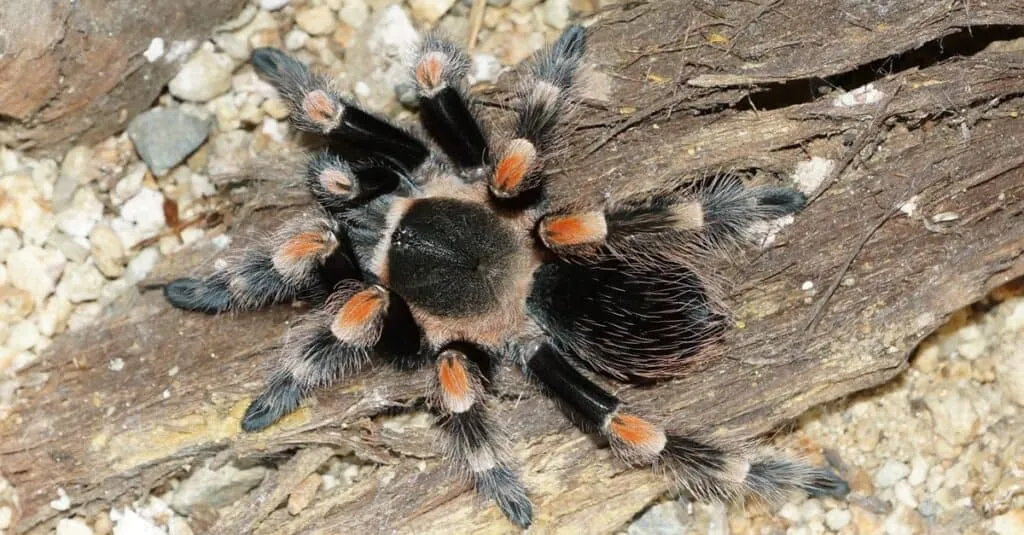
Red Knee Tarantula Slings: Understanding Their Needs
Caring for a Red Knee Tarantula sling can be a rewarding experience. These tiny arachnids, the juvenile form of the majestic Red Knee Tarantula (Brachypelma hamorii), require specific environmental conditions and careful handling to thrive. Understanding their needs is the first step towards providing a healthy and comfortable life for your new pet. This guide will provide you with the top 5 essential tips for ensuring your Red Knee Tarantula sling flourishes. From maintaining the perfect habitat to providing proper nutrition, these insights will help you raise a happy and healthy tarantula.
Temperature and Humidity: Creating the Right Environment
The environment is the key to the survival and health of your Red Knee Tarantula sling. They are ectothermic, meaning they rely on external sources to regulate their body temperature. Maintaining appropriate temperature and humidity levels is crucial for their well-being, including promoting healthy molting, feeding, and general activity. Too much or too little of either can lead to stress, illness, or even death. Investing in a reliable thermometer and hygrometer will allow you to monitor the conditions within the enclosure.
Optimal Temperature Range for Slings

The ideal temperature range for a Red Knee Tarantula sling is between 75°F and 80°F (24°C and 27°C). A slight fluctuation is acceptable, but avoiding sudden and drastic temperature changes is critical. If your home is consistently cooler than this range, you may need a heat source, such as a low-wattage heat mat placed on the side of the enclosure. Never place the heat mat directly under the enclosure, as this could overheat the substrate and harm the sling. Always monitor the temperature with a reliable thermometer to ensure accuracy.
Maintaining Humidity Levels
Humidity is also very important for a Red Knee Tarantula sling, although it does not need as much as some tropical species. Aim for a humidity level between 60% and 70%. You can achieve this by lightly misting the enclosure with dechlorinated water every few days, avoiding directly spraying the sling. The frequency of misting will depend on the ventilation of the enclosure and the ambient humidity of your home. A hygrometer will allow you to check and confirm the humidity. A shallow water dish can also contribute to humidity, and is essential to have in the enclosure.
Choosing the Right Substrate
The substrate, the material that lines the bottom of the enclosure, is more than just a decorative element. It plays a vital role in maintaining humidity, providing a place for the tarantula to burrow (if it chooses to), and offering a surface for the sling to walk on. Choosing the right substrate is essential for the health and well-being of your Red Knee Tarantula sling. There are several options available, each with its own pros and cons. It’s important to choose a substrate that is safe, non-toxic, and suitable for the tarantula’s needs.
Substrate Options and Their Benefits

Popular substrate options for Red Knee Tarantula slings include coconut fiber (also known as coco coir), vermiculite, and a mix of these materials. Coconut fiber is an excellent choice due to its ability to retain moisture, which helps maintain humidity levels. It is also readily available and relatively inexpensive. Vermiculite is another good option, offering similar moisture-retaining properties, and it helps with ventilation. Some keepers prefer a mixture of both for optimal results. Avoid substrates like sand or gravel, as they are not suitable for burrowing and can be harmful if ingested.
Substrate Depth and Maintenance
The depth of the substrate should be approximately 2 to 3 inches, sufficient for the sling to burrow slightly if it chooses. Spot clean the substrate regularly, removing any uneaten food, molts, or waste. Complete substrate changes should be done every few months or when necessary, depending on the size of the enclosure and the amount of waste produced. When changing the substrate, make sure to thoroughly clean the enclosure with a reptile-safe disinfectant before replacing the substrate.
Feeding Your Red Knee Tarantula Sling
Feeding is another critical aspect of Red Knee Tarantula sling care. They have specific dietary needs that must be met to ensure proper growth and development. The type of food, frequency of feeding, and amount of food offered all play essential roles in maintaining a healthy sling. They are voracious eaters, and watching them hunt and consume their meals can be fascinating. However, it’s important to feed them the right things and the right amount to prevent issues like obesity or malnutrition.
Appropriate Food Types and Sizes

The best food for Red Knee Tarantula slings are small, live insects. Appropriately sized crickets, flightless fruit flies, or small mealworms are excellent choices. The food should be no larger than the sling’s carapace (the top part of its body). Feeding insects that are too large can be stressful for the sling and may even pose a risk of injury. Pre-killed insects are generally not recommended unless the sling is unable to catch live prey due to a medical condition or other issues. Always ensure that any insects you offer are free from pesticides.
Feeding Frequency and Amounts
Feed your Red Knee Tarantula sling 2 to 3 times per week, offering one or two appropriately sized insects per feeding. The amount you feed will depend on the size and appetite of the sling. Observe your sling to gauge its hunger and adjust the feeding accordingly. If the sling consistently refuses food, it could be a sign that it is preparing to molt, or that its environment is not optimal. Remove any uneaten food within 24 hours, as decaying insects can attract mites or other pests.
Providing Water and Hydration
Water is essential for all living creatures, and Red Knee Tarantula slings are no exception. Providing a clean water source is crucial for hydration and overall health. Dehydration can be fatal, so ensuring your sling has constant access to fresh water is non-negotiable. The type of water dish and its placement are also important factors to consider. A simple, easy-to-maintain setup can make a huge difference in the well-being of your pet.
Water Dish Options and Placement

Use a shallow water dish, such as a bottle cap or a small, commercially available water dish designed for reptiles or invertebrates. Ensure the dish is shallow enough to prevent the sling from drowning. Place the water dish on the substrate in a stable location within the enclosure. Regularly refill the water dish with fresh, dechlorinated water, typically every 1-2 days, or as needed. Clean the water dish regularly to prevent the buildup of bacteria or algae. A small sponge or cotton ball placed in the water dish can also provide additional safety, allowing the sling to climb out if it accidentally falls in.
Checking for Molting
Molting is a natural process in which the tarantula sheds its exoskeleton to grow. During this time, the sling will be very vulnerable. You might notice a change in its appearance, activity level, or appetite. Prior to molting, the sling may stop eating, and its abdomen might appear darker and swollen. Be patient and avoid disturbing the sling during this time. Molting can take a few hours to a few days, depending on the sling’s size. After molting, the sling’s new exoskeleton will be soft, and it may be slow or sluggish. Do not feed the sling for a few days after molting to allow its exoskeleton to harden completely. This is a critical time, as the new exoskeleton is fragile. Proper humidity is essential.
Handling and Safety Precautions
While Red Knee Tarantulas are generally docile, handling them as slings is not recommended. Their small size and fragility make them susceptible to injury. Furthermore, slings can be skittish and prone to bolting, which can lead to accidental drops or injuries. It’s crucial to prioritize the safety and well-being of both the sling and yourself. If you must move your sling, use a wide-mouth container and gently encourage it to walk into it. Always wash your hands thoroughly before and after interacting with your tarantula.
Avoiding Stress During Handling
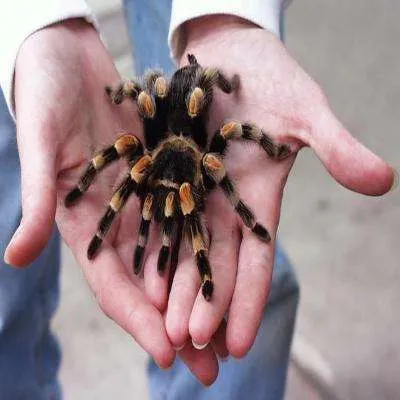
Minimize handling to avoid stressing your sling. If you need to inspect it or clean the enclosure, do so carefully and gently. Handle them near a soft surface, just in case it falls. Never force the sling to do anything. If it seems stressed, or tries to escape, stop immediately. Respect the sling’s space and allow it to move at its own pace. A stressed tarantula may flick hairs, which can cause irritation, or even attempt to bite. Always be aware of your own actions, and avoid quick movements, which can startle the sling.
Recognizing Signs of a Healthy Sling
Learning to recognize the signs of a healthy sling is crucial for providing optimal care. A healthy Red Knee Tarantula sling will be active, alert, and have a good appetite. Its abdomen should be plump and not appear shriveled. The colors should be vibrant and true to its species. It should also be molting regularly, which indicates that it is growing and thriving. If you observe any signs of illness, such as lethargy, loss of appetite, or changes in appearance, consult with an experienced tarantula keeper or veterinarian specializing in exotic animals.
Conclusion
Caring for a Red Knee Tarantula sling can be an incredibly rewarding experience, providing a glimpse into the fascinating world of arachnids. Following these 5 tips will help you create the optimal environment and lifestyle for your sling, helping it grow into a vibrant and healthy adult. Remember that patience, observation, and attention to detail are key. By understanding their needs, providing proper care, and handling them with respect, you can enjoy a fulfilling journey as a tarantula keeper.