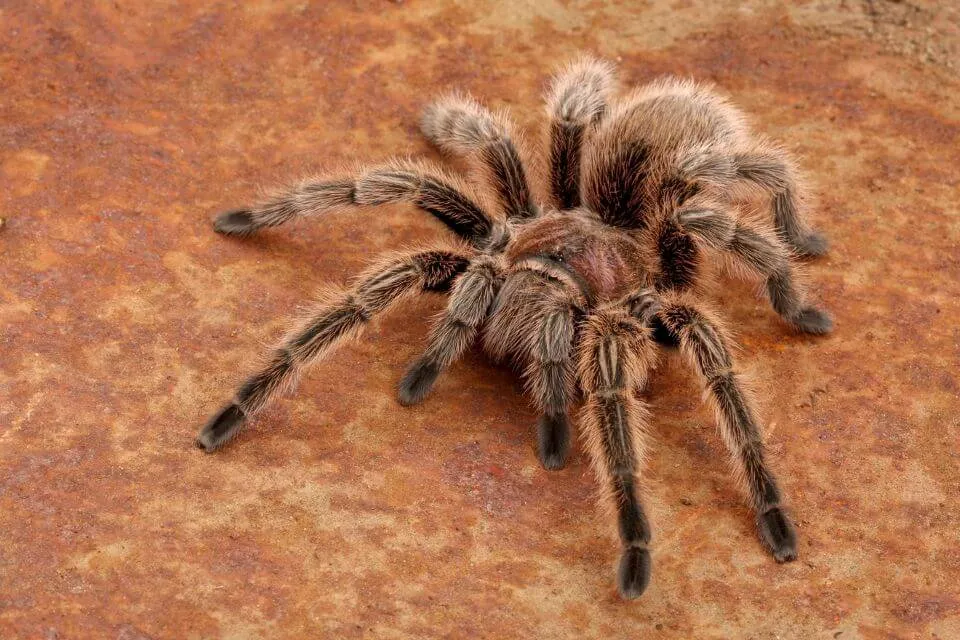
Rose Hair Tarantula Feeding Top 5 Tips
The rose hair tarantula, a beloved pet among arachnid enthusiasts, is relatively easy to care for. A key aspect of keeping your rose hair tarantula happy and healthy is providing proper nutrition. Feeding is not just about throwing a cricket in the enclosure, however. There are several factors to consider, including prey type, size, and frequency. This guide provides the top 5 tips to ensure your rose hair tarantula thrives. Following these simple guidelines will help you avoid common pitfalls and ensure your tarantula lives a long and healthy life. Remember that each tarantula is an individual, and paying close attention to its specific needs is paramount to its well-being. Preparing a feeding schedule can give you some guidance, but your attention and care are essential.
Tip 1 Provide the Right Prey
The first and perhaps most important tip involves providing the correct type of food. Rose hair tarantulas are insectivores, meaning their diet consists primarily of insects. Crickets are a popular and readily available option, but other insects such as mealworms, dubia roaches, and superworms can also be offered. It’s important to ensure the insects are healthy and free from pesticides. Always source your feeder insects from a reputable supplier to avoid introducing parasites or harmful chemicals into your tarantula’s environment. Providing a varied diet can also contribute to the overall health of your pet, just like for humans. Remember that a well-fed tarantula is a happy tarantula.
Prey Size and Type

When selecting prey, size matters. The insects should be no larger than the tarantula’s body length, excluding the legs. Offering prey that is too large can stress your tarantula or even pose a danger to it, while prey that is too small may not provide adequate nutrition. Variety is the spice of life, even for tarantulas. While crickets form the base of many tarantula diets, periodically offering other insects like dubia roaches or mealworms provides a balanced diet and keeps things interesting for your pet. Consider the nutritional value of different insects when making your choices, as some may offer more essential nutrients than others. Furthermore, gut-load the insects with nutritious foods before offering them to your tarantula, to enhance the nutritional value of the prey. This will contribute to your tarantula’s health and growth.
Frequency of Feeding
The frequency of feeding depends on the tarantula’s age and size. Spiderlings should be fed more often, usually every other day, while adult rose hair tarantulas can be fed once or twice a week. Adjust the feeding schedule based on your tarantula’s appetite and body condition. If your tarantula consistently refuses food, it may be in premolt or simply not hungry. Overfeeding can lead to obesity and potential health problems. Monitor your tarantula’s abdomen; it should be plump but not excessively so. Observe any changes in the abdomen, such as a darkening, which indicates it’s nearing a molt. Adjust your feeding schedule accordingly to avoid causing issues.
Tip 2 Observe Your Tarantula’s Appetite
Paying attention to your tarantula’s feeding habits is crucial for its health. A healthy tarantula will generally be eager to eat, especially if it’s an adult. However, various factors can affect its appetite, including molting, environmental changes, and overall health. Learning to recognize the signs of hunger and refusal will help you adjust the feeding accordingly. Remember, the goal is to provide the best possible care for your rose hair tarantula, and observing its eating habits is fundamental to that goal.
Signs of Hunger

A hungry tarantula often exhibits behaviors that signal its readiness to eat. It may actively hunt, moving around its enclosure and showing interest in any movement. Some tarantulas will sit near the entrance of their burrow, waiting for prey to come by. Another sign is when the tarantula quickly pounces on the offered prey. This eagerness indicates that the tarantula is ready and willing to eat. If you’ve provided the right environment and the tarantula has been healthy, these actions are typically a sign of hunger. Monitoring and understanding your tarantula’s hunger signs is an essential part of caring for them.
Signs of Refusal
Conversely, a tarantula may show signs of not wanting to eat. If it doesn’t show any interest in the prey, it might not be hungry. A tarantula approaching a molt will often refuse food. Similarly, a tarantula may refuse food if it feels threatened or if its enclosure conditions are not ideal. If your tarantula is hiding, not eating, and seems to be in a burrow, it is likely going to molt. If your tarantula refuses food for an extended period, ensure the enclosure conditions are correct and that there are no stressors. In most cases, these refusals are temporary and a sign the tarantula is preparing for a molt.
Tip 3 Maintain Proper Tank Conditions
The environment your tarantula lives in significantly affects its health and well-being, including its willingness to eat. Providing a suitable habitat that mimics their natural environment is essential for successful feeding. This includes maintaining the right temperature and humidity levels and keeping the enclosure clean. By paying attention to these environmental factors, you are ensuring that your rose hair tarantula is living its best life. An appropriate tank environment is key to your tarantula’s happiness and well-being. A happy and healthy tarantula is much more likely to eat and thrive.
Temperature and Humidity

Rose hair tarantulas thrive in specific temperature and humidity ranges. Maintaining the correct temperature is essential for their metabolism and digestion. Typically, a temperature between 75-85°F (24-29°C) is ideal. Use a thermometer to monitor the temperature regularly. Humidity is equally important. Rose hair tarantulas require a humidity level of 60-70%. Regular misting of the enclosure, especially the substrate, can help maintain this level. Use a hygrometer to measure humidity levels and make adjustments as needed. Providing the correct temperature and humidity will make them more comfortable, thereby encouraging them to eat.
Cleanliness
Cleanliness is crucial in any tarantula enclosure to prevent mold, mites, and other issues that can negatively affect your pet’s health. Regularly remove any uneaten prey items, as they can decompose and cause bacteria growth. Replace the substrate periodically to maintain a clean environment. Ensure the water dish is clean and always filled with fresh water. A clean enclosure contributes to your tarantula’s well-being and overall health. Furthermore, providing a clean enclosure reduces the risk of your tarantula rejecting food due to environmental factors.
Tip 4 Handle Your Tarantula with Care
While rose hair tarantulas are generally docile, they are still delicate creatures. Handling your tarantula should be kept to a minimum to avoid stress and potential injury. If handling is necessary, it should be done with extreme care and caution. Always respect your tarantula’s space and understand its behavior. When you handle your tarantula, do so with utmost care to ensure its safety. Improper handling can lead to the tarantula dropping or injuring itself. Minimizing stress and potential injury is important for maintaining its health and willingness to eat.
Safe Handling Practices

If handling is necessary, do so over a soft surface, such as a bed or a carpet, to minimize the risk if the tarantula falls. Use a gentle approach, and never try to grab or startle the tarantula. Allow the tarantula to walk onto your hand. Avoid sudden movements, as they can startle the tarantula. Wash your hands thoroughly before and after handling. Understand that not all tarantulas enjoy being handled. Respect your tarantula’s personality and preferences. Sometimes, the best interaction is observation.
Risks of Overhandling
Overhandling can cause stress, which can lead to a loss of appetite and other health problems. Constant handling can also damage the tarantula’s delicate hairs and potentially lead to defensive behavior, such as biting. Limit handling to the necessary situations only, such as during enclosure maintenance or when inspecting your tarantula for any health concerns. Handling is not a necessity for tarantula care. It’s important to prioritize the tarantula’s well-being by respecting its space and minimizing any unnecessary handling. Observe and enjoy your pet from a safe distance to avoid adding stress.
Tip 5 Offer Fresh Water
Fresh, clean water is essential for your rose hair tarantula’s hydration and overall health. Providing a constant supply of fresh water in a shallow dish allows your tarantula to drink as needed. Always ensure the water dish is clean and free of debris. Water quality is just as important as food quality. Your tarantula can become dehydrated without adequate water. Therefore, a consistent supply of clean water is crucial for maintaining its health and well-being.
Water Bowl Requirements

The water bowl should be shallow enough to prevent drowning and sized appropriately for your tarantula. A bottle cap or a shallow dish designed for reptiles works well. Place the water bowl in a stable location in the enclosure, away from any potential hazards. The bowl should be easy to clean and maintain. It should be large enough to accommodate the tarantula, but not so large that it takes up too much space in the enclosure. Proper hydration is vital, so always make sure the bowl is filled.
Water Quality
Use fresh, dechlorinated water in your tarantula’s water dish. Tap water often contains chlorine and other chemicals that can be harmful to tarantulas. You can use bottled water or dechlorinate tap water before providing it to your pet. Change the water regularly, at least every other day, to prevent bacteria growth and maintain water quality. Clean the water dish thoroughly during water changes. Provide fresh water to ensure your tarantula stays hydrated and healthy. Water quality is a critical component of the overall health of your rose hair tarantula.