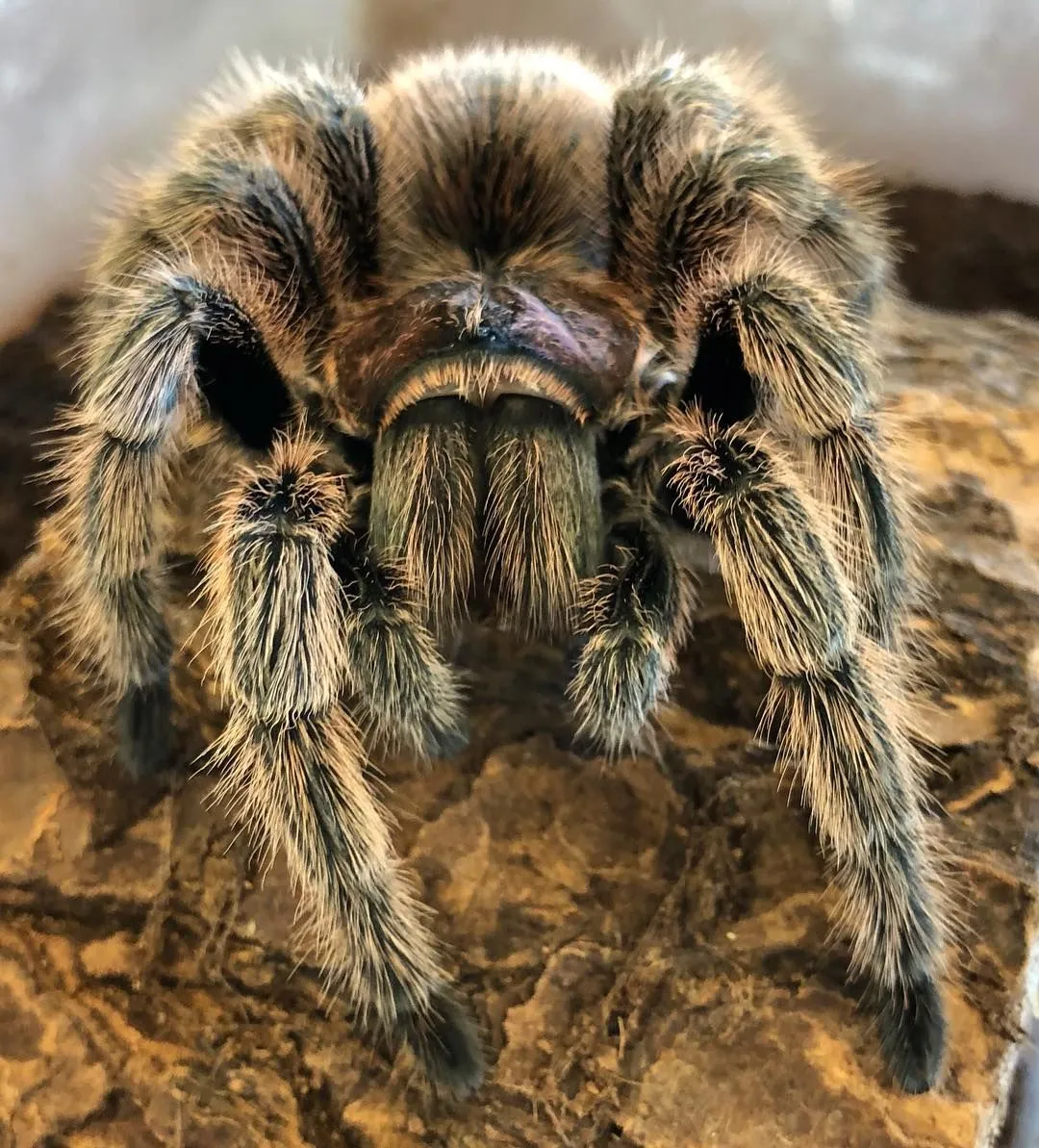
What You Need to Know About Rose Hair Tarantula Mating
Mating rose hair tarantulas, also known as Chilean rose tarantulas (Grammostola rosea), is a fascinating yet delicate process. This comprehensive guide will walk you through everything you need to know, from understanding their behavior to ensuring a successful mating and post-mating care. Bringing these beautiful creatures together to breed requires careful planning, a suitable environment, and a good understanding of their specific needs. The process, while natural, can be challenging, and knowledge is key to increasing the chances of a positive outcome. This guide aims to equip you with the information necessary to navigate the complexities of rose hair tarantula mating.
Understanding Rose Hair Tarantula Behavior
Before attempting to breed rose hair tarantulas, it’s essential to understand their natural behaviors. They are generally docile tarantulas, making them popular pets, but their behavior changes significantly during mating season. Observe your tarantulas closely. Male and female tarantulas will exhibit specific behaviors that signal their readiness to mate. Familiarity with these behaviors will help you determine the right time to introduce them. Understanding their molting cycle is also vital, as this impacts their reproductive capability. Healthy, well-fed tarantulas are more likely to successfully mate, so a good diet and proper care are essential for the best results. This knowledge forms the foundation for a successful breeding attempt.
The Male Rose Hair Tarantula

Male rose hair tarantulas undergo a final molt into adulthood, at which point they develop a unique set of features. These include tibial hooks on their front legs, which they use to secure the female’s fangs during mating. These hooks are a critical indicator that a male is sexually mature. Additionally, males will build a sperm web, which they then use to collect sperm before mating. Observing these physical and behavioral changes are important indicators of a male’s readiness to mate. A mature male is typically smaller and less robust than a female, with longer legs. This is one of the easiest ways to differentiate between the sexes once they have reached maturity.
The Female Rose Hair Tarantula
Female rose hair tarantulas do not undergo a final molt. They continue to grow with each molt, and their size and maturity are key factors in successful mating. A mature female is larger and has a more robust build. A well-fed, healthy female is more likely to accept a male. Before introducing a male, ensure the female has recently molted, as this is when they are most receptive to mating. Healthy females will also have a higher chance of producing viable eggs. Observe her feeding habits and overall demeanor to gauge her readiness. These factors will impact the outcome of the mating process and potential for offspring.
Setting the Stage for Mating
Creating the right environment is crucial for a successful mating attempt. This involves providing the right temperature, humidity, and a stress-free atmosphere for both tarantulas. The habitat should be clean and have the appropriate substrate. Preparing the environment well in advance will give the tarantulas the best chance of mating. The goal is to make them feel secure and comfortable. Be sure the enclosure is properly sized, as too much space can make it difficult for the male to find the female and cause them both stress. A well-prepared environment greatly increases your chances of a successful mating and subsequent egg sac production.
Creating the Optimal Environment
The ideal environment mimics the tarantulas’ natural habitat. This involves providing a suitable substrate like peat moss or coconut fiber. The enclosure should also include hiding places like cork bark or artificial plants, which give the tarantulas a sense of security. Ensure the enclosure is clean and free from any potential hazards. Proper ventilation is also necessary to prevent the buildup of humidity and stale air. Creating a comfortable environment can make them feel more relaxed, which can increase their chances of mating. Carefully consider every aspect of the environment to maximize the potential for success.
Temperature and Humidity
Rose hair tarantulas thrive in specific temperature and humidity ranges. The ideal temperature is usually between 75-85°F (24-29°C). Maintain humidity levels around 60-70% by misting the enclosure regularly, especially in drier environments. Monitor these parameters with a thermometer and hygrometer. Fluctuations in temperature or humidity can stress the tarantulas and decrease their chances of mating. Providing a stable climate will contribute to their overall well-being and preparedness for the mating process. Consistency is key, so monitor the conditions regularly to ensure they remain optimal.
Choosing the Right Time
The best time to introduce the tarantulas is when both are in prime condition. The female should be well-fed and receptive, which is often after she has molted. Observe the male for signs of maturity, such as tibial hooks. Monitor their behavior closely. It is best to introduce the male to the female’s enclosure, preferably in the evening, as tarantulas are often most active at night. Be patient and prepared to separate them if the female shows aggression. Choosing the right time and observing their behavior are vital for a successful outcome and minimizing the risk of the male being harmed.
The Mating Process Step-by-Step
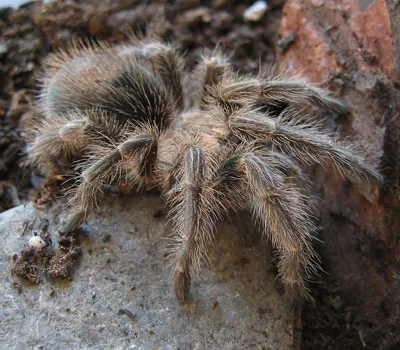
The actual mating process is a fascinating spectacle. It involves a complex series of behaviors. Understanding these steps will help you to monitor the process. Careful observation is important, as each stage carries its own risks and rewards. Be prepared to intervene if necessary, but allow the tarantulas to behave as naturally as possible. Patience and a keen eye are essential for witnessing and ensuring a successful mating. The following steps outline the typical progression of a mating attempt. Keep in mind that each tarantula is unique, and the process can sometimes vary.
Introducing the Tarantulas
Gently introduce the male to the female’s enclosure. It is recommended to place the male in the female’s enclosure, as this allows her to feel more in control and less threatened. Monitor their initial interactions closely. The female might be receptive, or she might be aggressive. Have a plan to separate them immediately if the female shows aggression. If all goes well, the male will start tapping on the female’s enclosure with his legs to signal his presence and intentions. If the female is receptive, she will respond, and the mating ritual will begin. Be ready to intervene if the situation becomes dangerous for the male.
The Mating Ritual
The mating ritual is a dance of sorts. The male will approach the female, often tapping his legs to signal his intent. The male will then use his tibial hooks to secure the female’s fangs and prevent her from biting him. He then inserts his pedipalps (specialized mouthparts) into the female’s epigastric furrow to deposit sperm. This process may take several minutes or even longer. After mating, quickly remove the male from the enclosure to prevent the female from attacking and possibly eating him. Careful monitoring during this critical period is essential to protect the male’s safety.
Post-Mating Care and Considerations

After mating, both tarantulas will require specific care. The female will need special attention to ensure the development of her eggs, while the male needs a safe place to recover. Observe the female for signs of egg sac production and adjust her care accordingly. It is important to provide appropriate conditions to maximize the chances of a successful egg sac and hatching. The care provided in this period will greatly influence the outcome of the whole process. Prepare for potential issues such as the female not producing an egg sac or the eggs not hatching. Careful monitoring is crucial during this phase.
Separating the Tarantulas
Immediately after mating, it’s vital to separate the tarantulas. The female may become aggressive towards the male. Use a long pair of tweezers or a similar tool to safely remove the male from the enclosure. Return the male to his own enclosure. Monitor both tarantulas closely for any signs of injury. Be vigilant in your observations to ensure their safety. Rapid separation minimizes the risk of injury to either tarantula and increases the chance of a successful outcome for the female. This is a crucial step in the overall process and should be handled with care.
Caring for the Female Tarantula
After mating, the female will require extra care. Provide her with plenty of food to support egg production. Maintain the correct temperature and humidity. Offer her a constant supply of fresh water. Monitor her behavior for signs of egg sac production. In some cases, the female may not produce an egg sac, or the eggs may be infertile. If she does create an egg sac, you will need to decide whether to let her care for the eggs or to remove the sac for artificial incubation. The care provided during this time greatly influences the success of egg development and the survival of the spiderlings.
What to Expect After Mating
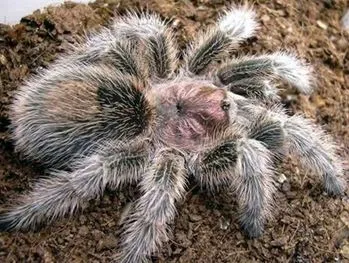
If the mating is successful, the female will produce an egg sac. The time it takes for her to do so varies. She will typically lay the eggs a few months after mating. The female will typically guard the egg sac, but you can remove it for artificial incubation if desired. If the eggs hatch, you will have many spiderlings. Raising spiderlings is a demanding task that requires providing them with a suitable environment, including food and appropriate care. Prepare for a new generation of rose hair tarantulas if the mating is successful. Be prepared to provide the necessary conditions for the hatchlings to ensure their survival.