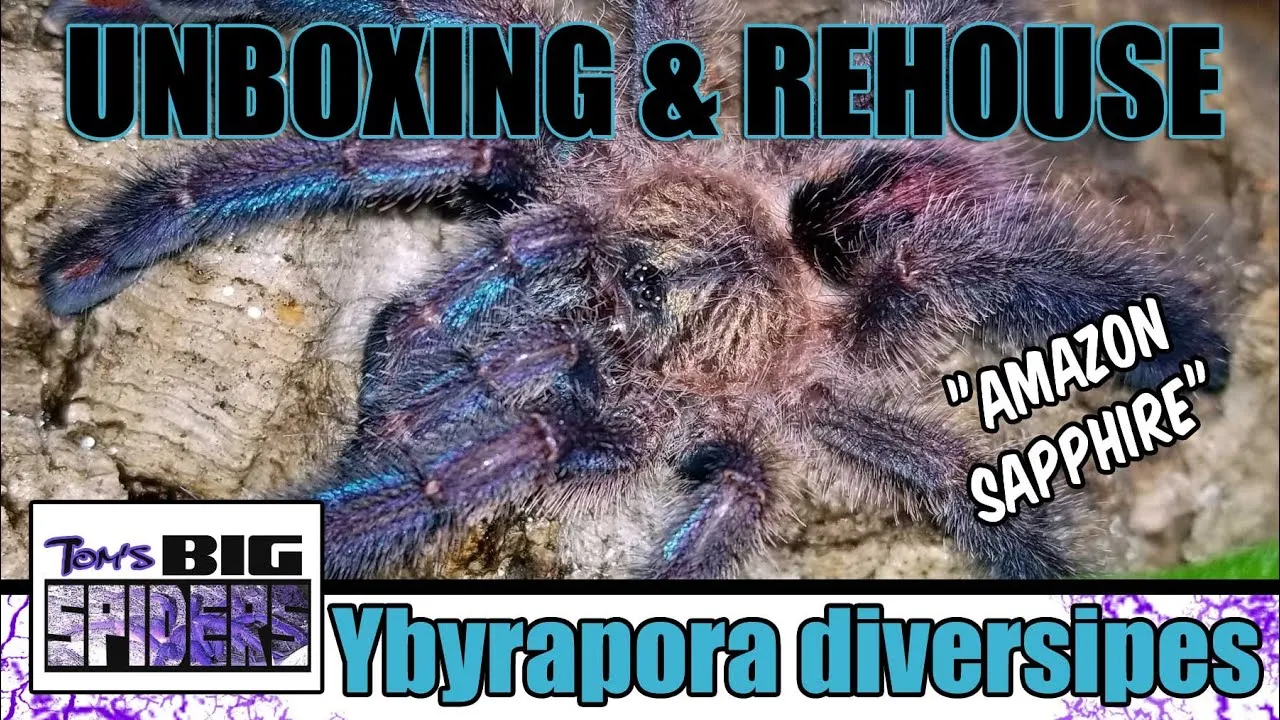
The Amazon Sapphire Tarantula, Cyriopagopus schioedtei, is a stunning and increasingly popular pet among arachnid enthusiasts. Their vibrant blue hues and relatively docile nature make them a fascinating addition to any collection. However, like all exotic pets, they require specific care to thrive. This care sheet provides the top 5 tips for successfully keeping and enjoying your Amazon Sapphire Tarantula, ensuring their health and longevity.
Choosing Your Amazon Sapphire Tarantula
The foundation of successful tarantula care begins with selecting a healthy specimen. A healthy tarantula is more likely to adapt well to its new environment and live a long, fulfilling life. Careful observation during the selection process can save you from future complications and ensure you bring home a thriving pet. Take your time and choose wisely; this initial step is crucial for the health of your tarantula.
Selecting a Healthy Tarantula
Checking for Activity and Appearance

A healthy Amazon Sapphire Tarantula should be alert and responsive. Observe its movements; it should be able to move around easily and not appear sluggish or uncoordinated. The tarantula’s body should be well-proportioned, and its legs should be intact. Look for a plump abdomen, which indicates it is well-fed. The fangs should appear clean and undamaged. Avoid tarantulas that appear listless, have missing limbs, or show any signs of injury. A healthy appearance is the first sign of a healthy tarantula. Examine the tarantula closely to make sure there are no signs of mites or other parasites.
Identifying Signs of Illness or Injury
Look for any signs of illness or injury. These may include a shrunken abdomen (indicating dehydration or starvation), oozing wounds, or unusual behaviors such as constant twitching or lethargy. Check the tarantula’s book lungs, located on the underside of the abdomen, for any signs of discoloration or damage. Any of these symptoms should be a cause for concern and a reason to avoid purchasing that particular tarantula. If you are unsure, consult with a reputable breeder or experienced tarantula keeper. Remember, prevention is always better than cure when it comes to tarantula care.
Setting Up the Perfect Habitat
Creating the right living environment is essential for your Amazon Sapphire Tarantula’s well-being. The enclosure should provide the necessary space, temperature, humidity, and enrichment for your tarantula to thrive. The enclosure should mimic their natural habitat as closely as possible, which can help reduce stress and promote natural behaviors. Setting up the perfect habitat is the second most important aspect of ensuring the health and longevity of your tarantula.
Choosing the Right Enclosure

Appropriate Enclosure Size
Choose an enclosure that is appropriately sized for your tarantula. A juvenile Amazon Sapphire Tarantula can start in a smaller enclosure, such as a deli cup or a small terrarium. As it grows, you will need to upgrade to a larger enclosure. A good rule of thumb is to provide a space that is roughly three times the tarantula’s leg span in width. The enclosure should be taller than the tarantula’s leg span to allow for substrate depth and some vertical climbing space. Avoid overcrowding, as this can stress your tarantula and make it difficult to maintain the proper environment.
Ventilation Requirements
Proper ventilation is critical for preventing mold and maintaining air quality. The enclosure should have adequate ventilation, typically in the form of cross-ventilation. This can be achieved with holes drilled or vents installed on opposite sides of the enclosure, near the top. Avoid enclosures with large gaps or openings, as this can compromise humidity levels. Make sure the enclosure is escape-proof, as tarantulas are adept at finding their way out.
Substrate and Decor

Creating a Naturalistic Environment
The substrate should be several inches deep to allow your tarantula to burrow. Suitable substrates include coconut fiber, peat moss, and a mix of these. Avoid substrates that are too dusty or contain harmful chemicals. Decorate the enclosure with cork bark, artificial plants, and other safe items to provide hiding places and enrichment. This will provide your tarantula with the opportunity to exhibit natural behaviors and will help reduce stress. The decor should be arranged in a way that the tarantula can easily move around and explore its environment.
Maintaining Humidity Levels
Amazon Sapphire Tarantulas thrive in a humid environment. Maintain humidity levels between 70% and 80%. You can achieve this by misting the enclosure regularly with dechlorinated water. Use a hygrometer to monitor the humidity levels. Over-misting can lead to mold, so ensure adequate ventilation. The substrate should be kept slightly damp but not waterlogged. In addition to misting, provide a shallow water dish for drinking and to help maintain humidity levels. This water dish should be cleaned and refilled regularly to prevent bacterial growth.
Feeding Your Sapphire Tarantula
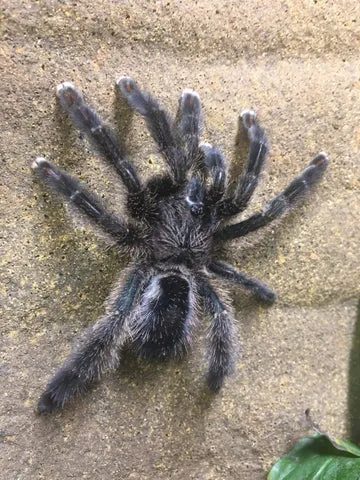
Proper nutrition is vital for your tarantula’s health and growth. The diet of an Amazon Sapphire Tarantula should consist mainly of insects. The type, size, and frequency of feeding should be appropriate for the tarantula’s age and size. Providing a well-balanced diet is an important aspect of responsible tarantula care, and it will ensure your tarantula lives a long and healthy life. Always make sure that prey items are properly sourced and safe for your tarantula to consume.
Appropriate Food Items
Feed your tarantula a variety of insects. Crickets, roaches, mealworms, and superworms are all suitable options. The size of the prey should be appropriate for the size of the tarantula. As a general rule, the prey should be no larger than the tarantula’s abdomen. Avoid feeding wild-caught insects, as they may carry parasites or pesticides. Always gut-load the insects before feeding them to your tarantula. This involves feeding the insects nutritious food for at least 24 hours before offering them to your tarantula. This ensures that your tarantula is getting the necessary vitamins and minerals.
Feeding Frequency and Portion Sizes
Juvenile tarantulas should be fed more frequently than adults. Feed juveniles every 2-3 days. Adults can be fed once or twice a week. Adjust the feeding frequency based on the tarantula’s appetite and abdomen size. A plump abdomen indicates that the tarantula is well-fed, while a shrunken abdomen may indicate that it is not eating enough. Remove any uneaten prey items within 24 hours to prevent them from stressing or harming your tarantula. Overfeeding can lead to health problems and may shorten the tarantula’s lifespan.
Providing Fresh Water

Always provide a shallow dish of fresh, clean water. This is essential for hydration. The water dish should be shallow enough to prevent the tarantula from drowning. Replace the water regularly, at least twice a week, to prevent bacterial growth. Alternatively, you can provide a water source by misting the enclosure walls and substrate. However, ensure that the enclosure has adequate ventilation to prevent mold and mildew buildup.
Handling and Safety
While Amazon Sapphire Tarantulas are generally considered to be less aggressive than some other species, it is important to handle them with care and respect. Always be aware of your tarantula’s behavior and recognize the signs of stress or agitation. Avoid handling your tarantula unnecessarily and prioritize your safety and the safety of the tarantula. Proper handling techniques are crucial for both the tarantula’s well-being and your own safety, as bites can be painful and cause local reactions.
Understanding Tarantula Behavior
Tarantulas are generally solitary creatures and may become stressed when handled. Learn to recognize the signs of stress, such as a defensive posture (raising the front legs, displaying fangs), fleeing, or flicking hairs. When the tarantula is ready to molt, it will become even more reclusive and not want to be disturbed. It is important to handle your tarantula only when necessary, such as for enclosure maintenance or health checks. Understanding their behavior helps you to provide them with an environment that is not stressful and that they feel safe in.
Safe Handling Practices

If you must handle your tarantula, do so with caution and gentleness. Approach the tarantula slowly and gently, avoiding sudden movements. Never force the tarantula to move or handle it if it appears stressed or agitated. Encourage the tarantula to walk onto your hand rather than picking it up. Handle the tarantula over a soft surface, such as a bed or a carpet, in case it falls. Wash your hands thoroughly before and after handling to avoid transferring any contaminants. When handling any tarantula, always remain calm and deliberate. A tarantula can sense your movements, so any sudden actions may startle it. Always remember that tarantulas are delicate creatures.
Recognizing Signs of Stress
Be aware of the signs of stress in your tarantula. These may include a defensive posture, flicking hairs (urticating hairs), or fleeing. If your tarantula displays any of these behaviors, it is best to leave it alone. Give your tarantula space, reduce any potential stressors, and ensure it has a secure hiding place. A stressed tarantula is more likely to bite or exhibit other defensive behaviors. Knowing how to identify when your tarantula is stressed will help keep both you and your pet safe and happy. Provide them with a comfortable and stress-free environment.
Essential Temperature and Humidity
Maintaining the correct temperature and humidity is critical for the health and well-being of your Amazon Sapphire Tarantula. These conditions influence their metabolism, molting, and overall activity levels. Monitoring these parameters will help ensure that your tarantula thrives in its enclosure. Using appropriate equipment and techniques is crucial for a healthy environment.
Optimal Temperature Range
The ideal temperature range for Amazon Sapphire Tarantulas is between 75-80°F (24-27°C). Use a thermometer to monitor the temperature in the enclosure. Avoid placing the enclosure in direct sunlight or near heat sources, as this can cause the temperature to fluctuate. If the temperature drops below the ideal range, you can use a heat mat placed on the side of the enclosure (not directly under the enclosure) to provide gentle warmth. Always ensure that the heat source is regulated and does not overheat the enclosure.
Monitoring Humidity Levels
Maintain humidity levels between 70-80%. You can monitor humidity using a hygrometer. To increase humidity, mist the enclosure regularly with dechlorinated water. The frequency of misting will depend on the ventilation and substrate used. Make sure the enclosure has adequate ventilation to prevent mold growth. Provide a shallow water dish for drinking and to help maintain humidity. Adjust the humidity as needed based on your tarantula’s molting cycle and overall health. A healthy humidity range will contribute to the overall health and well-being of your tarantula.
Shedding and Molting
Molting is a natural process in which tarantulas shed their exoskeleton to grow. Understanding the molting process and how to care for your tarantula during this time is essential. The molting process can be stressful, so creating an environment that supports them during this time is important to ensure the success of the molt and the continued well-being of your tarantula.
Understanding the Molting Process
During the molting process, the tarantula will create a new exoskeleton underneath its old one. It will become inactive, stop eating, and may appear lethargic. It will often flip onto its back during the molt and remain in this position while shedding its old exoskeleton. Molting frequency depends on the tarantula’s age, growth rate, and species. Juvenile tarantulas molt more frequently than adults. Before molting, the tarantula’s abdomen may appear darker or swollen.
What to Do During Molting
During molting, do not disturb the tarantula. Provide a quiet, humid environment. Do not feed the tarantula until its fangs have hardened after the molt (usually a week or two). After the molt, the tarantula may appear pale and vulnerable. Avoid handling the tarantula during this time. Remove any uneaten prey items from the enclosure. Ensure the enclosure is well-maintained and free from hazards. Providing a stress-free environment will allow your tarantula to molt without issues. After a successful molt, the tarantula will be more vibrant in color and ready to grow into a bigger, more beautiful specimen.
Caring for an Amazon Sapphire Tarantula can be a rewarding experience. By following these 5 tips, you can provide a healthy, enriching environment for your pet. Remember to always research and learn more about your tarantula’s specific needs. With proper care, your Amazon Sapphire Tarantula can thrive and bring you years of enjoyment. Enjoy the unique beauty of these amazing creatures and take pride in the care that you provide.