Tarantula Albopilosum Care Top 5 Tips
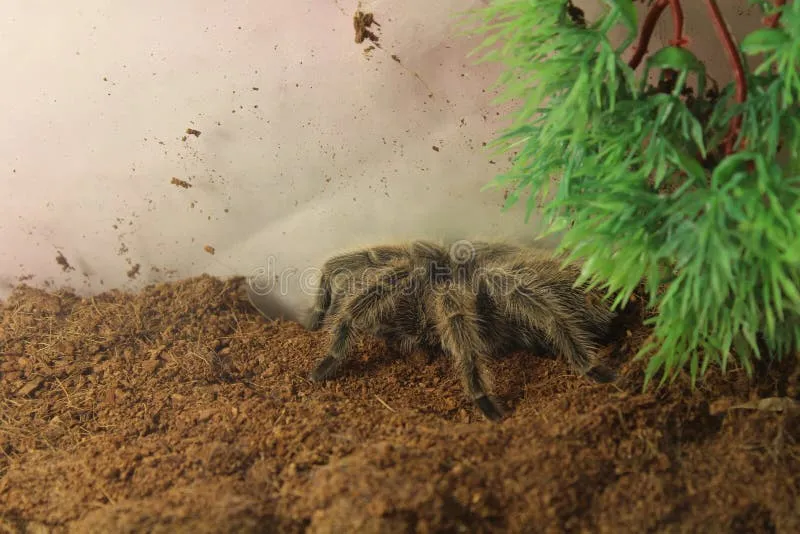
The Curly Hair Tarantula, scientifically known as Tliltocatl albopilosus (formerly Brachypelma albopilosum), is a popular choice for both novice and experienced tarantula keepers. Known for their docile nature and striking appearance, these tarantulas are relatively easy to care for, making them a great pet. However, like all animals, they have specific needs that must be met to ensure their health and happiness. This guide will provide you with the top 5 essential tips for caring for your Tarantula Albopilosum, ensuring they thrive in your care. From setting up their enclosure to understanding their behavior, we’ve got you covered.
Choosing the Right Enclosure
Selecting the proper enclosure is the first and most crucial step in providing a suitable habitat for your Tarantula Albopilosum. A well-designed enclosure not only ensures the tarantula’s safety but also allows you to maintain the necessary environmental conditions for its well-being. The enclosure should be escape-proof, properly ventilated, and provide enough space for the tarantula to move around and exhibit natural behaviors. Choosing the correct enclosure size is one of the most important steps, as an enclosure that’s too small will be stressful, while one that’s too large may make it difficult for the tarantula to find its food.
Size and Type of Enclosure

For a juvenile Tarantula Albopilosum, a small enclosure, such as a 5-gallon tank or a similar-sized plastic container, is usually sufficient. As the tarantula grows, you’ll need to upgrade to a larger enclosure. A general guideline is to provide a space that is at least three times the tarantula’s leg span in width. A 10-gallon tank or a larger equivalent can be suitable for adults. Glass or clear plastic enclosures are best, as they allow for easy viewing and monitoring of your tarantula. Make sure the enclosure has a secure lid to prevent escape. The enclosure should be well-ventilated to prevent the buildup of humidity and mold, and the lid needs to be escape-proof.
Substrate Selection
The substrate is the bedding material at the bottom of the enclosure, and it serves several important functions, including moisture retention, providing a surface for the tarantula to walk on, and allowing the tarantula to burrow if it chooses. A good substrate should be able to retain moisture to maintain the humidity levels required by the tarantula. The ideal substrate for a Tarantula Albopilosum is a mix of coconut fiber (coir), peat moss, and a bit of sphagnum moss. These materials are excellent at retaining moisture, resist mold growth, and provide a natural environment for your tarantula. Avoid using substrates that contain chemicals or are treated with pesticides.
Before placing the substrate in the enclosure, make sure it’s slightly damp but not soggy. The depth of the substrate should be enough to allow for burrowing, usually about 3-4 inches for juveniles and 4-6 inches for adults. Regular cleaning of the substrate is essential to maintain a healthy environment. Remove any uneaten food, molted exoskeletons, and other debris to prevent the growth of mold and bacteria. Spot-cleaning the substrate every couple of weeks and a full substrate change every few months, depending on the enclosure size and the activity of the tarantula.
Temperature and Humidity
Maintaining the correct temperature and humidity levels is critical for the health and well-being of your Tarantula Albopilosum. These tarantulas thrive in a warm and humid environment. The ideal temperature range is between 75°F and 85°F (24°C and 29°C). You can use a heat mat or a ceramic heat emitter placed on the side of the enclosure to maintain the desired temperature. Always monitor the temperature with a thermometer to make sure the temperature is within the appropriate range and doesn’t get too hot. Avoid placing the heat source directly under the enclosure to prevent overheating the substrate.
Humidity levels should be kept between 60% and 70%. To achieve this, mist the enclosure with dechlorinated water a few times a week, or whenever the substrate starts to dry out. You can use a hygrometer to measure the humidity levels in the enclosure. Ensure that there is proper ventilation to prevent the formation of mold and to ensure that the humidity levels do not exceed the ideal range. The enclosure should have good air circulation, especially when the humidity is high. Poor ventilation and excessive humidity can lead to health problems for your tarantula.
Feeding Your Tarantula Albopilosum

Providing the right diet is crucial for the growth and health of your Tarantula Albopilosum. These tarantulas are opportunistic feeders, meaning they will eat a variety of insects. Understanding their dietary needs, choosing the right food, and feeding them appropriately are essential aspects of their care. Overfeeding can lead to health problems, while underfeeding can stunt their growth and overall well-being. Always offer fresh, healthy, and appropriate food to your tarantula to ensure that they get the necessary nutrients to stay healthy.
What to Feed
The main food source for your Tarantula Albopilosum should consist of live insects. Crickets, mealworms, and dubia roaches are excellent choices. These insects are easily available, provide a good source of protein, and are relatively easy to care for. Before feeding, it’s important to gut-load the insects by feeding them nutritious foods, such as vegetables and fruits, a day or two before offering them to your tarantula. This ensures that the tarantula gets the maximum nutritional value from its meal. Avoid feeding your tarantula wild-caught insects, as they may contain parasites or pesticides that could harm your pet. Always make sure the insects are smaller than the tarantula’s body size.
Feeding Frequency
The feeding frequency depends on the age and size of your Tarantula Albopilosum. Spiderlings should be fed two to three times a week, while juveniles can be fed once or twice a week. Adult tarantulas typically only need to be fed once every one or two weeks. Adjust the feeding schedule based on the tarantula’s appetite and growth. If your tarantula is refusing food, it could be a sign that it is about to molt. If it is eating excessively, it could be a sign that it is not getting all the necessary nutrients. Remove any uneaten food within 24 hours to prevent the growth of mold and bacteria. Always keep fresh water available.
Watering and Hydration

Providing fresh water is essential for your tarantula’s health and well-being. Tarantulas need access to water for hydration. Although they can get some moisture from their food, they still require a constant source of fresh water. Ensure that the water is always clean and readily available. Using a water dish is the most effective way to provide your tarantula with water. A shallow water dish, such as a bottle cap or a small dish, is best. The dish should be shallow enough to prevent the tarantula from drowning. Always place the water dish in a secure location, away from the heat source.
For spiderlings and smaller tarantulas, you can use a cotton ball or a sponge soaked with water. Place the cotton ball or sponge in a shallow dish, ensuring that it’s always moist. Regularly change the water in the water dish to prevent the growth of bacteria. You can also mist the enclosure, particularly during molting, to help maintain humidity levels. When misting, avoid spraying the tarantula directly, and always use dechlorinated water. Regularly check the water dish and refill it as needed to ensure that your tarantula always has access to fresh, clean water.
Maintaining the Ideal Environment
Creating and maintaining the ideal environment for your Tarantula Albopilosum involves careful monitoring and consistent attention to several key factors. The goal is to replicate the tarantula’s natural habitat, providing it with the right temperature, humidity, ventilation, and cleanliness to ensure its health and happiness. Regular checks, adjustments, and maintenance are crucial for keeping your tarantula healthy. By following these guidelines, you can create a comfortable and safe environment for your tarantula.
Temperature and Humidity Levels
As mentioned earlier, maintaining the correct temperature and humidity is vital. Use a thermometer to monitor the temperature in the enclosure and make adjustments as necessary. If you’re using a heat source, make sure the temperature doesn’t exceed the recommended range. A heat mat or ceramic heat emitter, placed on the side of the enclosure, is usually best. Use a hygrometer to monitor the humidity levels. Misting the enclosure with dechlorinated water a few times a week is usually sufficient to maintain the humidity. Ensure that the ventilation is adequate to prevent the buildup of excessive moisture.
Ventilation and Airflow

Adequate ventilation is essential to prevent mold and mildew from forming in the enclosure, as well as to provide the necessary fresh air. Ensure that the enclosure has adequate airflow. This can be achieved through ventilation holes in the lid or sides of the enclosure. The placement of these holes is important. You want to ensure that there is proper air circulation without causing drafts. If the ventilation is poor, you may need to adjust the size or the number of the ventilation holes. You can also use a small fan to improve airflow, but make sure the fan does not blow directly on the tarantula.
Cleaning and Maintenance
Regular cleaning and maintenance are essential to maintain a healthy and hygienic environment for your tarantula. Spot-clean the enclosure regularly to remove any uneaten food, fecal matter, and other debris. A full substrate change should be done every few months or more often, depending on the size of the enclosure and the activity of the tarantula. When cleaning, remove the tarantula from the enclosure temporarily and place it in a secure container. Clean the enclosure thoroughly with warm water and a mild soap. Always rinse the enclosure thoroughly to remove any soap residue. Allow the enclosure to dry completely before returning the tarantula.
Understanding Tarantula Albopilosum Behavior
Understanding the behavior of your Tarantula Albopilosum is crucial for its well-being. These tarantulas are generally docile and easy to care for, but they still have specific behaviors that you should be aware of. Knowing these behaviors can help you provide the right environment and care. Recognizing changes in behavior can also help you identify potential health problems. By observing your tarantula, you can better understand its needs and ensure that it lives a long and healthy life.
Molting Process

Molting is a natural process where tarantulas shed their exoskeletons to grow. It’s a sign of a healthy tarantula, but it can be a stressful time. During molting, the tarantula will usually stop eating and may appear lethargic. They will often create a web mat or lay on their backs. Avoid disturbing the tarantula during molting. After molting, the tarantula’s new exoskeleton will be soft and vulnerable. It will take a few days for the exoskeleton to harden. Do not feed the tarantula immediately after molting, as its fangs won’t be able to break down the food. Wait about a week before feeding it.
Handling Your Tarantula
While Tarantula Albopilosums are generally docile, it’s important to handle them with care and avoid unnecessary handling. Handling can stress the tarantula. If you must handle your tarantula, do so gently and slowly. Always support the tarantula’s body to prevent it from falling. Avoid handling it when it is about to molt, as it will be especially vulnerable. Always wash your hands before handling your tarantula. Tarantulas have delicate hairs that can irritate your skin.
If you’re bitten by a tarantula, it may cause localized pain and swelling, but it is not usually life-threatening. If you are bitten, clean the area with soap and water and monitor for any signs of infection. Avoid handling your tarantula if you have allergies or sensitivities to insects or arachnids. When handling a tarantula, always do so close to the ground to prevent it from falling. Keep your face away from the tarantula and avoid sudden movements that could startle the tarantula.
Recognizing Signs of Illness
Knowing how to recognize the signs of illness in your Tarantula Albopilosum is crucial to providing timely care. Changes in behavior or appearance can indicate that something is wrong. Look for signs such as loss of appetite, lethargy, unusual posture, or changes in color. If your tarantula stops eating for an extended period, it could be a sign of a problem. Lethargy, or a lack of activity, can also be a sign of illness or stress. If your tarantula’s abdomen becomes excessively small or wrinkled, it could be dehydrated or have other health problems. If you observe any of these signs, consult with a veterinarian or a knowledgeable tarantula keeper.
Common Health Issues

Tarantula Albopilosums are generally hardy creatures, but they can still be susceptible to certain health issues. Understanding these issues can help you take preventive measures and provide the necessary care. Respiratory infections can occur due to poor ventilation or excessive humidity. Symptoms include difficulty breathing and lethargy. Mites can infest the tarantula, which can cause irritation. If you see mites, you must treat the enclosure immediately. Parasites are less common, but they can still affect your tarantula. A veterinarian can help diagnose and treat these issues, so it is recommended to consult with a vet at the first sign of a problem.
By following these top 5 tips, you can create a thriving environment for your Tarantula Albopilosum. Remember that responsible pet ownership means providing the best possible care to ensure your tarantula is happy and healthy. Careful attention to detail and consistent monitoring are key to successful tarantula care.