What a Tarantula Bite Feels Like
Understanding what a tarantula bite feels like is crucial for anyone who may encounter these fascinating creatures. While tarantulas are venomous, their bites are rarely life-threatening to humans. However, the experience can still be unsettling and painful. The sensation is often described as similar to a bee sting, though the intensity can vary depending on factors such as the tarantula species, the amount of venom injected, and the individual’s sensitivity. Knowing the immediate and subsequent effects can help in managing the situation and understanding the necessary steps to take. This guide will explore the different aspects of a tarantula bite, helping you be prepared if you ever experience one.
Initial Sensation
The Puncture

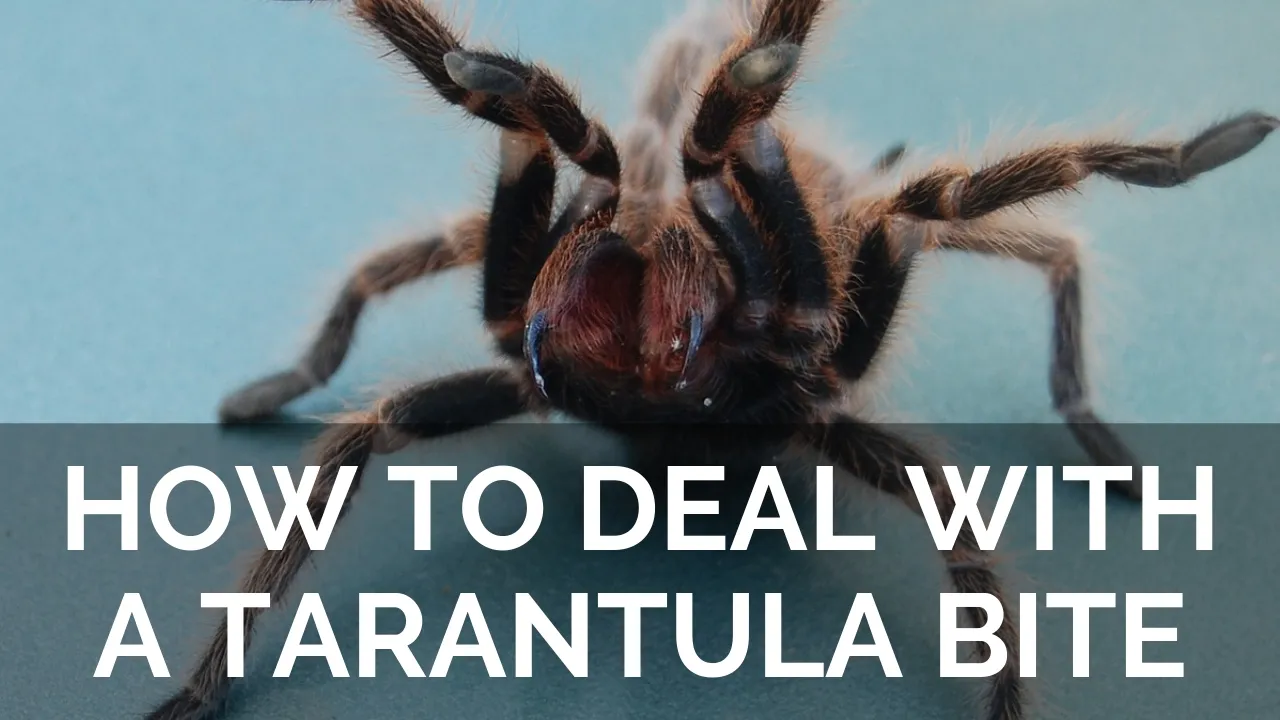
The initial sensation of a tarantula bite often begins with a sharp, stinging pain as the fangs puncture the skin. Tarantulas possess chelicerae, which are modified mouthparts that include fangs. These fangs are used to inject venom, and their size and sharpness contribute to the immediate sensation of the bite. The feeling is often sudden and localized, similar to a needle prick or a quick pinch. The intensity of the puncture can vary, but it generally serves as the first indication that a bite has occurred. The depth of the puncture depends on the size of the tarantula and the location on the body where the bite occurs. The sharp nature of the fangs is designed for quickly piercing the exoskeleton of insects, which is why the bite is felt so acutely.
The Venom’s Effect
Once the fangs have pierced the skin, the venom begins to take effect. Tarantula venom is primarily designed to subdue prey, such as insects and small animals. In humans, the venom’s impact is usually localized, leading to a range of effects. Common symptoms include localized pain, swelling, redness, and itching at the bite site. The venom contains various enzymes and toxins that contribute to these reactions. It’s also important to note that the amount of venom injected can vary. Some bites may result in minimal venom transfer, leading to milder symptoms, while others may involve a more substantial injection causing more noticeable effects. The reaction also depends on the individual’s sensitivity and any potential allergic response.
Pain Levels
The pain level associated with a tarantula bite can vary from mild to moderate. Many people describe the pain as being similar to a bee sting or a wasp sting, with a sharp, stinging sensation that subsides over time. The intensity of the pain depends on factors such as the species of tarantula, the size of the tarantula, the location of the bite, and the individual’s pain tolerance. Some bites may cause only a brief, sharp pain, while others may lead to a more prolonged ache and discomfort. The pain often peaks within the first hour after the bite and then gradually diminishes over the following hours or days. Over-the-counter pain relievers, such as ibuprofen or acetaminophen, can often help manage the pain.
What to Expect

After a tarantula bite, you can generally expect a localized reaction around the bite site. This typically includes pain, which can range from mild to moderate, as well as redness and swelling. Itching and warmth may also occur. In some cases, there might be a small amount of bleeding from the puncture wounds. Systemic symptoms, such as nausea, vomiting, or difficulty breathing, are very rare but could indicate an allergic reaction or a more severe response. It is crucial to monitor the bite site for any signs of infection, such as increasing redness, pus, or fever. These symptoms necessitate prompt medical attention. Generally, the symptoms should begin to improve within a few hours to a few days. Complete recovery is expected for most people who are bitten.
Comparing Tarantula Bite Pain
With Bee Stings
The pain from a tarantula bite is frequently compared to that of a bee sting. The immediate sensation of the puncture is often similar, with a sharp, stinging pain. However, the venom composition and the resulting effects can differ slightly. Bee stings typically inject a more potent venom, which can result in more intense pain and a stronger inflammatory response. Both bites often cause localized swelling, redness, and itching, but the duration and severity of these symptoms may vary. The experience of a bee sting and a tarantula bite can depend greatly on individual sensitivity. Some individuals may have a stronger reaction to one compared to the other. Both, however, share common characteristics in the initial painful sensation and the local inflammatory response.
With Mosquito Bites

Mosquito bites, unlike tarantula bites, are typically less painful and less intense. The initial sensation from a mosquito bite is often barely noticeable, but it quickly develops into an itchy, raised bump. This itching is due to the mosquito’s saliva, which contains anticoagulants and other substances that trigger an immune response. Tarantula bites, on the other hand, cause a sharp, stinging pain initially, and any subsequent itching is typically less severe and a symptom of the body’s inflammatory reaction to the venom. While both types of bites can cause localized discomfort, the nature of the pain and the overall reaction differ substantially. A mosquito bite is primarily an itchy nuisance, while a tarantula bite involves a more pronounced stinging sensation.
With Scorpion Stings
Comparing tarantula bites to scorpion stings reveals a considerable difference in the potential severity of the experience. Scorpion stings can be far more painful and dangerous than tarantula bites, depending on the species of scorpion. The venom of some scorpion species contains neurotoxins that can cause intense pain, muscle spasms, and potentially life-threatening complications. While tarantula bites usually cause localized pain and inflammation, scorpion stings can induce more widespread and severe symptoms. Therefore, a scorpion sting necessitates immediate medical attention, especially in the case of certain scorpion species. The experience of each varies greatly in terms of intensity and potential for systemic effects. The venom composition and its impact on the body differentiate a scorpion sting from a tarantula bite.
Recovery and Treatment
First Aid

Administering immediate first aid after a tarantula bite is essential for minimizing discomfort and supporting recovery. The initial steps involve washing the bite site with soap and water to prevent infection. Applying a cold compress can help reduce swelling and alleviate pain. Over-the-counter pain relievers, like ibuprofen or acetaminophen, can be used to manage the pain. It’s advisable to keep the affected area elevated, if possible, to reduce swelling. Monitoring the bite site for any signs of infection, such as increasing redness, pus, or fever, is crucial. If symptoms worsen or if systemic effects occur, seeking medical attention is very important. First aid focuses on symptom management and preventing secondary complications. A proactive response helps to ensure a smooth and quick recovery.
When to Seek Medical Attention
While tarantula bites are rarely life-threatening, there are situations where medical attention is necessary. If you experience severe symptoms, such as difficulty breathing, chest pain, or widespread allergic reactions, seek immediate medical care. Any signs of infection, like increasing redness, pus, or fever, require prompt treatment by a healthcare provider. Additionally, if the bite is from a tarantula species known to have a more potent venom, it is best to get professional medical advice. Individuals who are bitten near the face, neck, or eyes should also seek medical attention. It is always wise to err on the side of caution when dealing with any bite or sting, and seeking medical assistance when in doubt is the safest course of action.
Preventing Bites
Tarantula Handling Safety

Preventing tarantula bites involves practicing safety precautions, especially if you handle these spiders. If you own tarantulas or work with them, always use appropriate handling techniques. Avoid sudden movements that might startle the spider. Wear gloves and protective clothing to minimize direct contact with the tarantula and its fangs. Handle tarantulas in a secure environment, away from areas where they could easily escape and potentially bite someone. Always be aware of the tarantula’s behavior and body language. If the tarantula seems agitated, defensive, or shows signs of being about to strike, it is best to leave it alone. A calm and cautious approach is the key to safe handling. Proper training and knowledge about tarantula behavior are vital for those working with these creatures.
Habitat Safety
Safety around tarantula habitats is equally important for preventing bites. If you encounter tarantulas in the wild, it’s advisable to maintain a safe distance. Avoid attempting to handle or provoke them. When setting up tarantula enclosures, ensure the terrarium is properly secured and that it cannot be easily accessed by children or pets. Regularly inspect the enclosure for any potential escape routes. When cleaning the enclosure, wear appropriate protective gear and handle the tarantula with care. Provide enrichment items in the habitat so it is not aggressive. The goal is to create an environment where you do not need to handle the tarantula and minimize the chances of accidental contact. Vigilance and awareness are key to ensuring safety.