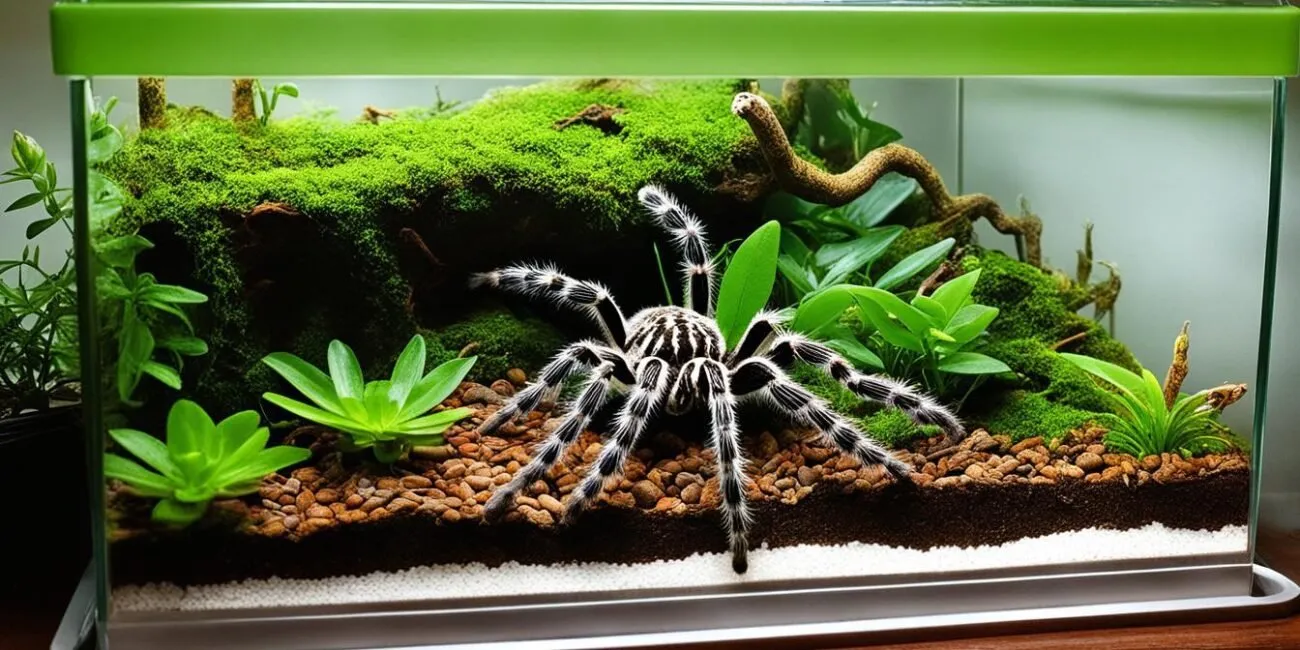
The Importance of a Proper Tarantula Breeding Tank Setup
Setting up a tarantula breeding tank is a critical step in ensuring the well-being and reproductive success of your arachnids. A well-designed tank replicates the tarantula’s natural habitat, providing the necessary conditions for healthy growth, molting, and, ultimately, successful breeding. Failing to provide the correct environment can lead to stress, illness, or even death for your tarantulas, and can significantly reduce the chances of successful mating and egg sac production. This guide will take you through the essential elements of a proper setup, allowing you to create a thriving environment for your tarantulas and increase your chances of witnessing the fascinating process of tarantula breeding.
Choosing the Right Tank Size
One of the most fundamental aspects of a tarantula breeding tank setup is selecting the appropriate size. The size of the tank directly impacts the tarantula’s ability to move, hunt, and feel secure. Too small, and the tarantula will be cramped and stressed; too large, and it might struggle to find food or feel safe. Always consider the species of tarantula and its eventual adult size when making your selection. A good rule of thumb is to provide a tank that is at least twice the tarantula’s leg span in width and length and at least one and a half times the tarantula’s leg span in height. This provides enough space for the tarantula to roam, create a burrow (if applicable), and feel comfortable.
Tank Size based on Tarantula Species
Different tarantula species have different space requirements. Terrestrial species, which live on the ground, typically do well in tanks that are wider than they are tall. Arboreal species, which live in trees, require taller tanks to accommodate their climbing habits. For example, a fully grown Chilean Rose Hair tarantula (a terrestrial species) would thrive in a 10-gallon tank, while an arboreal species like the Pinktoe tarantula would benefit from a taller tank of similar volume. Research the specific needs of your tarantula species to determine the ideal tank size. Consider the adult size of the tarantula because juveniles require less space than adults.
Factors Influencing Tank Size Selection
Beyond the species, several other factors can influence your tank size choice. The tarantula’s age is a critical consideration, as juveniles do not need as much space as adults. The tank size should be increased as the tarantula grows. Additionally, the size and number of decorations and hiding places you plan to include will also impact the available space. A tank that is overcrowded with decorations, even if of an appropriate size, can make the tarantula feel exposed and stressed. When in doubt, it’s always better to err on the side of a slightly larger tank, as it provides more room for the tarantula to move and thrive.
Substrate Selection for Your Tarantula
The substrate is the layer of material that covers the bottom of your tarantula’s tank, and it serves several vital functions. It provides a surface for the tarantula to walk on, acts as a moisture reservoir to maintain humidity, and allows burrowing species to create their homes. The choice of substrate is crucial for the tarantula’s health and well-being, so it’s important to select the right type for your specific species. Incorrect substrate can lead to a host of problems, from mold growth to difficulty molting.
Ideal Substrate Types for Tarantula Breeding

Several substrate options are suitable for tarantulas, each with its advantages. Coconut fiber (coco coir) is a popular choice, as it holds moisture well, resists mold, and is readily available. Sphagnum moss can be added to the coco coir to boost humidity. A mixture of peat moss and vermiculite is also a good option, offering excellent moisture retention and a natural appearance. For arid species, a mix of sand and topsoil is preferable. Whatever substrate you choose, make sure it’s free of pesticides or chemicals that could harm your tarantula. You can use premixes, but be sure to research them before use.
Substrate Depth and Humidity Control
The depth of the substrate is also an important consideration. Terrestrial burrowing species need a deep layer of substrate to dig their burrows, often 6-8 inches or more. Arboreal species may require a shallower layer, but it should still be sufficient to absorb moisture and allow the tarantula to grip. Monitor the humidity levels in your tank using a hygrometer, and adjust the substrate and ventilation as needed. Mist the tank with water regularly to maintain optimal humidity, but avoid over-saturating the substrate, as this can lead to mold. Be sure to change the substrate every few months or when it becomes soiled or moldy, to maintain a healthy environment.
Providing Adequate Ventilation
Proper ventilation is absolutely crucial for the health of your tarantula and is frequently overlooked. Ventilation prevents the buildup of excess humidity, which can lead to mold growth, fungal infections, and other respiratory problems. It also helps to regulate the temperature inside the tank, preventing overheating. While you want to maintain a certain level of humidity, stagnant air can be very dangerous for your tarantula. Proper ventilation ensures the air in the enclosure is fresh and healthy for your pet.
Why Ventilation Matters

Poor ventilation can have several detrimental effects. High humidity combined with poor air circulation creates an ideal environment for mold and bacteria to thrive. This can lead to respiratory infections and other health issues for your tarantula. Insufficient ventilation can also lead to a buildup of ammonia from waste, which can be toxic. Good ventilation also helps regulate the temperature, preventing the tank from becoming too hot or too cold, especially if a heat source is used. A well-ventilated tank mirrors the tarantula’s natural environment, ensuring the health and well-being of your pet.
Ventilation Methods
Most tarantula enclosures come with ventilation holes, usually in the top or sides. Ensure these holes are sufficient in size and number for the tank. You can increase ventilation by adding more holes or by modifying the existing ones, but take care to ensure the holes are small enough that the tarantula cannot escape. If you are using a screen top, ensure it is well-secured. For tanks with limited ventilation, you might consider adding a small computer fan to increase airflow, but be careful not to create excessive drafts. The key is to achieve a balance between adequate ventilation and maintaining the required humidity levels. Monitor the tank and adjust the ventilation as necessary to provide a healthy environment.
Creating a Suitable Environment
Beyond the tank size, substrate, and ventilation, creating a suitable environment for your tarantula involves carefully controlling temperature, humidity, and providing appropriate hiding and climbing structures. These factors work together to replicate the tarantula’s natural habitat and to provide the conditions necessary for healthy growth and successful breeding. By paying attention to these details, you will enhance the well-being of your tarantula.
Temperature and Humidity Requirements

Tarantulas thrive within specific temperature and humidity ranges. Most species prefer temperatures between 75-85°F (24-29°C). Use a thermometer to monitor the temperature inside the tank. You may need a heat source, such as a heat mat or a ceramic heat emitter, to maintain the correct temperature, especially in cooler climates. Humidity requirements vary by species, but most tarantulas need a humidity level between 60-80%. Use a hygrometer to measure humidity. Mist the tank with water as needed to increase humidity, and ensure proper ventilation to prevent the humidity from getting too high. Be sure to research the ideal temperature and humidity levels for your specific species.
Essential Hiding and Climbing Structures
Tarantulas are naturally reclusive creatures and need hiding places to feel secure. Provide a hide, such as a piece of cork bark, a half-log, or a commercially available hide. The hide should be large enough for the tarantula to comfortably fit inside but not so large that it takes up too much space in the tank. For arboreal species, include climbing structures such as branches or artificial plants, to allow them to climb and explore. The presence of hiding places and climbing structures helps to reduce stress and allows the tarantula to feel safe in its environment. Consider the size of your tarantula when adding structures, providing enough space for them to move around.
Setting Up for Mating
Setting up the tank for mating involves creating an environment that encourages breeding behavior. This requires a good understanding of the tarantula species you are breeding. Be sure you are ready and prepared to breed before you even think of this step. This step, while exciting, can be challenging. Research the species-specific requirements. Remember that tarantulas are not social creatures and can sometimes view the opposite sex as prey. You should monitor the interaction closely to avoid any harm to either spider.
Preparing the Tank for Mating

Before introducing a male and female tarantula, make sure that both are well-fed and in good health. In the days leading up to introduction, ensure the tank is clean and well-maintained. Provide fresh water and a stable temperature and humidity environment. The tank should be large enough to accommodate both tarantulas without overcrowding, but not so large that it is difficult for them to find each other. Depending on the species, you may need to adjust the environmental conditions to mimic the natural breeding season. Research the needs of your species to prepare the perfect environment.
Post-Mating Considerations
After mating, separate the male tarantula from the female to prevent him from being eaten. The female will eventually create an egg sac, which will need to be carefully monitored. Provide her with plenty of food and maintain a stable environment. If you decide to remove the egg sac, you will need to build a separate incubator to ensure the eggs hatch properly. Breeding tarantulas requires research, dedication, and a great deal of care. The success of breeding depends on proper setup, attention, and a good understanding of the specific needs of the species involved.
Maintaining and Monitoring the Setup
Once you have set up your tarantula breeding tank, consistent maintenance and monitoring are critical to maintaining a healthy and thriving environment. Regular cleaning, environmental monitoring, and making adjustments based on the tarantula’s behavior are all important for the long-term success of your setup. Keeping a close eye on the environment and the tarantulas allows you to make necessary changes to ensure your tarantulas remain healthy and happy. Proper setup is important for the long-term care.
Regular Cleaning and Maintenance

Regular cleaning is essential to maintain a healthy tank environment. Spot-clean the tank at least once a week, removing any uneaten food, molted exoskeletons, and feces. This helps to prevent the growth of mold and bacteria. Change the substrate entirely every few months or when it becomes soiled or appears moldy. Clean the water dish regularly to prevent the buildup of algae or bacteria. Avoid using harsh chemicals or cleaning products, as these can harm your tarantula. Use only mild soap and water, or a reptile-safe disinfectant if necessary. Maintaining a clean and well-kept tank environment is essential for the health and well-being of your tarantula.
Monitoring the Environment
Regularly monitor the temperature and humidity levels inside the tank using a thermometer and hygrometer. Make sure the levels are within the ideal range for your tarantula species. Check the ventilation regularly to ensure proper airflow. Also, observe the tarantula’s behavior. Is it eating well? Is it active and alert? Does it appear to be stressed? Look for any signs of illness or discomfort, such as loss of appetite, lethargy, or changes in behavior. By monitoring the environment and the tarantula’s behavior, you can quickly identify any problems and take corrective action.
Adjustments Based on Observed Behavior
Based on your observations, you may need to make adjustments to the tank setup. If the humidity is too low, increase the misting frequency or add more moisture-retaining substrate. If the temperature is too high or too low, adjust the heat source or relocate the tank. If the tarantula seems stressed, check the hiding places and ensure there are enough hiding spots. If the tarantula stops eating, check the temperature and humidity levels, and consult with a veterinarian if the problem persists. Be prepared to make changes to optimize your tarantula’s environment. By being attentive and responsive to your tarantula’s needs, you can create a thriving environment where it can live a long and healthy life.