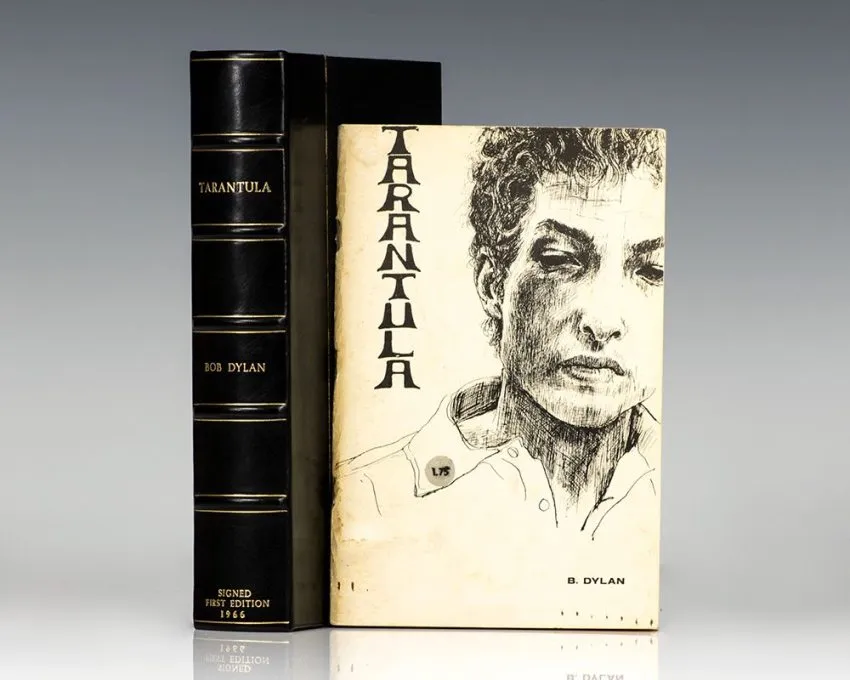
5 Facts about Tarantula by Bob Dylan
Bob Dylan, a name synonymous with musical genius, is also the author of a lesser-known, yet equally intriguing, literary work: Tarantula. This experimental prose poem, published in 1971, offers a unique glimpse into Dylan’s creative mind, diverging from his established musical prowess. Understanding Tarantula requires a journey into the depths of Dylan’s artistic vision, exploring its unconventional structure, thematic richness, and the cultural context in which it emerged. This article will delve into five key facts about Tarantula, illuminating its significance in the context of Dylan’s multifaceted career and its place in literary history. From its publication journey to its impact on readers, each fact provides valuable insight into the essence of this literary work. So, let’s unravel the mysteries of Tarantula and appreciate Dylan’s extraordinary talent.
Overview of Tarantula by Bob Dylan
Tarantula is a unique piece of literature characterized by its stream-of-consciousness style, making it a departure from traditional narrative structures. This work consists of a series of fragmented thoughts, observations, and poetic musings, offering an intimate look into Dylan’s mind. The book is filled with wordplay, surreal imagery, and philosophical reflections on life, art, and the cultural landscape of the 1960s. It doesn’t follow a linear plot, but rather presents a collage of ideas and experiences. Tarantula challenges the reader to engage actively with the text, piecing together meaning from the interwoven fragments. Its experimental nature makes it a challenging but rewarding read for those interested in Dylan’s broader artistic vision. This overview sets the stage for understanding the depth and complexities of this literary work.
What is Tarantula by Bob Dylan?

Tarantula, at its core, is a prose poem that defies easy categorization. It is not a novel, nor is it a collection of poems in the traditional sense. Instead, it’s a tapestry of Dylan’s thoughts, dreams, and observations, reflecting the cultural and artistic climate of the late 1960s. The book’s title itself is enigmatic, perhaps hinting at the web-like structure of the text, the complexities of the human mind, or the potentially dangerous beauty of creative expression. The language is raw, experimental, and often surreal, using wordplay and unconventional syntax. The work avoids conventional storytelling, opting instead for a collage of ideas, reflections, and dialogues. It presents a series of interconnected fragments that demand active engagement from the reader. Tarantula is a literary adventure, inviting readers to explore the depths of Dylan’s creative mind, and interpret his philosophical ideas.
Background and Context
Understanding Tarantula necessitates considering the cultural landscape in which it was created. The late 1960s was a period of significant social and artistic upheaval, with the Vietnam War, civil rights movements, and the rise of counterculture shaping societal norms. Dylan, a prominent figure of this era, was deeply influenced by these events. He moved away from traditional song structures and embraced a more experimental approach. The book’s creation coincided with a time of great personal and artistic transformation for Dylan. The book’s themes reflect the era’s questioning of established norms, exploration of individuality, and embrace of artistic freedom. The context of Dylan’s life, the social movements, and the overall mood of the decade, add depth and meaning to the fragmented prose.
Dylan’s Artistic Style
Dylan’s artistic style, both in music and literature, is characterized by his use of symbolism, wordplay, and a keen observation of the human condition. His songwriting often features complex narratives, poetic lyrics, and a focus on storytelling. In Tarantula, this style is amplified and channeled into a unique literary form. The experimental nature of the book is evident in its unconventional structure and language. He uses stream of consciousness as a means to convey thoughts and ideas unfiltered. He embraces surrealism, creating dreamlike imagery and abstract concepts, challenging readers to interpret. Dylan’s style is a synthesis of artistic approaches, reflecting his unique ability to blend literary traditions with modern themes and techniques. This style is also rooted in his background. He uses his unique style to communicate his observations of the world around him.
5 Key Facts

Fact 1 The Publication History
The publication history of Tarantula is as unique as the book itself. Written in the mid-1960s, the manuscript circulated among Dylan’s friends and associates for several years before its official release in 1971. The delay was partly due to Dylan’s reluctance to publish, but it also reflected the book’s experimental nature, which was initially difficult for publishers to classify. The book was published by the same publisher that produced his album covers, which further integrated his music and literary work. The history of its publication adds a layer of intrigue to the book, reflecting the evolving nature of Dylan’s artistic ambitions. The book’s release was met with a mixed response, adding to its notoriety and setting the stage for future discussions. The publication history is very important to the book’s legacy.
Fact 2 The Experimental Nature
Tarantula is an exceptional example of experimental literature. The book deliberately breaks from conventional narrative structures, embracing a stream-of-consciousness style. This technique allows for a fluid and unstructured flow of thoughts, mirroring the complexities of the human mind. The language is unconventional, filled with neologisms, wordplay, and surreal imagery. Dylan uses prose poetry to create a fragmented narrative. This experimental approach challenges readers, encouraging them to actively participate in the construction of meaning. The deliberate unconventionality is central to the book’s appeal, reflecting the artistic spirit of the late 1960s. It remains a challenging work, demonstrating Dylan’s commitment to pushing boundaries.
Fact 3 The Influence of Surrealism

Surrealism, a movement that championed the irrational and the subconscious, significantly impacted Tarantula. Dylan incorporated many surrealistic techniques, which allowed him to create dreamlike imagery and unexpected juxtapositions. The use of symbolism and non-linear narrative structures reflect the influence of surrealist principles. The book’s fragmented narrative style, the use of absurd images, and the exploration of the subconscious all resonate with the core tenets of surrealism. The influence of surrealism enhances the book’s themes, creating a sense of mystery and inviting the reader to delve into the depths of Dylan’s imagination. It contributes to the book’s overall impact, making it a significant example of surrealist-inspired literature.
Fact 4 The Stream of Consciousness
The stream-of-consciousness technique is essential to Tarantula. It allows Dylan to present unfiltered thoughts, memories, and perceptions, mirroring the mind’s erratic nature. The prose is not tightly structured, but rather moves fluidly between different ideas, images, and reflections. This style enables Dylan to capture the immediacy and spontaneity of thought, creating a rich, and often chaotic, internal world. The use of stream of consciousness enhances the book’s intimacy, allowing readers to connect with Dylan on a deeper level. It presents his reflections and insights. This technique provides a unique reading experience, requiring the reader to actively engage with the text to piece together its meaning. This technique makes the book one of a kind.
Fact 5 Critical Reception and Legacy
Tarantula received a mixed reception upon its release, with critics divided over its experimental style. Some praised its originality and insight into Dylan’s creative mind. Others found it challenging and difficult to comprehend. Despite the varied initial responses, the book has gained recognition over time. Dylan’s status as a major cultural figure ensured that Tarantula would be revisited and re-evaluated. The book is now recognized as a key work of literature and experimental writing. It remains a fascinating and challenging read, inviting readers to engage with Dylan’s mind and creative process. The book continues to be analyzed, proving its value and leaving a lasting impact on readers.
Impact and Influence

Tarantula’s influence extends beyond the realm of literature. It reflects the spirit of experimentation that was prevalent in the arts during the 1960s. The book’s impact can be seen in the work of other artists who adopted Dylan’s innovative approach. The book has inspired writers, musicians, and artists alike. By challenging conventional forms and embracing the power of the subconscious, Tarantula continues to influence contemporary creative expression. This book inspires creative minds. The book’s ability to challenge, provoke thought, and inspire remains significant.
Tarantula’s Lasting Impact
Tarantula’s lasting impact lies in its unique position within Dylan’s body of work and its influence on literary experimentation. It demonstrates Dylan’s multifaceted talent. His ability to cross artistic boundaries, and push the limits of his creativity. The book is a testament to his artistic vision. The book remains a unique reading experience. It continues to inspire readers and artists. Its experimental prose and unique perspective make it a lasting achievement.