Understanding Tarantulas Before You Start
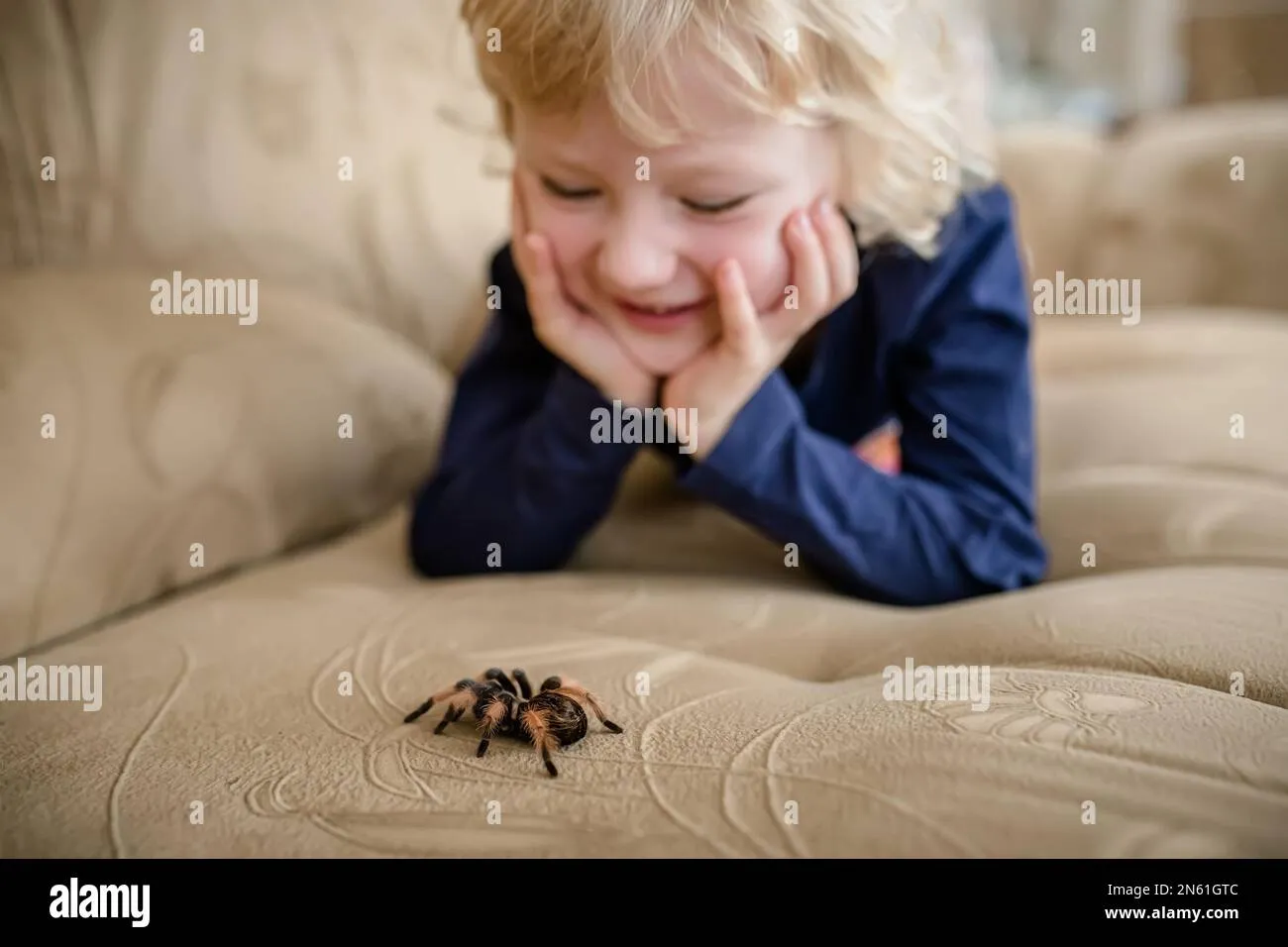
Embarking on the journey of tarantula ownership is an exciting endeavor, but it’s crucial to begin with a solid understanding of these fascinating creatures. Tarantulas, though often perceived as intimidating, are relatively low-maintenance pets, provided you meet their specific needs. They are arachnids, belonging to the Theraphosidae family, and are found in various habitats worldwide. Their behavior, lifespan, and care requirements vary by species, so doing your homework is vital before bringing one home. Remember that tarantulas are primarily for observation, not cuddling. Respect their space and be mindful of their instincts for a positive experience for both you and your eight-legged friend. Before you even think about getting a tarantula, it’s a good idea to do your homework, which is where this guide can help!
Tarantula Species Research
Not all tarantulas are created equal. Some species are more docile and suitable for beginners, while others are more defensive or require specific environmental conditions. Researching different species is the first step to responsible tarantula ownership. Understanding a species’ natural habitat, temperament, size, and care requirements will help you provide the best possible environment. This ensures not only the tarantula’s well-being but also your safety and enjoyment. Look for reputable sources, such as books, scientific articles, and experienced keepers, to gather accurate information. Different species have different needs, so knowing which one is best for your experience level is super important for successful pet ownership.
Popular Tarantula Species

Some tarantula species are particularly popular among beginners due to their docile nature and ease of care. The Chilean Rose Hair (Grammostola rosea) is renowned for its gentle temperament, making it a great choice for novice keepers. The Pinktoe Tarantula (Avicularia avicularia) is another option, known for its arboreal lifestyle and vibrant colors. The curly hair tarantula (Tliltocatl albopilosus) is a hardy species with a calm demeanor. Remember that, while these species are generally considered beginner-friendly, individual personalities can vary. Always observe and respect the individual tarantula’s behavior. Consider the size the tarantula will get, and what their specific needs are for the best results. Do thorough research to select a tarantula best suited for you.
Choosing the Right Tarantula for You
The best tarantula for you will depend on your experience level, lifestyle, and personal preferences. If you’re a beginner, prioritize species known for their calm temperaments and straightforward care requirements. Consider the size of the tarantula, as larger species will need larger enclosures. Research their dietary needs. Think about your living situation and whether you can provide the appropriate temperature and humidity levels. It is crucial to ensure the tarantula’s health and safety. Take the time to find the right species that matches your abilities. Don’t rush; a well-informed decision is key to a positive and rewarding experience with your pet tarantula.
Setting Up Your Tarantula’s Habitat
Creating a suitable habitat is essential for your tarantula’s health and well-being. The enclosure should mimic the tarantula’s natural environment, providing a safe space for it to thrive. The size and type of enclosure depend on the species and the tarantula’s size. Proper ventilation, appropriate substrate, and temperature and humidity control are all critical components of a successful habitat. Your goal should be to provide a comfortable, secure, and stimulating environment. Before introducing your tarantula to its new home, make sure the enclosure is fully prepared and the environment is stable. These are creatures of habit, and don’t like abrupt changes.
Enclosure Requirements

The enclosure should be appropriately sized for the tarantula’s species and size. The dimensions should allow the tarantula to move comfortably. The enclosure must have a secure lid to prevent escape. A clear enclosure allows for easy observation of your pet. Consider whether the species is terrestrial, arboreal, or fossorial, as this will affect the enclosure’s design. For terrestrial species, a wider enclosure is better, while arboreal species need more vertical space. The enclosure should be made of a material that is easy to clean and maintain, like glass or clear plastic. It is essential to ensure a comfortable and safe habitat.
Substrate and Furnishings
The substrate is the material on the bottom of the enclosure, and it serves as the tarantula’s flooring. The appropriate substrate depends on the species. Substrate provides a comfortable place for your tarantula to walk, hide, and burrow. It also helps to maintain humidity levels. Common substrate options include coconut fiber, peat moss, and vermiculite. Provide a water dish and hiding places, such as cork bark or artificial plants, to give the tarantula a sense of security. Make sure any furnishings are non-toxic and pose no threat to the tarantula. These are important for a healthy and happy tarantula. Make sure the hiding places are secure.
Temperature and Humidity
Maintaining the correct temperature and humidity levels is crucial for your tarantula’s health. Most tarantulas thrive in temperatures between 70-80°F (21-27°C). Use a thermometer to monitor the temperature inside the enclosure. Humidity levels vary depending on the species. Tropical species need higher humidity levels, while desert species prefer drier conditions. Use a hygrometer to measure humidity levels. Use a spray bottle to mist the enclosure. Ensure proper ventilation to prevent mold and mildew. Proper temperature and humidity will contribute significantly to the tarantula’s health and well-being. Monitor it, and check the requirements of your specific tarantula.
Feeding Your Tarantula

Feeding your tarantula is a straightforward process, but it is important to follow the correct practices. Tarantulas are carnivores and primarily eat insects. Provide a varied diet to ensure they get the necessary nutrients. Understanding their feeding habits and the proper methods will contribute to their overall health and happiness. Fresh water should always be available. Observing your tarantula’s eating behavior can also provide insights into its health and well-being. Overfeeding and underfeeding can lead to health issues. Make sure your tarantula is getting the right nutrition, and is staying healthy.
What Tarantulas Eat
The primary diet for tarantulas consists of insects, such as crickets, mealworms, and roaches. The size of the prey should be appropriate for the tarantula’s size; ideally, the prey should be no larger than the tarantula’s body. You can supplement the diet with occasional treats, such as pre-killed pinky mice for larger species. Always ensure the insects are from a reputable source and are free from pesticides or other harmful chemicals. Provide a variety of insects. Rotate different insects for better nutrition. Always monitor your tarantula’s response to food. This will help keep your pet happy and healthy.
Feeding Frequency and Methods
Feeding frequency depends on the tarantula’s age, size, and species. Spiderlings should be fed more often than adult tarantulas. Young tarantulas may need to be fed every other day, while adults can be fed once or twice a week. Remove any uneaten food within 24 hours to prevent mold growth. Drop the live insects into the enclosure. Be sure to monitor your pet’s eating habits, and look for any changes. Feed pre-killed prey to avoid any risk of injury to your tarantula. Be sure to provide the right amounts. Remember to be mindful of your tarantula’s unique needs.
Water and Hydration

Always provide fresh water for your tarantula. Use a shallow water dish to prevent the tarantula from drowning. Change the water regularly to keep it clean. For smaller tarantulas, you can use a cotton ball soaked with water, but it must be changed frequently. Some species absorb moisture from the air, but fresh water is still essential. Keep an eye on the water. Providing fresh water is a critical part of tarantula care.
Handling and Safety Tips
While many tarantulas are not aggressive, handling them is generally not recommended. Tarantulas can be easily injured, and their bites, while not usually life-threatening, can be painful. If you choose to handle your tarantula, do so with caution and respect. Always wash your hands before and after handling the tarantula. Remember, the best way to interact with your pet is to observe their behavior.
When to Handle
It is usually best to avoid handling your tarantula. Handling should only be considered if absolutely necessary, such as when moving the tarantula for cleaning or veterinary care. Always assess the tarantula’s behavior before attempting to handle it. Some species are more docile, while others are more defensive. Be observant of the tarantula’s mood and look for signs of stress, such as raised front legs or defensive postures. Avoid handling during molting or shortly after feeding, as they are more vulnerable. The less you handle the better.
Safe Handling Practices

If you must handle your tarantula, do so over a soft surface, such as a bed or couch, to minimize the risk of injury if it falls. Gently coax the tarantula onto your hand. Avoid sudden movements or loud noises. Keep your hand flat and offer a stable surface for the tarantula to walk on. Handle the tarantula briefly, as prolonged handling can stress it. Be calm and patient. Remember, handling is not essential to the care of a tarantula. Be as careful as possible if you have to handle your pet. Focus on respect for your pet’s needs.
Avoiding Bites and Falls
Bites are a possibility when handling a tarantula. Most tarantula bites are not medically serious, but they can be painful and may cause local reactions. Avoid handling if you are allergic to insect bites. Avoid sudden movements, as these can startle the tarantula. Never handle the tarantula if it seems agitated or defensive. If the tarantula starts to move its legs in a threatening way, stop handling immediately. A fall can be fatal. Always handle the tarantula close to the ground, or over a soft surface.
Common Tarantula Health Issues
Like all pets, tarantulas can be susceptible to health issues. Many issues can be prevented by providing appropriate care, including proper housing, feeding, and environmental conditions. Regularly monitor your tarantula’s behavior and appearance. By familiarizing yourself with the signs of illness, you can address potential problems. Consult a veterinarian if you notice anything unusual. Early detection and treatment are crucial for maintaining your tarantula’s health.
Recognizing and Preventing Illnesses
Some health issues include parasites, bacterial infections, and mites. Signs of illness include lethargy, loss of appetite, unusual behaviors, and physical abnormalities. Preventative measures include a clean enclosure, appropriate humidity and temperature, and a balanced diet. Quarantine new tarantulas. Always maintain a clean enclosure. Avoid overcrowding. Consult with a veterinarian familiar with tarantulas. Knowing how to recognize and prevent diseases is key to keeping your pet healthy.
Molting and What to Expect
Molting is a natural process where tarantulas shed their exoskeletons to grow. This is a vulnerable time. During molting, the tarantula will typically stop eating and may appear lethargic. The tarantula will lie on its back. Do not disturb the tarantula during this process. Provide a humid environment to help with the molting process. Once the tarantula has molted, its new exoskeleton will be soft. Give your pet a few days before offering food. Molting is a natural part of the growth process for tarantulas. Being aware of the process will help keep your pet happy.
Shedding and Skin
During the molting process, the tarantula will shed its old exoskeleton, including the lining of its gut and book lungs. After molting, the tarantula’s new exoskeleton will be soft and vulnerable. It is important to avoid disturbing the tarantula during this period. Do not handle it. Increase the humidity. Provide access to water. Leave the exoskeleton in the enclosure; the tarantula may eat it to replenish nutrients. When the new exoskeleton hardens, the tarantula can resume its normal activities. Be patient and give your pet the space they need.
Long-Term Tarantula Care

Caring for a tarantula is a long-term commitment, as they can live for many years. Consistent and proper care is essential to ensure your tarantula lives a long and healthy life. This includes regular habitat maintenance, ongoing monitoring of health, and providing for their evolving needs. By understanding the basics of tarantula care, you can create a rewarding experience. With the correct care, you can enjoy your pet. Remember to always research the particular species. Keep a close eye on your pet to keep them safe.
Regular Habitat Maintenance
Regularly clean and maintain the enclosure to keep it sanitary and healthy. Remove any uneaten food and waste promptly. Replace the substrate regularly, depending on the species and setup. Clean the water dish and refill it with fresh water. Inspect the enclosure for any signs of mold or pests. Always use appropriate cleaning solutions. Schedule regular maintenance to keep the enclosure clean. Your tarantula will benefit. Proper maintenance will ensure a healthy habitat.
Monitoring Your Tarantula’s Health
Continuously monitor your tarantula for any signs of illness or distress. Pay attention to its eating habits, activity levels, and overall appearance. Be observant of any changes in behavior. Learn the basics of tarantula health to better help your pet. If you notice any unusual signs, consult a veterinarian. Regular health monitoring can help you identify any problems early on. Being proactive is critical to keeping your tarantula happy and healthy.
In conclusion, owning a tarantula can be a rewarding experience. By starting with the basics of care, and through ongoing research, you can create a safe and enriching environment. Respect your pet, and enjoy the unique companionship. Remember, every tarantula is unique. By following these guidelines and adapting to your tarantula’s individual needs, you can provide a fulfilling life. Embrace the journey, and enjoy the fascinating world of tarantula ownership.