Considering adding a tarantula to your family? These fascinating creatures can be rewarding pets, offering a unique perspective on the animal kingdom. However, successful tarantula ownership requires understanding their specific needs. This ultimate guide will cover everything you need to know about tarantula care, from habitat setup and feeding to handling and health, ensuring both you and your eight-legged friend thrive. Prepare to delve into the captivating world of tarantulas and learn how to provide the best possible care for these amazing animals.
What is a Tarantula
Tarantulas are large, hairy spiders belonging to the Theraphosidae family. They are found in various habitats around the world, primarily in tropical and subtropical regions. Unlike many other spiders, tarantulas are generally docile and not considered highly venomous to humans, although their bite can be painful. They possess fangs for injecting venom to subdue prey, but their primary defense mechanism is often the urticating hairs on their abdomen, which they flick towards perceived threats. These spiders are known for their impressive size, often reaching leg spans of several inches, and their diverse color patterns, making them captivating pets for many enthusiasts.
Tarantula Species
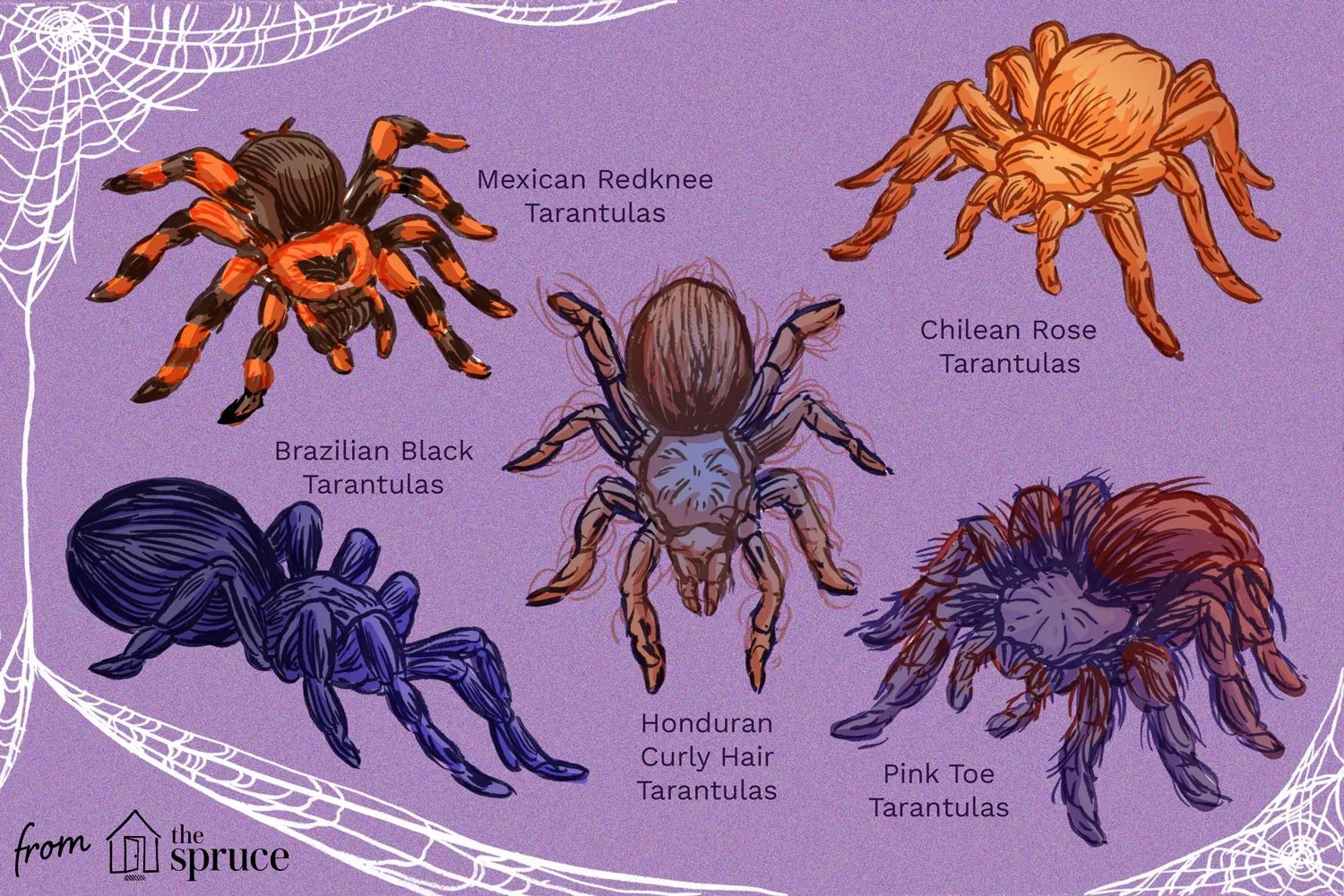
There are hundreds of tarantula species, each with its own unique characteristics and care requirements. Some are more docile and suitable for beginners, while others have more specific needs or may be more defensive. Researching different species is crucial before acquiring one. Consider factors such as temperament, size, lifespan, and environmental needs. Some popular choices include the Chilean Rose Hair tarantula, known for its gentle nature, and the Mexican Red Knee tarantula, famous for its striking coloration. Remember that the best species for you will depend on your experience level and the resources you can provide.
Popular Pet Tarantula Choices

When choosing a pet tarantula, several species stand out as popular choices among enthusiasts. The Chilean Rose Hair tarantula (Grammostola rosea) is often recommended for beginners due to its docile temperament and relatively easy care requirements. Mexican Red Knee tarantulas (Brachypelma hamorii) are also popular, recognized for their striking red and black coloration and manageable care needs. Other options include the Curly Hair tarantula (Tliltocatl albopilosus), known for its fuzzy appearance and friendly nature, and the Costa Rican Zebra tarantula (Aphonopelma seemanni), appreciated for its unique striped legs. Each species offers a different experience, so research their specific needs.
Tarantula Habitat Setup
Setting up the right habitat is crucial for your tarantula’s well-being. The enclosure should mimic their natural environment as closely as possible to ensure they feel safe and thrive. Proper setup includes choosing the right enclosure, selecting the appropriate substrate, and controlling temperature and humidity levels. A well-designed habitat provides the tarantula with a comfortable space to live, hunt, and hide, reducing stress and promoting healthy behavior. Taking the time to create a suitable environment is an essential part of responsible tarantula ownership.
Enclosure Size and Type
The size and type of enclosure depend on the tarantula species and its size. Generally, terrestrial tarantulas (those that live on the ground) need more floor space, while arboreal tarantulas (those that live in trees) require more height for climbing. A general guideline is to provide an enclosure that is at least twice the tarantula’s leg span in width and length, with enough height for burrowing or climbing. Glass terrariums, plastic enclosures, and specialized tarantula enclosures are all suitable options. Make sure the enclosure has a secure lid to prevent escape and adequate ventilation to maintain air quality.
Substrate Selection

The substrate is the bedding material that covers the bottom of the enclosure. It serves multiple purposes, including providing a surface for the tarantula to walk on, helping to maintain humidity, and allowing for burrowing (for terrestrial species). Suitable substrates include coconut fiber, peat moss, vermiculite, and a mix of these materials. The choice of substrate depends on the species’ needs; some prefer drier environments, while others require higher humidity. It’s essential to select a substrate that is non-toxic, free of pesticides, and allows for proper drainage to prevent mold and bacterial growth. The depth of the substrate should be sufficient for burrowing, typically several inches for terrestrial species.
Temperature and Humidity Control
Maintaining the correct temperature and humidity levels is vital for your tarantula’s health. Most species thrive in temperatures between 75°F and 85°F (24°C and 29°C). You can use a heat mat or a ceramic heat emitter to provide supplemental heat, but avoid placing the heat source directly under the enclosure. Humidity levels vary depending on the species, but generally, terrestrial tarantulas need lower humidity (50-70%), while arboreal species require higher humidity (70-80%). Use a hygrometer to monitor humidity and adjust it by misting the enclosure with water or providing a water dish. Proper ventilation is also crucial to prevent mold growth and maintain air quality.
Tarantula Feeding and Diet
Feeding your tarantula is a crucial part of their care. Understanding their dietary needs and providing a balanced diet is essential for their health and growth. Tarantulas are opportunistic predators, meaning they will eat whatever they can catch and subdue. The type of food, feeding frequency, and watering practices all play a role in ensuring your tarantula receives adequate nutrition and stays hydrated. A well-fed tarantula is generally a healthy tarantula, so paying close attention to their feeding habits is very important.
Types of Food

The primary food source for tarantulas in captivity is live insects. Crickets, mealworms, dubia roaches, and other insects are readily available and provide the necessary nutrients. The size of the prey should be appropriate for the tarantula’s size; a general rule is that the prey should be no larger than the tarantula’s body. You can also supplement their diet with occasional treats like pre-killed pinky mice or small lizards, but these should be offered sparingly. Always make sure the insects you feed your tarantula are healthy and pesticide-free, as these can be harmful.
Feeding Frequency
The feeding frequency depends on the tarantula’s age and species. Spiderlings (young tarantulas) need to be fed more often than adults, usually every other day or every day. Subadults can be fed every 3-5 days, while adult tarantulas can eat every 5-10 days or even less frequently. Observe your tarantula’s behavior to gauge its appetite. If it consistently refuses food, it may be preparing to molt or simply not hungry. Remove any uneaten prey within 24 hours to prevent stress on the tarantula and avoid potential injury from the prey. Adjust feeding frequency based on the tarantula’s condition, activity levels, and molting cycle.
Watering Your Tarantula
Providing a constant supply of fresh water is essential for tarantulas, even if they get some moisture from their food. Always have a shallow water dish in the enclosure, easily accessible to the tarantula. The water dish should be cleaned and refilled regularly to prevent bacterial growth. For spiderlings, you can use a small bottle cap or a cotton ball soaked in water to prevent drowning. In addition to the water dish, you may mist the enclosure occasionally to maintain humidity, especially for species that require higher humidity levels. Always use dechlorinated water or allow tap water to sit for 24 hours before use.
Tarantula Handling and Safety

Handling tarantulas is a controversial topic. Some owners enjoy handling their tarantulas, while others prefer to observe them. Tarantulas are generally docile but can bite if they feel threatened or startled. Understanding how to handle them safely and knowing when to avoid handling is crucial. Always prioritize the tarantula’s well-being and safety. If you choose to handle your tarantula, follow safe practices and always be prepared for the possibility of a defensive reaction. It’s important to weigh the benefits and risks before handling any tarantula, especially more defensive species.
Safe Handling Practices
If you decide to handle your tarantula, always do so with caution. Handle the tarantula over a soft surface, such as a bed or carpet, to minimize the risk of injury if it falls. Avoid sudden movements or loud noises that could startle the tarantula. Gently coax the tarantula onto your hand or let it walk onto your hand on its own, rather than grabbing it. Never handle a tarantula if it’s showing signs of stress or defensiveness, such as raising its front legs, exposing its fangs, or flicking urticating hairs. Wash your hands thoroughly before and after handling. Always supervise children when they are near the enclosure and never allow them to handle a tarantula unsupervised.
Recognizing Stress Signals
Tarantulas can display various signs of stress or defensiveness. Recognizing these signals is crucial for avoiding bites and ensuring your tarantula’s well-being. Defensive postures include raising the front legs, exposing the fangs, or flicking urticating hairs. If your tarantula is in this state, do not attempt to handle it. Other signs of stress include erratic behavior, refusing food, and hiding constantly. Overly defensive tarantulas may be stressed from improper environmental conditions, such as temperature or humidity. If you observe these behaviors, reassess the enclosure and make necessary adjustments to improve the tarantula’s environment and overall well-being. Always prioritize the animal’s comfort and safety.
Tarantula Health and Common Issues

Tarantulas are generally hardy animals, but they can still experience health issues. Common problems include issues related to molting, parasites, and diseases. Recognizing the signs of illness and knowing when to seek professional help is important for responsible tarantula ownership. Regular observation of your tarantula’s behavior, feeding habits, and physical condition can help you catch any problems early and provide appropriate care. Keeping the enclosure clean, providing a balanced diet, and maintaining proper environmental conditions are crucial for preventing health issues.
Shedding
Shedding, or molting, is a natural process where tarantulas shed their exoskeleton to grow. During this period, the tarantula will typically stop eating and may appear sluggish. The process can take several hours or even days. The tarantula will usually flip onto its back to shed. Do not disturb the tarantula during molting. After molting, the tarantula’s new exoskeleton will be soft and vulnerable, so avoid handling it until it hardens. Providing adequate humidity is crucial during molting to prevent the tarantula from getting stuck. Once the new exoskeleton hardens, the tarantula’s colors will often appear more vibrant.
Parasites and Diseases
Tarantulas can be susceptible to parasites and diseases, although these are less common in captive environments. Mites are a common parasite that can infest tarantulas; they appear as small, moving dots on the spider. You can treat mites by improving enclosure hygiene and sometimes using specific mite treatments, but consult a veterinarian specializing in exotic pets. Fungal infections can occur in environments with high humidity and poor ventilation. Symptoms include lesions or discoloration on the tarantula’s body. Bacterial infections can also occur, often linked to injury or poor environmental conditions. If you suspect your tarantula has a disease or parasite, consult an exotic animal veterinarian for diagnosis and treatment.
Tarantula Lifespan
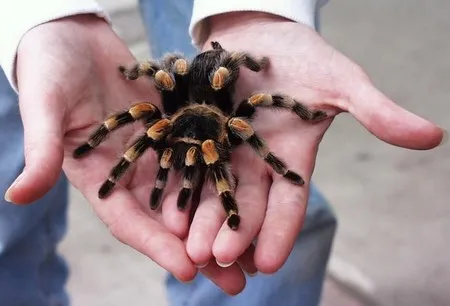
Tarantulas can live for a surprisingly long time, making them a long-term commitment. The lifespan varies greatly depending on the species and sex. Female tarantulas generally live much longer than males. Some species can live for over 20 years in captivity, while males typically live for only a few years after reaching maturity. Understanding the lifespan of the species you are considering is essential when making the decision to get a pet tarantula. Be prepared to provide care for your tarantula for many years, and consider its long-term needs before making a commitment.
Caring for a Molting Tarantula
Molting is a critical time for tarantulas, and providing the right environment during this period is important. Before molting, the tarantula may become less active and stop eating. The enclosure should have adequate humidity, and the temperature should be maintained at the appropriate level for the species. Avoid disturbing the tarantula during the molting process. After molting, the tarantula will be soft and vulnerable for several days. Do not attempt to handle it until its new exoskeleton has hardened. Ensure the tarantula has access to fresh water during this period. Remove any uneaten food from the enclosure, and monitor your tarantula for any signs of complications, such as being unable to successfully shed their old skin. Proper care during molting promotes healthy growth.
In conclusion, owning a tarantula can be a rewarding experience. By providing the right environment, proper feeding, and responsible handling, you can ensure your tarantula thrives. Remember to research the specific needs of the species you choose and always prioritize your pet’s health and well-being. With careful planning and dedicated care, you can enjoy the fascinating world of tarantulas for many years to come. Consider whether the responsibility of a tarantula fits your lifestyle, and if so, get ready for a unique and rewarding experience.