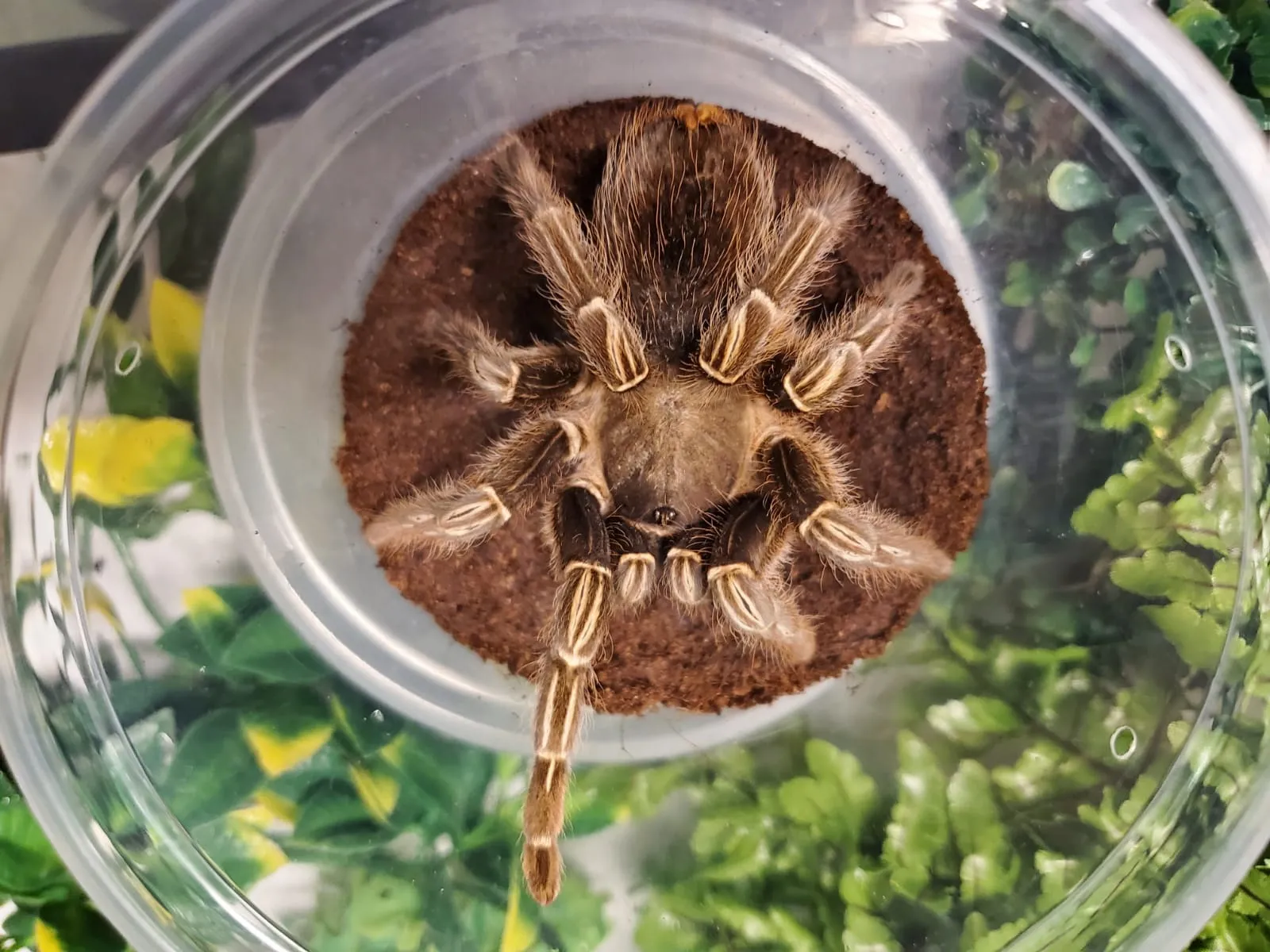
Tarantula Care Guide
Bringing a tarantula into your home can be an incredibly rewarding experience. These fascinating creatures offer a unique glimpse into the world of arachnids, providing a low-maintenance yet captivating pet. However, proper tarantula care is crucial to ensure your eight-legged friend thrives. This comprehensive guide will equip you with the essential knowledge needed to provide a safe, comfortable, and enriching environment for your tarantula, covering everything from habitat setup and feeding to safe handling and health considerations. Whether you are a seasoned arachnid enthusiast or a curious beginner, this guide provides practical advice and insights to help you become a responsible and knowledgeable tarantula owner.
Choosing the Right Tarantula
Before welcoming a tarantula into your home, selecting the right species is paramount. Different tarantula species have varying temperaments, care requirements, and sizes. Researching these factors is crucial for ensuring a good match between you and your future pet. Consider your experience level and the amount of time you can dedicate to their care. Some species are known for being more docile and easier to handle, making them ideal for beginners, while others may be more defensive or require specific environmental conditions. Thorough research will help you make an informed decision and create a positive experience for both you and your tarantula.
Researching Different Tarantula Species

Start by researching various tarantula species. Common beginner-friendly species include the Chilean Rose Hair tarantula, the Pinktoe tarantula, and the Curly Hair tarantula. These species are generally known for their docile temperaments and relatively straightforward care requirements. Look for information on their natural habitats, preferred diets, growth rates, and maximum sizes. Websites, books, and experienced tarantula keepers can provide valuable insights into the specific needs of each species. Understanding these details will help you prepare the appropriate habitat and provide the necessary care to ensure your tarantula’s well-being. Learning about their unique characteristics, such as venom potency and defense mechanisms, is essential for safe and responsible ownership.
Understanding Tarantula Temperament
Temperament is a key consideration when selecting a tarantula. Some species are known to be more docile and less likely to bite or exhibit defensive behaviors, while others are more skittish or prone to aggression. Observe how different species react to disturbances or handling. Some tarantulas may flee, while others may flick urticating hairs (a defense mechanism involving tiny, irritating hairs). Researching the temperament of a species will help you choose a tarantula that aligns with your expectations and experience. Also, remember that individual tarantulas within a species can vary in temperament. Always approach a tarantula with caution and respect, regardless of its species or perceived temperament.
Setting Up the Perfect Tarantula Habitat
Creating the right habitat is essential for your tarantula’s health and happiness. A well-designed enclosure should provide a safe, comfortable, and enriching environment that mimics their natural habitat as closely as possible. This involves selecting the right enclosure size and type, providing appropriate substrate and furnishings, and maintaining proper temperature and humidity levels. Proper habitat setup minimizes stress and allows your tarantula to thrive. It’s an investment in their overall well-being and ensures that you can enjoy your pet for years to come. Remember that a tarantula’s habitat is more than just a place to live; it’s their entire world.
Enclosure Size and Type

The size and type of enclosure you choose will depend on the species and size of your tarantula. A good rule of thumb is to provide an enclosure that is at least twice the tarantula’s leg span in width. The height should be sufficient to allow for several inches of substrate, depending on the species’ burrowing habits. Glass terrariums or plastic containers are commonly used, but make sure the enclosure has a secure, well-ventilated lid to prevent escapes. Consider front-opening enclosures for easier access and maintenance. As your tarantula grows, you may need to upgrade to a larger enclosure. Avoid enclosures that are too large, as this can make it difficult for your tarantula to find its food and can increase stress.
Substrate and Furnishings
The substrate is the bedding material at the bottom of the enclosure. It serves multiple purposes, including providing a comfortable surface for your tarantula to walk on, allowing it to burrow (for burrowing species), and helping to maintain humidity. Suitable substrate options include coco fiber, peat moss, and a mix of soil and vermiculite. Avoid substrates that are chemically treated or contain sharp particles. Furnishings such as cork bark, artificial plants, and hides provide hiding places and enrich the environment. Ensure that any decorations are non-toxic and securely placed to prevent accidents. The layout of the enclosure should mimic the tarantula’s natural habitat as closely as possible, providing both open space and areas for retreat.
Temperature and Humidity Control
Maintaining the correct temperature and humidity levels is crucial for your tarantula’s health. Most tarantulas thrive in temperatures between 75-85°F (24-29°C). Use a heat lamp or a heat mat placed on the side of the enclosure to maintain the desired temperature. Avoid placing the heat source directly on the bottom of the enclosure, as this can cause the substrate to dry out too quickly. Humidity requirements vary depending on the species. Use a hygrometer to monitor humidity levels. Mist the enclosure regularly with water to maintain the required humidity, but avoid oversaturating the substrate, which can lead to mold growth. Proper ventilation is also essential to prevent the buildup of stale air and the growth of harmful bacteria.
Feeding Your Tarantula

Feeding your tarantula appropriately is essential for its health and growth. Tarantulas are carnivores, so their diet should consist primarily of live insects. The type and size of insects you feed will depend on the size and species of your tarantula. Providing a varied diet and ensuring the insects are properly gut-loaded (fed nutritious food before being offered to the tarantula) will help ensure your tarantula receives all the necessary nutrients. It’s also important to manage the feeding frequency and water supply to maintain your tarantula’s health and well-being. Always remove any uneaten insects from the enclosure to prevent them from stressing or harming your tarantula.
What to Feed Tarantulas
The most common and readily available food sources for tarantulas include crickets, roaches, mealworms, and superworms. The size of the feeder insects should be appropriate for your tarantula’s size; a good guideline is to offer insects that are no larger than the tarantula’s body. Dust the insects with a calcium and vitamin supplement to ensure your tarantula receives essential nutrients. You can also offer an occasional pinky mouse to larger species, but this should be done sparingly. Always purchase feeder insects from a reputable source to minimize the risk of introducing parasites or diseases into your tarantula’s enclosure. Gut-loading the insects before feeding them to your tarantula will significantly increase their nutritional value.
Feeding Frequency
The frequency with which you feed your tarantula depends on its age and species. Spiderlings and juvenile tarantulas typically require more frequent feedings than adults. Young tarantulas can be fed every other day, while adult tarantulas may only need to be fed once or twice a week. Observe your tarantula’s abdomen; if it appears plump and healthy, you are likely feeding it enough. If the abdomen appears shrunken or thin, you may need to increase the feeding frequency. Avoid overfeeding, as this can lead to health problems. Also, remove uneaten food within 24 hours to maintain a clean enclosure.
Watering and Hydration

Providing fresh water is crucial for your tarantula’s hydration. Always have a shallow water dish available in the enclosure. The dish should be shallow enough to prevent your tarantula from drowning. Use a sponge or cotton balls in the water dish to prevent drowning, especially for smaller tarantulas. For species that prefer higher humidity, misting the enclosure regularly may be sufficient for hydration. Be sure to monitor the water source regularly and replace it with fresh water as needed. Providing a constant source of clean water is essential for the tarantula’s health and well-being. Be mindful of the substrate’s moisture levels; it should not be completely dry or saturated.
Handling Your Tarantula Safely
Handling your tarantula should be approached with caution and respect. Tarantulas are not typically aggressive, but they may bite or exhibit defensive behaviors if they feel threatened. Handling can also stress your tarantula, so it’s generally best to avoid it unless absolutely necessary. If you do need to handle your tarantula, understanding its behavior and using proper techniques can minimize the risk of bites or injury to both you and the spider. Always prioritize your tarantula’s well-being and be mindful of its natural instincts.
Understanding Tarantula Behavior
Before handling, observe your tarantula’s behavior. Signs of stress or defensiveness include raising its front legs, flicking urticating hairs, or presenting its fangs. If your tarantula exhibits any of these behaviors, it is best to leave it alone. Tarantulas are sensitive creatures, and handling them when they are stressed can lead to bites or injury. It’s best to handle a tarantula when it’s calm and appears comfortable. Pay attention to its body language, which will give you clues to its mood and intentions. Understanding their behavior will allow you to provide a safe and stress-free experience.
Proper Handling Techniques

If you decide to handle your tarantula, do so slowly and gently. Avoid sudden movements or loud noises. The most common and safest method is to gently coax the tarantula onto your hand, allowing it to walk onto your open palm. Avoid grabbing or squeezing the tarantula. Handle your tarantula over a soft surface, such as a bed or a carpet, to minimize the risk of injury if it falls. Do not handle your tarantula if you have just applied lotion, perfume, or other scented products to your hands. These products can be irritating or even toxic to the tarantula. Always wash your hands thoroughly before and after handling your tarantula.
Avoiding Bites and Drops
Even with careful handling, bites can occur. While most tarantula bites are not medically significant, they can be painful and cause localized swelling. If bitten, wash the area with soap and water and monitor for any signs of infection. Avoid dropping your tarantula; the impact can cause serious injuries. If the tarantula starts to fall, try to gently guide it onto a soft surface. Always supervise children when they are near tarantulas and educate them about safe handling practices. Respecting the tarantula’s space and understanding its behavior is key to avoiding bites and preventing injury.
Recognizing and Addressing Health Issues
Like all living creatures, tarantulas can experience health problems. Recognizing the signs of illness or injury is essential for providing proper care. Common issues include parasites, fungal infections, and problems with molting. Early detection and intervention can significantly improve your tarantula’s chances of recovery. If you notice anything unusual, such as changes in behavior, loss of appetite, or physical abnormalities, it’s important to consult with a veterinarian experienced in exotic animals. Proactive health management, including providing a clean and stress-free environment, will contribute to your tarantula’s well-being.
Common Tarantula Illnesses
Some common health issues include mites, which can be found on the tarantula’s body and cause irritation; fungal infections, which can occur due to excessive humidity or poor ventilation; and problems with molting, where the tarantula struggles to shed its exoskeleton. Other signs of illness can include lethargy, loss of appetite, and unusual postures. Regularly observe your tarantula and inspect its body for any signs of mites, fungal infections, or other abnormalities. Maintaining the correct temperature and humidity, providing a clean enclosure, and offering a balanced diet are important preventative measures.
Signs of a Healthy Tarantula
A healthy tarantula will exhibit several characteristics. They should be active and alert, with a good appetite. The abdomen should appear plump and well-fed. The legs should be strong and move freely. The exoskeleton should be smooth and shiny, and the tarantula should shed its skin regularly without any issues. A healthy tarantula also will show interest in food and actively explore its environment. Be familiar with your tarantula’s normal behavior so that you can quickly recognize any changes that might indicate a health problem. If you notice any signs of illness, it’s essential to take prompt action.
Seeking Veterinary Care
If you suspect your tarantula is ill or injured, consult a veterinarian experienced in exotic animals. Provide the vet with as much information as possible, including the species of your tarantula, its age, its enclosure setup, and any symptoms you have observed. The vet may perform a physical examination and order tests to diagnose the problem. Be prepared to provide details about the tarantula’s diet, recent molts, and any medications or supplements you are using. Early veterinary intervention can often save your tarantula’s life and improve its quality of life. When seeking professional help, look for a vet with experience in arachnid care to ensure your pet receives the best treatment.