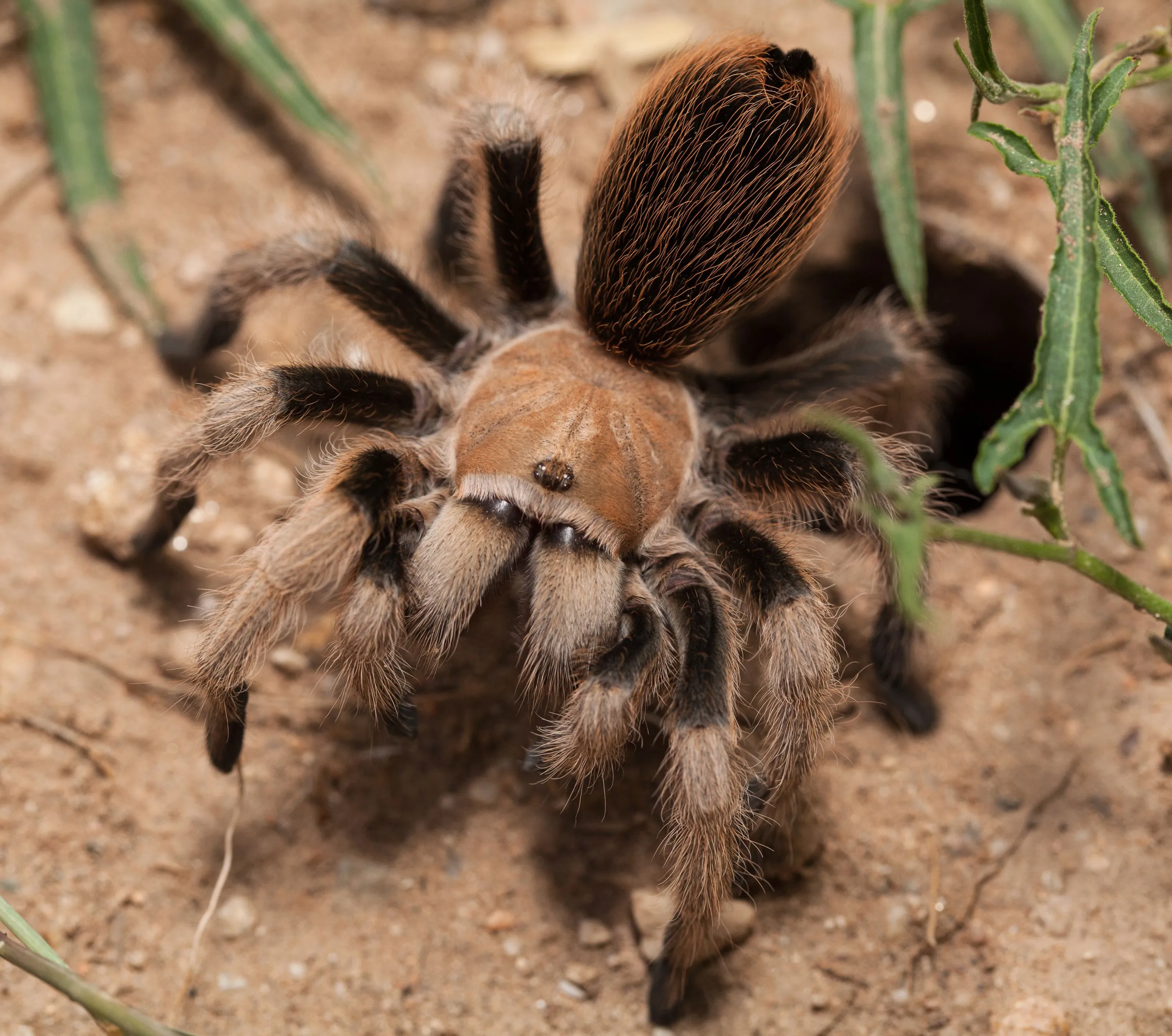
Bringing a tarantula into your home can be an exciting experience. These fascinating creatures, with their diverse appearances and relatively low-maintenance needs, have become increasingly popular as pets. However, successfully keeping a tarantula requires understanding its specific needs. This comprehensive care guide provides the top 7 tips to help you become a responsible and knowledgeable tarantula owner. From selecting the right species to creating the perfect habitat and understanding their behavior, this guide will equip you with the essential knowledge for a thriving tarantula pet.
Choosing the Right Common Pet Tarantula
Not all tarantulas are created equal when it comes to being pets. Some species are more docile and easier to care for than others, making them better choices for beginners. Researching different species is crucial to ensure a good match for your lifestyle and experience level. Consider factors like size, temperament, venom potency, and required environmental conditions.
Consider Your Lifestyle and Experience Level
Your lifestyle plays a significant role in choosing the right tarantula. If you’re a beginner, species like the Chilean Rose Hair or the Mexican Red Knee are often recommended due to their relatively docile nature and manageable care requirements. These tarantulas are generally less prone to defensive behaviors like biting or flicking urticating hairs. If you are an experienced keeper, you might consider more challenging species that demand higher humidity, specialized feeding, or more elaborate enclosure setups. Time availability is also a factor; some species are more active and require more frequent attention.
Research Different Tarantula Species

Before acquiring a tarantula, thorough research is a must. Learn about the specific needs of the species you’re considering. Understand their natural habitat, dietary preferences, and potential health issues. Online forums, reputable pet stores, and books dedicated to tarantula care are valuable resources. Be sure to investigate the tarantula’s temperament. While most tarantulas are not aggressive, some species are more likely to bite or exhibit defensive behaviors. Knowing this in advance helps in setting realistic expectations and preparing for safe interactions. Always check the legality of owning a particular tarantula species in your area.
Essential Tarantula Habitat Setup
Creating the right habitat is fundamental to your tarantula’s well-being. A well-designed enclosure replicates the tarantula’s natural environment, providing comfort, safety, and promoting healthy behaviors. It needs to be appropriately sized, with the right substrate, temperature, and humidity levels. Neglecting habitat requirements can lead to stress, health problems, and a shortened lifespan.
Enclosure Size and Type
The size of the enclosure should be based on the tarantula’s size and species. A good rule of thumb is to provide an enclosure that is at least twice the tarantula’s leg span in width and length and the height should be enough to allow the tarantula to stand upright and not be able to climb to the lid. The type of enclosure can vary; a clear glass or plastic terrarium is common for terrestrial species, while arboreal species require taller enclosures with vertical climbing space. Ensure the enclosure has a secure lid to prevent escapes and provide adequate ventilation to maintain air quality and prevent mold growth. Consider front-opening enclosures for easier access and viewing.
Substrate Selection for Your Tarantula

Substrate is the bedding material that lines the bottom of the enclosure and provides a comfortable surface for your tarantula. The right substrate helps to maintain humidity levels and allows the tarantula to burrow, which is a natural behavior for many species. Coconut fiber (coir), peat moss, and a mix of these are popular choices. Avoid using substrates with sharp edges or chemicals. The depth of the substrate depends on the species and the tarantula’s burrowing habits. Terrestrial species need at least a few inches of substrate to burrow, while arboreal species may require less.
Maintaining Proper Temperature and Humidity
Tarantulas are ectothermic, meaning they rely on their environment to regulate their body temperature. Maintaining the correct temperature and humidity levels is crucial for their health and well-being. The ideal temperature range varies by species, but typically falls between 75°F and 85°F (24°C and 29°C). Use a thermometer to monitor the temperature inside the enclosure. Humidity levels also vary by species; tropical species require higher humidity than arid species. Use a hygrometer to measure humidity and adjust ventilation and substrate moisture to maintain the appropriate levels. Avoid direct sunlight and drafts.
Feeding Your Common Pet Tarantula
Feeding is a significant aspect of tarantula care. Providing a balanced diet that meets the nutritional needs of your tarantula is essential for its health and longevity. The type, frequency, and method of feeding depend on the tarantula species and its life stage.
Choosing the Right Food

The most common food source for tarantulas is live insects. Crickets, mealworms, and roaches are popular choices, offering a good source of protein. The size of the insects should be appropriate for the tarantula; the general rule is that the prey should be no larger than the tarantula’s body. Dusting the insects with calcium and vitamin supplements can provide additional nutrients. For larger tarantulas, occasional treats such as small lizards or pinky mice can be offered, but should be used sparingly. Always remove any uneaten prey to prevent stress to the tarantula.
Feeding Frequency
Feeding frequency depends on the tarantula’s age and species. Young tarantulas (spiderlings) need to be fed more frequently, usually every other day or every few days. Adult tarantulas can be fed less frequently, often once a week or every other week. Observe your tarantula’s behavior; a well-fed tarantula will have a plump abdomen. Overfeeding can be as harmful as underfeeding; adjust the frequency and amount based on the tarantula’s condition. During molting, tarantulas will often refuse food; do not force them to eat.
Watering Your Tarantula
Fresh water is essential for all tarantulas. Provide a shallow water dish that is easily accessible and cannot be tipped over. The water should be kept clean and fresh. For smaller tarantulas, a water dish can be a bottle cap or a shallow dish with a sponge to prevent drowning. In addition to a water dish, many tarantula keepers mist the enclosure occasionally to provide humidity, especially for species that require higher humidity levels. Always use dechlorinated water.
Handling and Interaction

Tarantulas are generally not animals that enjoy being handled. They are best observed in their habitat. Handling can stress them out, potentially leading to defensive behaviors. It’s crucial to understand their behavior and practice safe handling techniques if necessary.
Safe Handling Techniques
If handling is unavoidable, do so with great care and respect for the tarantula’s safety. Always approach the tarantula slowly and gently. Use a soft brush or object to gently guide the tarantula onto your hand, if necessary. Avoid sudden movements or dropping the tarantula. Handle the tarantula close to the ground or a soft surface. If the tarantula displays defensive behaviors, such as rearing up or flicking urticating hairs, it’s best to avoid handling. Always wash your hands thoroughly before and after handling a tarantula, and avoid handling if you have any cuts or open wounds.
Understanding Tarantula Behavior
Understanding tarantula behavior can help you gauge their mood and react appropriately. Tarantulas can exhibit various defensive behaviors, including raising their front legs, flicking urticating hairs (in some species), or biting. Learn to recognize these behaviors to avoid getting bitten. The tarantula’s behavior can indicate its health; a tarantula that is eating well and moving actively is usually healthy. A tarantula that is lethargic, refuses food, or displays unusual behaviors should be observed for potential health issues. Familiarize yourself with the molting process.
Common Health Issues and Prevention

Tarantulas, like any pet, can experience health issues. Recognizing the signs of illness and taking preventive measures is crucial for their long-term health and well-being. Regular observation and proactive care can help prevent or mitigate potential problems.
Identifying and Treating Common Diseases
Some common health issues in tarantulas include mites, fungal infections, and injuries. Mites can be identified by their presence on the tarantula’s body or in the enclosure; treat mites by removing and cleaning the substrate and enclosure. Fungal infections often result from poor ventilation and high humidity; improve ventilation and treat the affected area with antifungal medication. Injuries can occur during molting or from falls; provide a safe environment to prevent injuries. If you notice unusual symptoms such as loss of appetite, lethargy, or unusual behavior, seek advice from a veterinarian specializing in exotic animals or consult online resources.
Preventative Measures for a Healthy Tarantula
Preventative care is critical in maintaining your tarantula’s health. Maintain a clean and appropriate habitat with the correct temperature and humidity levels. Provide a varied and balanced diet, and avoid overfeeding. Quarantine new tarantulas for a period before introducing them to other tarantulas to prevent the spread of diseases. Regularly inspect your tarantula for any signs of illness or injury, and be vigilant about hygiene in and around the enclosure. Always wash your hands before and after handling your tarantula or cleaning its enclosure.
Creating a Thriving Environment

Creating a stimulating and enriching environment is important for your tarantula’s well-being. While tarantulas are not particularly active, providing appropriate enrichment can reduce stress and promote natural behaviors.
Providing Enrichment
Enrichment can include providing appropriate substrate for burrowing (for terrestrial species), adding climbing structures, or offering hiding places. Use decorations like cork bark, artificial plants, or secure structures to provide cover and security. Changing the enclosure setup occasionally can stimulate the tarantula. Avoid overly complicated setups that may make cleaning difficult. Ensure any decorations are safe and non-toxic.
Long-Term Care and Commitment
Owning a tarantula is a long-term commitment. Tarantulas can live for many years, depending on the species and their care. Before acquiring a tarantula, consider the time, effort, and financial resources involved. Research the lifespan of the species you’re considering. Provide consistent care, including regular feeding, cleaning, and health checks. Be prepared to continue learning and adapting your care practices. A thriving tarantula is a testament to responsible pet ownership. If you ever can no longer care for your tarantula, find a responsible way to rehome it or seek help from a rescue organization.
In conclusion, successfully caring for a common pet tarantula involves careful selection, habitat setup, feeding, and understanding the unique needs of these fascinating creatures. By following these 7 tips, you can provide a thriving and enriching environment for your tarantula, ensuring its long-term health and well-being. Remember that research and ongoing learning are key to being a responsible and happy tarantula owner. Enjoy the unique experience of sharing your life with these amazing arachnids!