Tarantula Care Guide Overview
Caring for a tarantula can be a rewarding experience, but it requires a commitment to understanding their specific needs. These fascinating creatures, though often feared, are relatively low-maintenance pets when provided with the proper environment and care. This guide will walk you through the essential aspects of tarantula care, from choosing the right species and setting up their habitat to feeding, handling, and recognizing potential health issues. By following these guidelines, you can ensure your tarantula thrives and provide the best possible life for your eight-legged friend. Remember, responsible pet ownership is key to a healthy and happy tarantula.
Choosing the Right Tarantula
Before bringing a tarantula home, careful consideration should be given to the species you choose. Different species have varying temperaments, sizes, and care requirements. Some are more docile and suitable for beginners, while others are more defensive and require more experience. Researching different species is the first step in ensuring you can provide the appropriate care. Explore the various types available, their native habitats, and their specific needs to find a suitable match for your lifestyle and experience level. This initial research phase is critical for a successful and enjoyable experience.
Researching Different Species

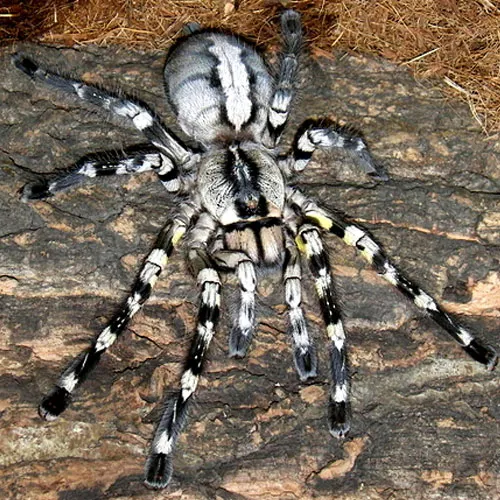
Delving into the specifics of different tarantula species is essential for making an informed decision. Look into their natural habitats, the climate they thrive in, and their typical behaviors. Some popular beginner species include the Chilean Rose Hair and the Pinktoe Tarantula, known for their relatively calm temperaments. More experienced keepers might consider species like the Gooty Sapphire Ornamental, which is known for its vibrant colors but also its defensive nature. Understanding the nuances of each species will help you create the ideal environment for your pet.
Considering Temperament and Size
Temperament and size are crucial factors to consider when selecting a tarantula. Some species are known for being more docile, making them easier to handle (though handling should always be approached with caution) and observe. Size also dictates the enclosure size you’ll need, as well as the amount of food required. A large, fast-growing species will require a larger enclosure and more frequent feedings compared to a smaller, slower-growing one. Take into account your experience level and the space you can dedicate to your tarantula when deciding on the ideal species for you.
Setting Up the Perfect Habitat
Creating the right habitat is paramount for your tarantula’s well-being. The enclosure should mimic the tarantula’s natural environment as closely as possible, providing a safe, comfortable, and stimulating space. This includes the right size, substrate, temperature, and humidity levels. Failing to create a suitable habitat can lead to stress, health problems, and a shorter lifespan for your pet. The environment plays a significant role in your tarantula’s overall health and happiness.
Enclosure Size and Type

The enclosure should be appropriately sized for the tarantula’s species and size. A juvenile tarantula will need a smaller enclosure than a fully grown adult. The enclosure type can vary, with options including glass terrariums, plastic tanks, and specialized arboreal enclosures for tree-dwelling species. Make sure the enclosure has a secure lid to prevent escapes, and that it provides adequate ventilation. The right size and type of enclosure is a fundamental aspect of tarantula care.
Substrate Selection
The substrate is the bedding material that lines the bottom of the enclosure and is essential for maintaining humidity and providing a comfortable environment. Good substrate choices include coconut fiber, peat moss, and a mixture of these materials. The substrate should be deep enough for burrowing species to create their burrows. Avoid substrates that are toxic or that can mold easily. Regular cleaning and replacement of the substrate are necessary to maintain a healthy environment, which help keep your tarantula safe and healthy.
Temperature and Humidity Control
Maintaining the correct temperature and humidity levels is crucial for your tarantula’s health. Use a thermometer and hygrometer to monitor the conditions within the enclosure. The ideal temperature typically ranges between 75-85°F (24-29°C), but this can vary slightly depending on the species. Humidity levels should also be carefully controlled, with many species needing a humidity level of 60-80%. Use a water dish and occasional misting to maintain humidity. Proper environmental control can help ensure proper molting and overall health.
Feeding Your Tarantula

Proper nutrition is critical for your tarantula’s health and growth. Tarantulas are carnivorous and primarily eat insects. The size and type of food should be appropriate for the size of the tarantula. Overfeeding can lead to health issues, while underfeeding can stunt growth. Providing a varied diet and understanding your tarantula’s specific needs are essential aspects of tarantula care.
Appropriate Food Types
The diet should consist primarily of live insects. Crickets, mealworms, roaches, and superworms are common choices. The size of the prey should be approximately the same size as the tarantula’s abdomen. Avoid feeding wild-caught insects, as they may carry parasites or pesticides. It’s also important to ensure the food is gut-loaded before feeding it to your tarantula; this means feeding the insects nutritious foods to enhance their nutritional value.
Feeding Frequency and Portion Size
The feeding frequency depends on the tarantula’s age and growth rate. Spiderlings need to be fed more frequently, usually every few days. As they mature, the feeding frequency can be reduced to once or twice a week. Remove any uneaten prey after 24 hours to prevent stress and mold. Overfeeding can lead to health problems, such as obesity or difficulty molting. Adjust the portion size according to the tarantula’s appetite.
Watering and Hydration

Water is essential for tarantulas. Provide a shallow water dish with fresh, clean water at all times. The water dish should be shallow enough to prevent drowning, especially for smaller tarantulas. In addition to the water dish, you can mist the enclosure regularly to maintain humidity. The frequency of misting depends on the humidity requirements of the specific species. Proper hydration is crucial for molting and overall health.
Handling and Safety Precautions
While tarantulas are generally not aggressive, handling them should be approached with caution. Many tarantulas have defensive behaviors, such as biting or flicking urticating hairs. Handling should be kept to a minimum, and only if necessary. Understanding the potential risks and taking necessary precautions is essential for your safety and the well-being of the tarantula.
When to Handle
It is generally recommended to avoid handling your tarantula unless absolutely necessary. Reasons to handle your tarantula include cleaning the enclosure, moving the spider for veterinary care, or rarely, for a quick inspection. If you do choose to handle your tarantula, do so with extreme caution and always supervise. Overhandling can stress the tarantula and potentially lead to bites or the release of urticating hairs.
Safe Handling Techniques

If you must handle your tarantula, use a gentle approach. Never grab or squeeze the tarantula. Instead, gently coax it onto your hand. Always handle the tarantula over a soft surface, such as a bed or couch, to minimize the risk of injury if it falls. Be aware of the tarantula’s behavior and signs of stress, such as raising its front legs or flicking hairs. If the tarantula shows signs of being agitated, gently place it back in its enclosure.
Recognizing and Preventing Escape
Tarantulas can be surprisingly quick, and escapes can happen if you’re not careful. Always make sure the enclosure lid is secure and fits properly. When you are working in the enclosure, be mindful of open doors or windows. If a tarantula escapes, try to remain calm. Most tarantulas will hide, and it is crucial to locate them as soon as possible. Check all possible hiding places and use a container to carefully capture the tarantula and return it to its enclosure. Prevention is key, so regularly inspect your enclosure and take all necessary precautions.
Tarantula Health and Common Issues
Like all pets, tarantulas can experience health problems. Knowing the signs of illness or injury is crucial for providing appropriate care. Identifying issues early on can increase the chances of successful treatment. Regular observation and a proactive approach to health care will contribute to the longevity and well-being of your tarantula.
Identifying and Treating Diseases

Tarantulas can be affected by various diseases and conditions. Some common issues include fungal infections, parasitic infestations, and bacterial infections. Symptoms include lethargy, loss of appetite, discoloration, and unusual behavior. If you suspect your tarantula is sick, consult a veterinarian experienced in exotic animals. Treatment options vary depending on the condition, but may include medication, changes to the enclosure, or other supportive care.
Understanding Molting Process
Molting is a natural process where tarantulas shed their exoskeleton to grow. During molting, the tarantula is particularly vulnerable. Recognize signs of molting, such as the tarantula becoming lethargic, refusing food, and developing a dark, shiny appearance. Provide a moist environment and avoid disturbing the tarantula during this period. After molting, the tarantula’s fangs and body will be soft for a few days until the exoskeleton hardens again. Do not feed the tarantula until its fangs have hardened.
Recognizing Signs of Stress
Tarantulas can show signs of stress, which may indicate a problem with their environment or health. Common signs of stress include refusing food, being overly defensive, or sitting in a defensive posture for long periods. Other signs might include a lack of activity, hiding constantly, or rapid movements. If you observe any of these signs, review the enclosure conditions, and consult with an expert. Addressing stress factors promptly can significantly improve the tarantula’s health and well-being.
Long-Term Tarantula Care
Long-term care involves consistent practices to maintain a healthy and thriving tarantula. This includes regular maintenance of the enclosure, thorough record-keeping, and a continued effort to stay informed about the latest advances in tarantula care. Consistent care and attention will help ensure your tarantula lives a long, healthy, and fulfilling life.
Regular Enclosure Maintenance
Regular enclosure maintenance is essential for a healthy tarantula. This involves removing uneaten food, spot-cleaning the substrate to remove waste, and replacing the substrate periodically. The frequency of cleaning depends on the species, the size of the enclosure, and the amount of waste produced. You should also clean the water dish and any decorations in the enclosure regularly. Regular maintenance is necessary to prevent the buildup of bacteria, fungi, and other harmful organisms.
Record Keeping
Keeping records of your tarantula’s feeding habits, molting dates, and any health issues can be helpful. This information can help you identify patterns, track growth, and monitor changes in behavior. Keep a logbook or use a digital tool to track this information. This will aid in recognizing potential problems early on and improve your ability to care for your pet. Detailed records will also be valuable if you need to consult with a veterinarian.
Where to Find More Information
There are many resources available to learn more about tarantula care. Reputable websites, books, and experienced keepers can provide valuable information. Join online forums or local tarantula clubs to connect with other keepers and ask questions. Before bringing home a tarantula, it is important to thoroughly research your chosen species and the best practices for caring for them. Staying informed will allow you to provide the best possible care for your pet and give you a better understanding of tarantula care.