Choosing Your Pet Tarantula
Bringing a tarantula into your home can be an incredibly rewarding experience. These fascinating creatures offer a unique perspective on the animal kingdom, and with proper care, they can thrive in captivity. Before you welcome a tarantula, understanding the basics of their care is essential. This guide will walk you through everything you need to know, from selecting the right species to setting up their habitat and ensuring their health. Remember, responsible pet ownership is crucial for the well-being of your tarantula, so take your time to learn and prepare before acquiring one of these amazing spiders.
Types of Tarantulas For Beginners
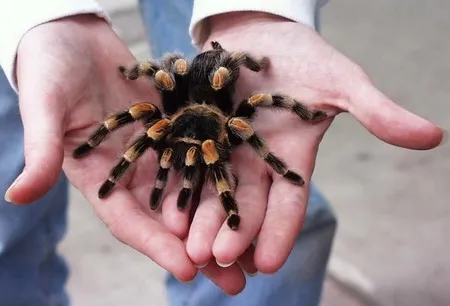
Not all tarantulas are created equal when it comes to ease of care for beginners. Some species are more docile, hardy, and less prone to stress than others. For those new to tarantula keeping, consider species like the Chilean Rose Hair (Grammostola rosea), the Mexican Red Knee (Brachypelma hamorii), or the Curly Hair Tarantula (Tliltocatl albopilosus). These species are known for their relatively calm temperaments, slower growth rates, and tolerance of minor environmental fluctuations. Researching each species’ specific needs, however, is always crucial before making a decision. These tarantulas are often readily available and can provide a wonderful introduction to the world of tarantula keeping.
Things to Consider Before Buying

Before purchasing a tarantula, several factors should be carefully considered. First, research the specific species you are interested in and understand its adult size, lifespan, and care requirements. Ensure you can provide the appropriate enclosure size, temperature, humidity, and feeding schedule. Also, consider your lifestyle and commitment level. Tarantulas can live for many years, some females even exceeding 20 years, so you must be prepared for a long-term commitment. Finally, find a reputable breeder or pet store that can provide healthy tarantulas and accurate information about their care. A healthy tarantula will have a plump abdomen, move with confidence, and show no signs of illness.
Setting Up Your Tarantula’s Habitat
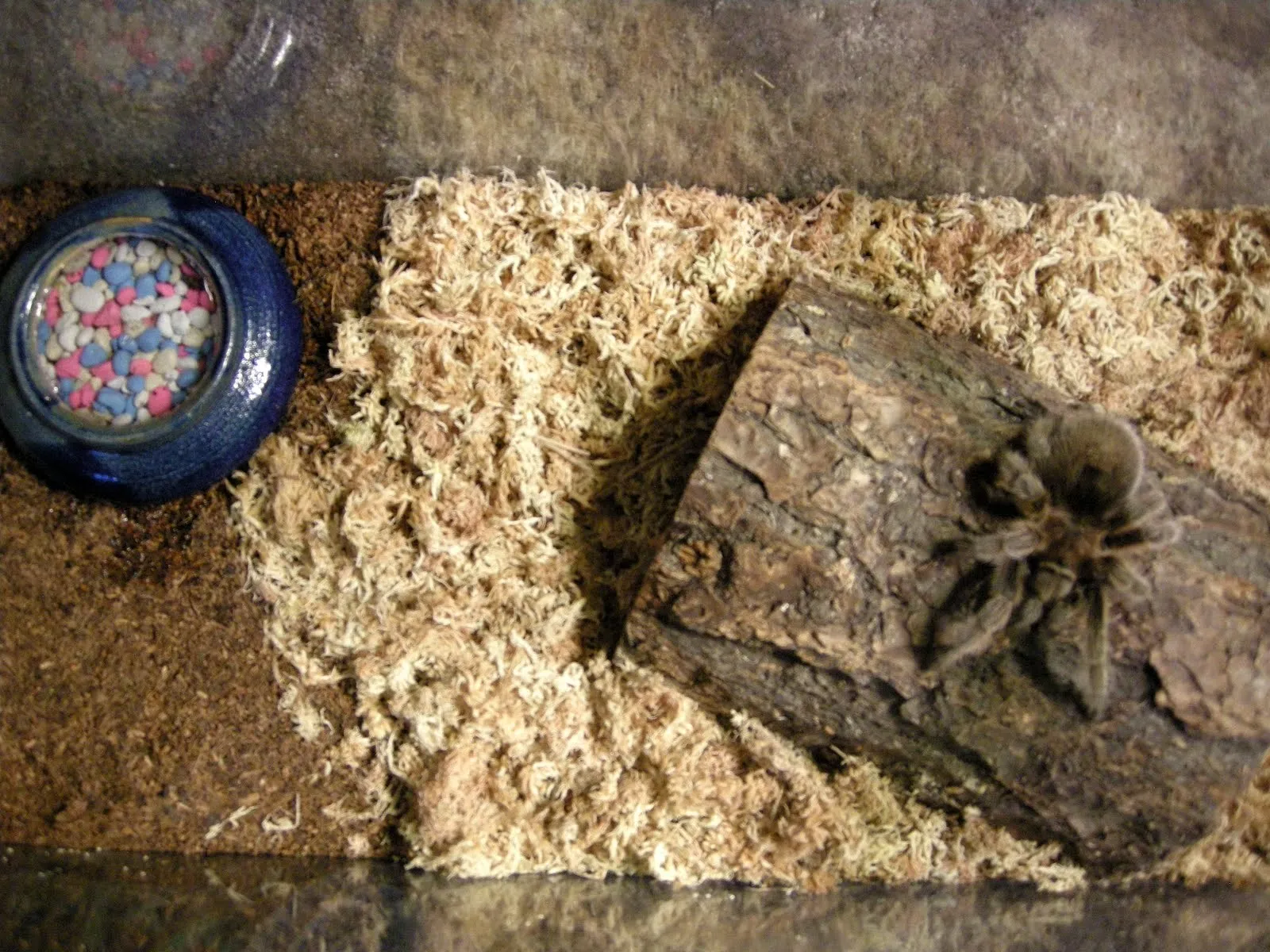
The habitat you provide is paramount to your tarantula’s well-being. A proper enclosure mimics the tarantula’s natural environment and offers security and comfort. The setup should be designed to facilitate their needs, including a place to hide, appropriate temperature and humidity levels, and easy access to food and water. Avoid unnecessary decorations that could pose a hazard. A well-designed habitat minimizes stress, promotes healthy molting, and allows you to observe your tarantula’s fascinating behaviors.
Choosing the Right Enclosure
The size and type of enclosure depend on the tarantula species and its size. For terrestrial species (those that live on the ground), a horizontally oriented enclosure is best. Arboreal species (those that live in trees) require a vertically oriented enclosure with plenty of climbing space. The enclosure should be appropriately sized, allowing enough space for the tarantula to move, hide, and burrow (if the species is a burrower). The enclosure should be escape-proof, with a secure lid. Glass or clear plastic enclosures are popular, as they allow for easy viewing and monitoring of your pet. Ventilation is important, but ensure it is sufficient to maintain humidity without causing the enclosure to dry out excessively.
Substrate Selection and Setup

The substrate is the bedding material on the floor of the enclosure. The right substrate helps maintain humidity, allows the tarantula to burrow, and provides a natural environment. Good choices include coconut fiber, peat moss, and a mix of these with a small amount of vermiculite or sphagnum moss. The substrate should be deep enough for burrowing species to dig comfortably. Keep the substrate clean and spot-clean it regularly to remove any uneaten food or waste. Avoid substrates with sharp edges that could injure your tarantula. Moisten the substrate periodically to maintain the proper humidity level. Replace the substrate entirely every few months, or as needed.
Temperature and Humidity Control
Tarantulas thrive within a specific temperature and humidity range, which varies depending on the species. Research the requirements for your specific tarantula. Generally, a temperature between 75-85°F (24-29°C) is suitable for most species. Use a thermometer to monitor the temperature inside the enclosure. Humidity levels can be maintained by misting the enclosure with dechlorinated water, particularly for tropical species. Use a hygrometer to measure humidity levels. Provide a shallow water dish for drinking, and ensure it is always filled with fresh water. Avoid placing the enclosure in direct sunlight or near heat sources that could cause overheating. Consistent monitoring and adjustments are key to providing the best environment for your pet.
Feeding Your Tarantula
Feeding is a critical aspect of tarantula care, and understanding their dietary needs will contribute to their overall health and longevity. A well-fed tarantula will exhibit vibrant colors, maintain a healthy weight, and be more likely to molt successfully. Providing the right food and feeding schedule is essential for a happy and healthy tarantula. Be sure to remove any uneaten prey within 24 hours to prevent mold and mites from building up in your enclosure.
What to Feed Tarantulas
Tarantulas are primarily insectivores, meaning they eat insects. Appropriate food items include crickets, mealworms, roaches (such as Dubia roaches), and other commercially available insects. The size of the prey should be appropriate for the size of the tarantula; generally, the prey should be no larger than the tarantula’s body. Pre-killed prey can be offered, especially for beginner keepers who may be apprehensive about live insects. Always ensure the prey is healthy and pesticide-free, as contaminated insects can be harmful to your tarantula. Variety in the diet is beneficial, so offering a mix of different insects is recommended to provide a range of nutrients. You can also consider feeding your tarantula small invertebrates like earthworms.
Feeding Frequency and Amounts
The frequency of feeding depends on the tarantula’s age, size, and metabolism. Spiderlings (young tarantulas) should be fed more frequently than adults. Spiderlings can be fed two to three times a week, whereas adult tarantulas may only need to be fed once a week or even less. Observe your tarantula’s abdomen; a plump abdomen indicates a well-fed spider, and you may reduce feeding frequency. Avoid overfeeding; a tarantula that is too full may refuse to eat or experience health problems. Remove uneaten food within 24 hours to prevent mites or mold. Always provide fresh water, regardless of feeding frequency.
Watering Your Tarantula
Clean, fresh water is essential for tarantula health. Provide a shallow water dish, ensuring it is always filled with fresh, dechlorinated water. The dish should be shallow enough to prevent the tarantula from drowning. For smaller spiderlings, use a bottle cap or a similar small container. You can also mist the enclosure regularly, especially for species that require higher humidity, but be careful not to saturate the substrate. Misting also provides a source of water droplets that the tarantula can drink. Regularly check the water dish and replace the water to prevent bacterial growth. Always use dechlorinated water, as chlorine can be harmful to tarantulas.
Tarantula Health and Handling

Maintaining your tarantula’s health involves recognizing signs of illness, practicing safe handling, and understanding the molting process. Regular observation and preventative measures are essential to ensure your tarantula lives a long and healthy life. A healthy tarantula will be active, eat regularly, and display vibrant colors. Any changes in behavior or appearance should be carefully observed and addressed as necessary.
Recognizing Signs of Illness
Knowing how to recognize signs of illness is crucial for providing proper care. Watch out for a loss of appetite, lethargy, or unusual behaviors such as uncoordinated movements. Other signs of illness include a shrunken abdomen, which can indicate dehydration or starvation. A tarantula that is constantly on its back or showing signs of paralysis requires immediate attention. If you notice any of these symptoms, consult with a veterinarian specializing in exotic animals or a knowledgeable tarantula breeder. Prompt intervention can often prevent more serious health issues.
Safe Handling Practices
While tarantulas are generally not aggressive, they can bite if they feel threatened. Handling should be kept to a minimum, as it can stress the tarantula. If you must handle your tarantula, do so with caution. Always support the tarantula’s body and avoid sudden movements. Be aware that tarantulas can be fast, and a fall can be fatal. Handle your tarantula over a soft surface in case it does fall. Always wash your hands thoroughly before and after handling your tarantula. Remember, some tarantulas have urticating hairs that can cause irritation, so avoid contact with these hairs, as well.
Dealing with Molting

Molting is a natural process where tarantulas shed their exoskeletons to grow. During molting, the tarantula may stop eating and become inactive. The tarantula will often flip onto its back during the molt. Do not disturb the tarantula during this process. Providing a moist environment is important to help the tarantula shed its skin. After the molt, the tarantula’s new exoskeleton will be soft and vulnerable. Do not feed the tarantula for a few days until the exoskeleton hardens. If the tarantula has difficulty molting, consult with a veterinarian or experienced keeper.
Common Tarantula Problems
While tarantulas are relatively low-maintenance pets, certain problems can arise. By understanding these issues, you can take steps to prevent them and ensure the health and well-being of your pet. Many problems stem from improper environmental conditions, poor husbandry, or lack of understanding of tarantula behavior.
Preventing Escape and Bites
Preventing escapes is critical for both the safety of your tarantula and your own. Always ensure the enclosure lid is secure and escape-proof. Regularly inspect the enclosure for any potential escape routes. When handling your tarantula, do so over a soft surface or inside the enclosure to minimize the risk of escape. Bites are rare, but they can happen. Tarantulas have fangs and can deliver venom. Most tarantula bites are not medically significant, but they can be painful. To avoid bites, handle your tarantula carefully and avoid putting your fingers near their fangs. If bitten, wash the area with soap and water and monitor for any adverse reactions. Prevention through careful handling is key.
Dealing with Premolt

Premolt is the period before a tarantula sheds its exoskeleton. During this time, the tarantula may become less active, stop eating, and its abdomen may appear dark or shiny. The tarantula may also create a web mat or barricade itself in its burrow. Do not be alarmed; this is a natural process. Provide a moist environment during premolt to help the tarantula shed its skin. Do not feed the tarantula during premolt or shortly after the molt. Leave the tarantula undisturbed until the exoskeleton hardens. This process can take anywhere from a few days to a few weeks.
Conclusion
Caring for a pet tarantula can be a rewarding experience, offering a unique glimpse into the world of arachnids. By understanding their specific needs and providing a suitable environment, you can ensure your tarantula thrives. Remember to research the species you choose, provide proper housing and feeding, and handle your tarantula with care. With patience, diligence, and a genuine appreciation for these fascinating creatures, you can enjoy the companionship of a healthy and thriving tarantula for many years to come. Enjoy the journey and appreciate the amazing world of these eight-legged wonders.