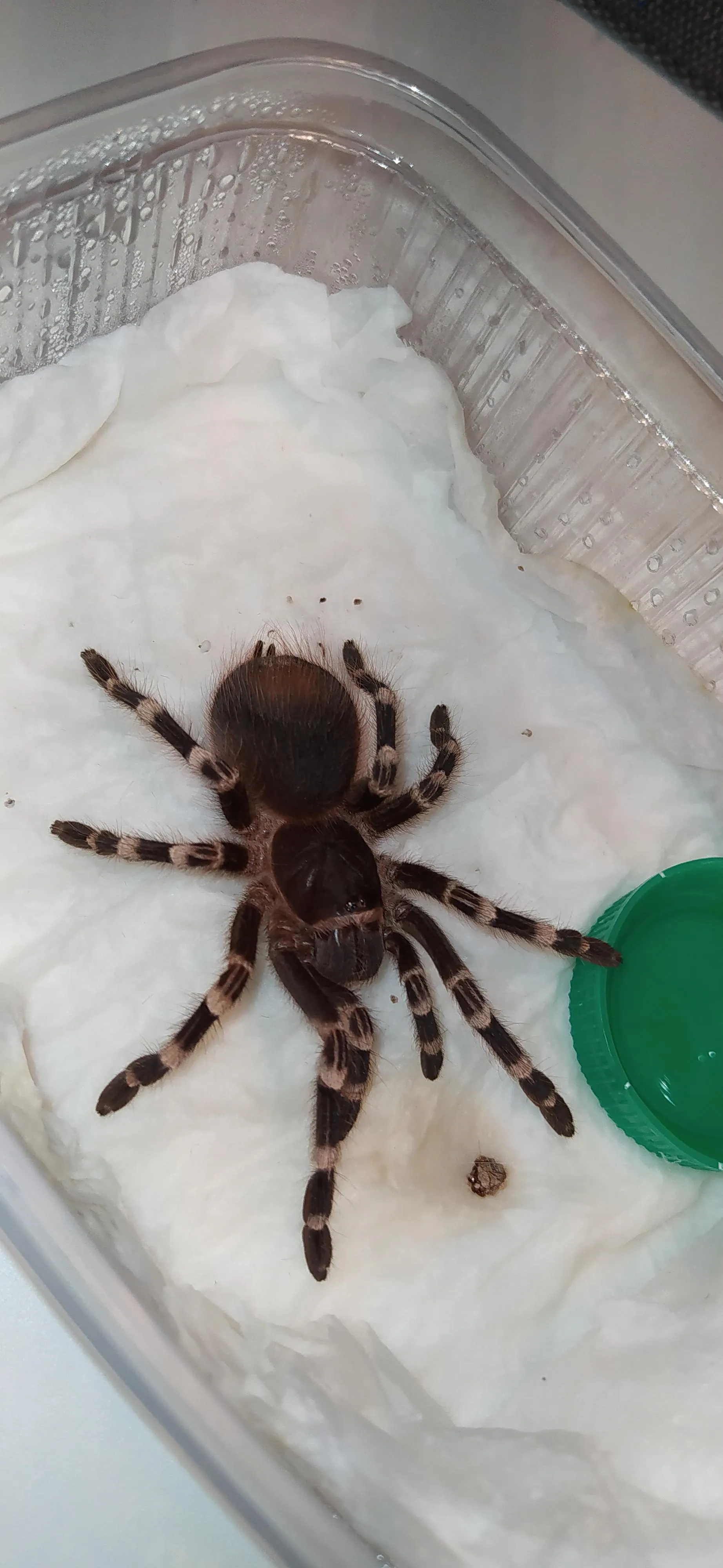
Understanding Tarantulas
Tarantulas, often perceived as intimidating creatures, are actually fascinating pets for the right enthusiast. These large, hairy spiders belong to the Theraphosidae family and are known for their relatively docile nature and long lifespans, making them popular among reptile and amphibian keepers. Tarantulas come in a wide variety of species, each with its own unique characteristics, colorations, and care requirements. Before considering a tarantula as a pet, it’s essential to understand their basic needs, including their habitat, diet, and handling procedures. This guide will provide you with essential information, ensuring a rewarding experience for both you and your new eight-legged companion. Owning a tarantula is a responsibility, and proper research and preparation are key to their well-being.
What are Tarantulas
Tarantulas are a diverse group of spiders found in various habitats around the world, primarily in tropical and subtropical regions. These arachnids are characterized by their large size, hairy bodies, and generally non-aggressive behavior, although they can defend themselves if threatened. They are nocturnal hunters, feeding primarily on insects and occasionally small vertebrates. There are hundreds of different species of tarantulas, each with unique appearances and temperaments. Some popular species include the Mexican Red Knee, the Chilean Rose Hair, and the Pinktoe tarantula. These spiders have fangs for injecting venom to subdue their prey, but the venom is generally not considered dangerous to humans, although bites can be painful. Their lifespans vary, with females living much longer than males. Their captivating features and relatively low maintenance make them an appealing pet.
Tarantula Habitats

Understanding a tarantula’s natural habitat is key to providing proper care. Most tarantula species thrive in environments that mimic their native surroundings. This involves creating a terrarium with the appropriate substrate, temperature, humidity, and hiding places. The type of substrate is crucial; options include coconut fiber, peat moss, or a mixture of both. These materials help to retain moisture and provide a burrowing medium for terrestrial species. Temperature should be maintained using a heat pad or lamp, ensuring the enclosure is consistently warm. Humidity levels vary depending on the species, but proper ventilation is vital to prevent mold. Hiding places, such as cork bark or artificial plants, should be included, as tarantulas are shy creatures and need a place to retreat. The right habitat provides safety and encourages the tarantula’s natural behaviors.
Top 5 Tarantula Care Tips for Beginners
Choosing the Right Tarantula Species
Choosing the right tarantula species is the first step in successful pet ownership. Beginners should start with docile and hardy species that are less prone to defensive behaviors. Popular choices include the Chilean Rose Hair (Grammostola rosea), which is known for its calm temperament, and the Mexican Red Knee (Brachypelma hamorii), a beautiful and relatively easy-to-care-for species. Researching the specific care requirements for each species is crucial. Factors to consider include size, humidity, temperature, and feeding habits. Avoid species that are known to be fast, skittish, or highly venomous. Always source your tarantula from a reputable breeder or pet store to ensure the spider is healthy and properly identified. This will also help to avoid any illegal collection or trade. Picking the right tarantula will make your experience much more enjoyable.
Creating the Perfect Tarantula Habitat

Creating the perfect habitat involves selecting the right enclosure, substrate, and environment. The size of the enclosure should correspond to the tarantula’s size and species. A general rule is to provide a space that is at least twice the tarantula’s leg span in length and width. The substrate should be deep enough for burrowing species to dig, and it must retain moisture to maintain the required humidity levels. Provide hiding places, such as cork bark or artificial plants, to allow the tarantula to feel secure. A water dish is essential to provide fresh water. Temperature and humidity should be monitored using a thermometer and hygrometer, respectively. The enclosure should also have adequate ventilation to prevent the buildup of mold and bacteria. A well-designed habitat reduces stress and promotes the overall well-being of your tarantula.
Feeding Your Tarantula
Feeding your tarantula is a straightforward process, but it requires understanding their needs. Tarantulas primarily eat live insects, such as crickets, mealworms, and roaches. The size of the insects should be appropriate for the size of your tarantula – generally, the prey should be no larger than the spider’s abdomen. Feeding frequency depends on the tarantula’s age and species. Younger tarantulas require more frequent meals, typically every few days, while adults can be fed once a week or even less. Always remove any uneaten insects from the enclosure within 24 hours to prevent them from bothering the tarantula. Make sure to provide a shallow water dish with fresh water at all times. Avoid overfeeding, as this can lead to health problems. A well-fed tarantula is a healthy tarantula.
Handling Your Tarantula Safely
Handling tarantulas should be done with caution and is generally not recommended for beginners. Some species are more docile than others, but all tarantulas can bite if they feel threatened. If you must handle your tarantula, do so only when necessary and close to the ground. Always wash your hands before and after handling. Be aware of your tarantula’s body language; if it raises its front legs or flicks hairs from its abdomen, it’s a sign that it feels threatened. Avoid sudden movements or loud noises. If a bite occurs, clean the area with soap and water and monitor for any allergic reactions. It’s best to appreciate your tarantula by observing it in its habitat and interacting only when necessary. Proper handling helps ensure a positive experience.
Monitoring Your Tarantula’s Health

Monitoring your tarantula’s health involves paying attention to its behavior, appearance, and appetite. Healthy tarantulas are typically active, eating regularly, and displaying vibrant colors. Look for signs of illness or stress, such as loss of appetite, lethargy, or changes in posture. Watch for any unusual behavior, such as excessive hiding or tremors. Check the tarantula’s abdomen for any signs of injury, such as wounds or swelling. Molting is a natural process, so don’t be alarmed if your tarantula stops eating and hides before shedding its exoskeleton. Ensure the habitat conditions are correct, and provide a varied diet. If you suspect any health problems, consult with a veterinarian who specializes in exotic animals. Being observant will help you to detect and address issues early, promoting the health and longevity of your tarantula.
Common Mistakes to Avoid
Overfeeding
One of the most common mistakes is overfeeding tarantulas. Feeding your tarantula too often can lead to obesity and related health issues. The spider may become sluggish and have difficulty molting. Overfeeding can also result in uneaten prey roaming the enclosure, stressing the tarantula. Stick to a feeding schedule appropriate for the spider’s age and species. If your tarantula refuses food for an extended period, it may be preparing to molt. In these cases, it’s best to leave the spider undisturbed and avoid offering food until after the molt is complete. Moderation is key to ensuring a healthy and happy tarantula.
Improper Handling

Improper handling is another mistake that can lead to stress or injury for both the tarantula and the handler. Avoid handling your tarantula unless absolutely necessary. If you must handle it, do so gently and close to the ground to minimize the risk of falls. Never grab a tarantula; instead, try to coax it onto your hand. Avoid sudden movements or startling noises, as these can trigger defensive behaviors. Always wash your hands before and after handling. Be aware of the tarantula’s body language and be prepared to put it back into its enclosure if it shows signs of stress. A careful approach will help avoid any bites or falls.
Inadequate Habitat Setup
An inadequate habitat can be detrimental to a tarantula’s health. Common mistakes include using the wrong type of substrate, failing to maintain proper humidity and temperature levels, or not providing adequate hiding places. The substrate should be appropriate for the species and deep enough for burrowing. The enclosure should be the right size and well-ventilated. Ensure that the temperature and humidity are within the optimal range for your species. Provide a water dish with fresh water at all times. A well-designed habitat will help your tarantula feel safe and secure, reducing stress and promoting its overall well-being. Review the specific needs of your tarantula to ensure that its habitat offers the best environment.
Frequently Asked Questions (FAQ)
What do Tarantulas Eat

Tarantulas are primarily insectivores, meaning their diet consists mainly of insects. Common food items include crickets, mealworms, and roaches. The size of the prey should be appropriate for the tarantula; smaller spiders require smaller insects. Some tarantulas may also eat small vertebrates, like pinky mice, but this should only be offered occasionally and in the correct proportions. Ensure that the insects are gut-loaded with nutritious food before feeding them to your tarantula. This enhances the nutritional value of the meal. Always remove any uneaten insects from the enclosure to prevent them from bothering the tarantula. Providing a varied diet can also help to keep your tarantula healthy and content.
How Long do Tarantulas Live
The lifespan of a tarantula varies significantly depending on the species and sex. Females typically live much longer than males. Some species can live for over 20 years, while others have shorter lifespans. Male tarantulas often live only for a few years after reaching maturity. Factors such as diet, habitat conditions, and overall care also influence lifespan. Maintaining a healthy environment and providing proper nutrition can extend a tarantula’s lifespan. Understanding the expected lifespan of your species can help you prepare for the commitment of owning a tarantula and to ensure they are well-cared for throughout their lives.
Are Tarantulas Dangerous
Tarantulas are generally not considered dangerous to humans. Their venom is not particularly potent and is unlikely to cause serious harm. However, a bite from a tarantula can be painful and may cause some localized swelling, redness, and discomfort. Some people may experience an allergic reaction. The hairs on some tarantulas can also cause irritation to the skin, eyes, and respiratory system, which is why it’s important to minimize handling. Always wash your hands after handling and be aware of the tarantula’s body language. While tarantulas are not inherently dangerous, it’s crucial to treat them with respect and avoid any actions that might provoke them.