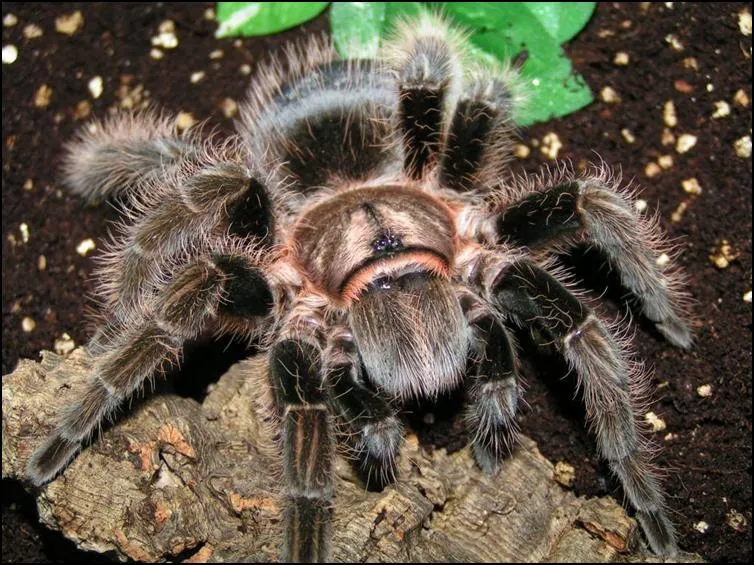
Caring for a Curly Hair Tarantula can be a rewarding experience. These docile and beautiful creatures make fascinating pets, but they require specific care to thrive. This guide provides the top 5 essential tips for ensuring your Curly Hair Tarantula lives a long, healthy, and happy life. From enclosure setup to feeding and handling, we’ll cover everything you need to know to provide the best possible care for your eight-legged friend. Understanding the specific needs of your tarantula is crucial for its well-being. Let’s dive into how to make sure your tarantula thrives.
Choosing the Right Enclosure for Your Curly Hair Tarantula
The enclosure is the most critical aspect of your Curly Hair Tarantula’s environment. It’s their home, and a well-designed setup ensures their safety, comfort, and overall health. A proper enclosure provides the necessary space, ventilation, and environmental control your tarantula needs to thrive. The size, substrate, and overall design will significantly impact your tarantula’s well-being, which needs to be considered. Incorrect setup can lead to stress, health issues, or even premature death. Therefore, it is important to start with the enclosure and make the best of the situation.
Enclosure Size Requirements
The size of the enclosure should be appropriate for your tarantula’s size. A juvenile Curly Hair Tarantula can start in a smaller enclosure, but as they grow, they will need more space. A general rule is that the enclosure should be at least twice the tarantula’s leg span in width and length, and the height should be sufficient to provide some vertical space. Too much space can make it harder for the tarantula to find food, while too little can restrict movement and lead to stress. A secure enclosure with a tight-fitting lid is essential to prevent escapes, which is another important consideration.
Substrate Selection for Optimal Comfort

The substrate serves as the flooring of the enclosure and plays a crucial role in maintaining humidity and providing a comfortable environment for your tarantula. A good substrate should retain moisture without becoming waterlogged, allow the tarantula to burrow if it desires, and be non-toxic. Popular choices include a mix of coconut fiber, peat moss, and vermiculite. Avoid substrates like sand or gravel, as they can be abrasive and difficult to maintain. The depth of the substrate should be sufficient to allow for burrowing, typically 3-6 inches, depending on the size of your tarantula.
Temperature and Humidity Control
Curly Hair Tarantulas thrive in a specific range of temperature and humidity. The ideal temperature range is typically between 75-85°F (24-29°C). Maintaining the correct temperature can be achieved using a heat mat or a low-wattage heat lamp. Monitoring the temperature with a reliable thermometer is essential. Humidity is equally important, with an ideal range of 60-70%. This can be maintained by misting the enclosure with water every few days and ensuring the substrate remains slightly moist. A hygrometer should be used to monitor humidity levels accurately. The temperature and humidity levels impact the behavior and health of your tarantula, which makes them important.
Maintaining the Ideal Environment
To maintain the ideal environment, place the enclosure away from direct sunlight and drafts. Ensure proper ventilation to prevent the buildup of mold and mildew. Regularly check the temperature and humidity levels, making adjustments as needed. Provide a water dish filled with clean water at all times. A consistent environment is crucial for your tarantula’s well-being. Proper setup helps your tarantula thrive.
Feeding Your Curly Hair Tarantula

Proper feeding is essential for your Curly Hair Tarantula’s health and growth. Providing the right food in the correct amounts ensures they get the necessary nutrients. Overfeeding can lead to obesity, while underfeeding can stunt their growth and affect their health. Therefore, a balanced diet and appropriate feeding schedule are necessary. Proper feeding habits influence your tarantula’s well-being.
Dietary Needs and Preferences
Curly Hair Tarantulas are primarily insectivores, meaning their diet consists mainly of insects. Suitable food items include crickets, mealworms, roaches, and other commercially available feeder insects. The size of the prey should be appropriate for the tarantula’s size; it should be no larger than the tarantula’s body. It’s important to gut-load the insects before feeding them to your tarantula, which involves feeding them nutritious food to ensure they pass on essential nutrients to your pet. This enriches their diet and provides them with essential vitamins and minerals.
Watering and Hydration
Providing fresh water is crucial for your tarantula’s hydration. Always have a shallow water dish in the enclosure. The dish should be shallow enough to prevent the tarantula from drowning. Regularly clean and refill the water dish to ensure it remains clean and free of debris. In addition to the water dish, misting the enclosure can help maintain the necessary humidity levels, which is also important for hydration.
Feeding Frequency and Quantity
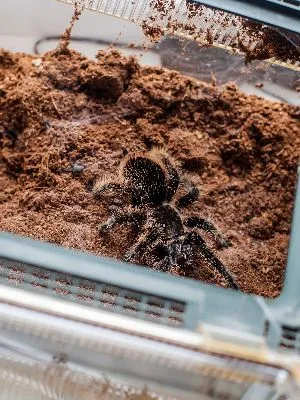
The feeding frequency depends on the tarantula’s age and size. Young tarantulas can be fed more often, typically twice a week, while adults can be fed once or twice a week. Remove any uneaten prey within 24 hours to prevent stress on the tarantula and prevent the growth of mold. Observe your tarantula’s abdomen; a plump abdomen indicates a well-fed tarantula, while a skinny one may require more frequent feeding. Adjust the amount of food as needed, always being mindful of your tarantula’s behavior and condition.
Handling and Interaction
Handling your Curly Hair Tarantula is a matter of personal preference, as these tarantulas are generally docile and not prone to aggression. However, it’s essential to handle them with care and respect to minimize the risk of injury to both the tarantula and yourself. Understanding their behavior and recognizing signs of stress are crucial for safe interaction. Always approach with caution and avoid sudden movements, as these can startle your tarantula.
Safe Handling Practices
If you choose to handle your tarantula, do so with caution and respect. Always wash your hands thoroughly before and after handling. Handle your tarantula over a soft surface, like a bed or a carpet, in case it falls. Avoid handling your tarantula if it’s molting or about to molt, as they are more vulnerable during this time. Never force a tarantula to move; allow it to crawl onto your hand at its own pace. Avoid startling your tarantula and be patient, as sudden movements can cause the tarantula to react defensively.
Recognizing Signs of Stress

Knowing how to recognize signs of stress is vital for your tarantula’s well-being. Some signs of stress include a defensive posture, such as raising the front legs or flicking hairs (urticating hairs). Other signs include excessive hiding, loss of appetite, or erratic movements. If you notice these signs, it’s best to leave your tarantula alone and address any potential issues with its environment, such as temperature, humidity, or enclosure setup. Provide them with a stress-free environment to maintain a healthy tarantula.
Understanding Tarantula Behavior
Understanding your tarantula’s behavior helps you interpret its needs and respond appropriately. Curly Hair Tarantulas are generally calm and docile, but they can still exhibit defensive behaviors. They may hide, burrow, or flick hairs as a defense mechanism. Learn to read your tarantula’s body language to avoid unnecessary stress or potential bites. Observe their behavior regularly to recognize any changes that might indicate stress or illness. Understanding their behavior ensures their safety and well-being.
Cleaning and Maintenance
Regular cleaning and maintenance are essential for maintaining a healthy environment for your Curly Hair Tarantula. This includes removing uneaten food, cleaning the water dish, and replacing the substrate. Keeping the enclosure clean prevents the buildup of bacteria, mold, and other harmful organisms. Proper cleaning also helps maintain the correct humidity levels and promotes overall hygiene. Regular cleaning is important for your tarantula’s long-term health.
Regular Enclosure Cleaning

Spot-clean the enclosure regularly, removing any uneaten food, dead insects, or waste. A full substrate change is recommended every 6-12 months, depending on the size of the enclosure and the amount of waste produced. When cleaning the enclosure, remove the tarantula and place it in a temporary, secure container. Replace the substrate and thoroughly clean the enclosure with warm water and mild soap (ensure all soap residue is removed). Allow the enclosure to dry completely before returning the tarantula. This will ensure that the enclosure is healthy and secure.
Water Dish Maintenance
The water dish should be cleaned and refilled with fresh, clean water every few days. Remove any debris or waste from the dish. Use a mild soap to clean the dish, rinsing thoroughly to remove any residue. Ensure the water dish is always accessible and filled with clean water. Keeping the water clean is essential for preventing the growth of bacteria and ensuring your tarantula’s health.
Monitoring for Health Issues
Regularly monitor your Curly Hair Tarantula for any signs of health issues. This includes observing its behavior, appetite, and overall appearance. Early detection of health problems can significantly improve the chances of successful treatment. Look for any unusual behaviors, such as lethargy, loss of appetite, or difficulty moving. If you notice any concerning symptoms, consult with a veterinarian experienced in exotic animals. Early detection is a key aspect of their health, so they are able to live the longest, healthiest life.
Common Health Concerns

Some common health issues that can affect Curly Hair Tarantulas include parasites, fungal infections, and injuries. Parasites can be transmitted through contaminated food or substrate. Fungal infections can result from poor hygiene or excessive humidity. Injuries can occur during handling or if the enclosure is not set up safely. Consult with a veterinarian if you suspect any health issues. Regular checks will ensure a long and happy life for your tarantula.
Preventative Measures
Preventative measures include maintaining a clean enclosure, providing a balanced diet, and avoiding overhandling. Quarantine new tarantulas before introducing them to existing ones. Regularly inspect your tarantula for any signs of illness. Provide the correct environmental conditions, including proper temperature and humidity. Ensure the enclosure has good ventilation to prevent fungal growth. By taking these preventative measures, you can significantly reduce the risk of health problems and ensure your tarantula’s well-being.
Caring for a Curly Hair Tarantula involves creating a safe, comfortable, and stimulating environment. By following these top 5 tips - proper enclosure setup, correct feeding, safe handling, regular cleaning, and health monitoring - you can ensure your tarantula lives a long, healthy, and fulfilling life. Enjoy the rewarding experience of being a tarantula owner, and remember that your efforts will provide your pet with a happy and healthy existence.