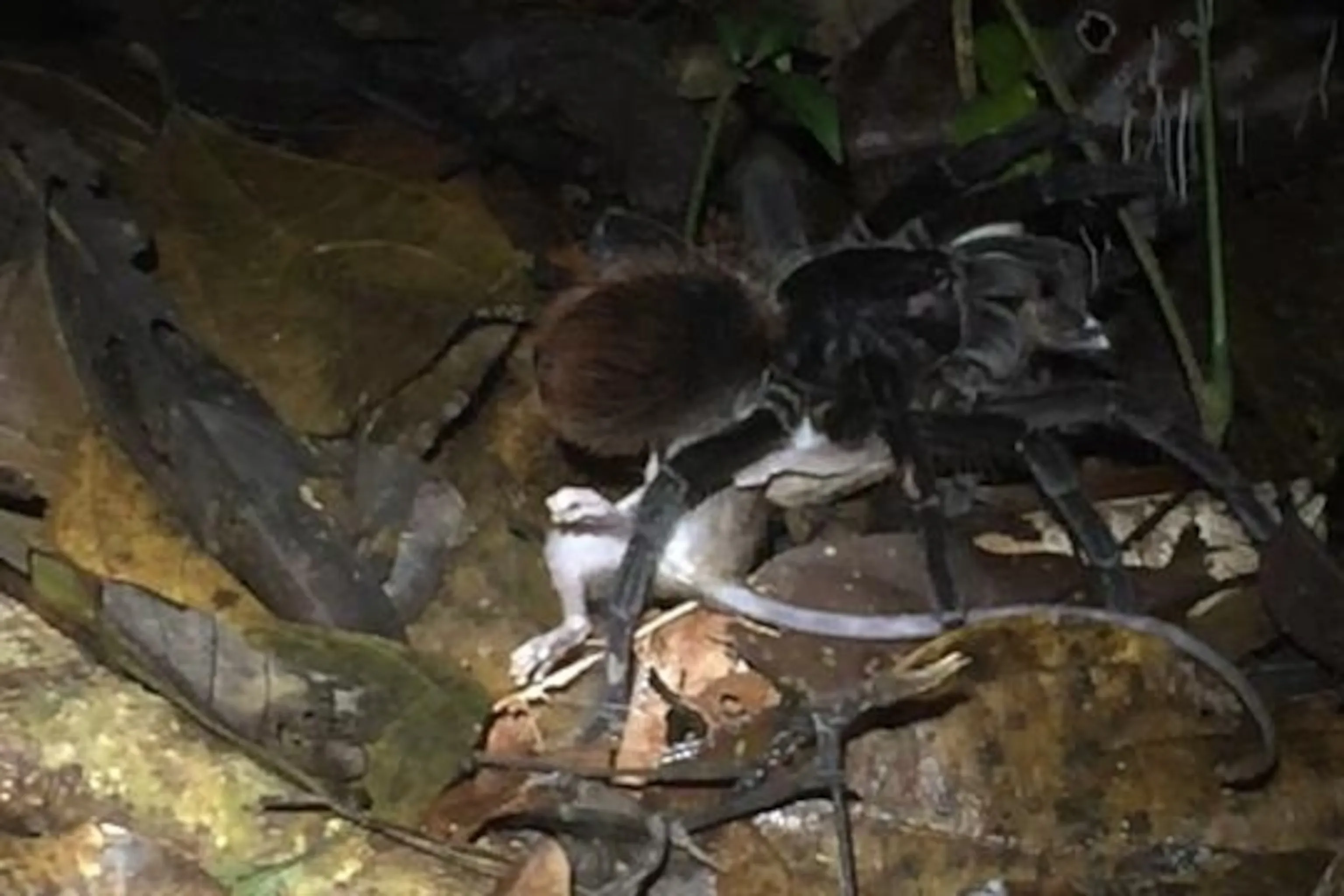
What is a Tarantula’s Diet?
Tarantulas, despite their imposing size and fearsome reputation, are themselves prey for a variety of animals. Understanding what eats a tarantula is crucial for anyone interested in these fascinating arachnids, whether for scientific study, pet ownership, or simply curiosity. These spiders, while venomous, are not at the top of the food chain. Their survival depends on their ability to avoid becoming a meal for a host of predators. The tarantula’s diet typically consists of insects, smaller spiders, and occasionally small vertebrates. However, the tarantula’s position in the food web is precarious, making it a target for various predators in its natural habitat. The following sections will delve into the top 5 predators of tarantulas, shedding light on the threats these spiders face.
Common Tarantula Predators
Several animals have evolved to hunt and consume tarantulas. These predators range from birds of prey to reptiles, mammals, and even other tarantulas. The specific predators vary depending on the tarantula’s geographic location and habitat. The types of predators also have an impact on the tarantula’s behavior, as they have developed several defense mechanisms to avoid being caught. The tarantula must be always vigilant in order to survive. The presence of these predators significantly impacts the tarantula’s life cycle and behavior, from the strategies employed to hunt prey to the locations chosen for shelter. Predators are an integral part of the tarantula’s world, influencing its ecological role and survival strategies.
Birds

Birds of prey, particularly hawks and owls, are among the most significant predators of tarantulas. These birds possess sharp eyesight, enabling them to spot tarantulas from a distance, whether they are on the ground or in their burrows. Their powerful talons and beaks are perfectly adapted for capturing and dispatching these large spiders. The hunting methods of birds of prey often involve swooping down on the tarantula, quickly seizing it, and carrying it off to be consumed. The impact of these predators on tarantula populations can be substantial, especially in areas where these birds are common. The birds also contribute to the ecosystem, playing a role in controlling tarantula populations, impacting the dynamics of the local food web.
Types of Birds that Prey on Tarantulas
Several types of birds are known to prey on tarantulas. Hawks, with their agility and sharp eyesight, are frequent hunters of tarantulas in open habitats. Owls, particularly those active during dusk and night, also target tarantulas, using their keen hearing to locate them in the dark. Other birds, such as roadrunners in the southwestern United States, have also been observed preying on tarantulas, running them down and pecking at them until they are subdued. The specific types of birds that hunt tarantulas vary geographically, and their presence significantly impacts tarantula survival rates. These avian predators represent a constant threat to tarantulas, shaping their behavior and influencing their population dynamics.
Mammals
Some mammals also include tarantulas in their diet. These predators often find the spiders in their burrows or while they are actively hunting. Mammals such as coyotes, foxes, and opossums, depending on the region, will opportunistically prey on tarantulas. Their hunting strategies vary; some dig into burrows to get to them, while others ambush them when they are out in the open. Mammals can be a significant threat to tarantula populations, especially in areas where they are common. The presence of these mammal predators also influences the behaviors of tarantulas, as they adapt their habits to avoid predation, thereby impacting the ecosystem.
Mammals That Hunt Tarantulas

Several mammals are known to include tarantulas in their diets. Coyotes, particularly in the southwestern United States, have been observed digging up tarantula burrows or ambushing the spiders. Foxes, with their intelligence and hunting skills, also prey on tarantulas. Opossums, being opportunistic omnivores, will consume tarantulas when they encounter them. The impact of these mammals on tarantula populations can be significant. These mammals can shape the survival strategies of tarantulas, influencing their behavior and population dynamics.
Reptiles
Reptiles, particularly snakes, are another group of predators that pose a threat to tarantulas. Snakes will hunt and consume tarantulas, either ambushing them or invading their burrows. The venom of the tarantula is often ineffective against snakes, allowing them to safely prey on the spiders. The impact of snakes on tarantula populations varies depending on the species of snake and the geographical location, with some snake species specializing in hunting tarantulas. This predation affects tarantula behavior and influences the dynamics of the ecosystem.
Snakes That Consume Tarantulas
Various snake species are known to prey on tarantulas. Colubrid snakes are often cited, with some species evolving specific adaptations for hunting these spiders. The snakes will often find tarantulas in their burrows, using their slender bodies to navigate the tight spaces. The snakes also have a natural resistance to tarantula venom. The presence of these snakes as predators has a significant impact on tarantula populations, influencing their behaviors and their place in the food web.
Amphibians

Certain amphibians, such as frogs and toads, also include tarantulas in their diet. These amphibians often inhabit the same environments as tarantulas. They may ambush the spiders as they move across the ground. The amphibians have sticky tongues that are effective for catching tarantulas. The impact of these amphibians on tarantula populations can be particularly noticeable in localized habitats where both species coexist. Their presence influences the tarantula’s behavior.
Frogs and Toads as Tarantula Predators
Several frog and toad species have been observed preying on tarantulas. These amphibians, which often inhabit the same areas as tarantulas, can ambush the spiders as they move across the ground. They use their sticky tongues to capture the tarantulas, quickly consuming them. The presence of these amphibians as predators significantly affects tarantula behavior and survival rates, especially in specific localized environments. The impact that these animals have is often dependent on the species and location.
Other Tarantulas
Cannibalism among tarantulas is not uncommon, with larger individuals sometimes preying on smaller ones. This behavior is particularly prevalent during molting, when the tarantula is vulnerable, or during mating, where the female may consume the male. This form of predation plays a role in population control and influences the social dynamics of tarantula populations. The presence of cannibalism among tarantulas highlights the competitive nature of these arachnids and shapes their survival strategies.
Cannibalism in Tarantulas

Cannibalism in tarantulas is a recognized phenomenon, with larger spiders preying on smaller ones, particularly during molting or mating. This behavior is a factor of their survival strategies. This form of predation has an influence on tarantula population dynamics, particularly in crowded environments. The act of cannibalism is common in this species, and this adds to the complex social interactions of tarantulas.