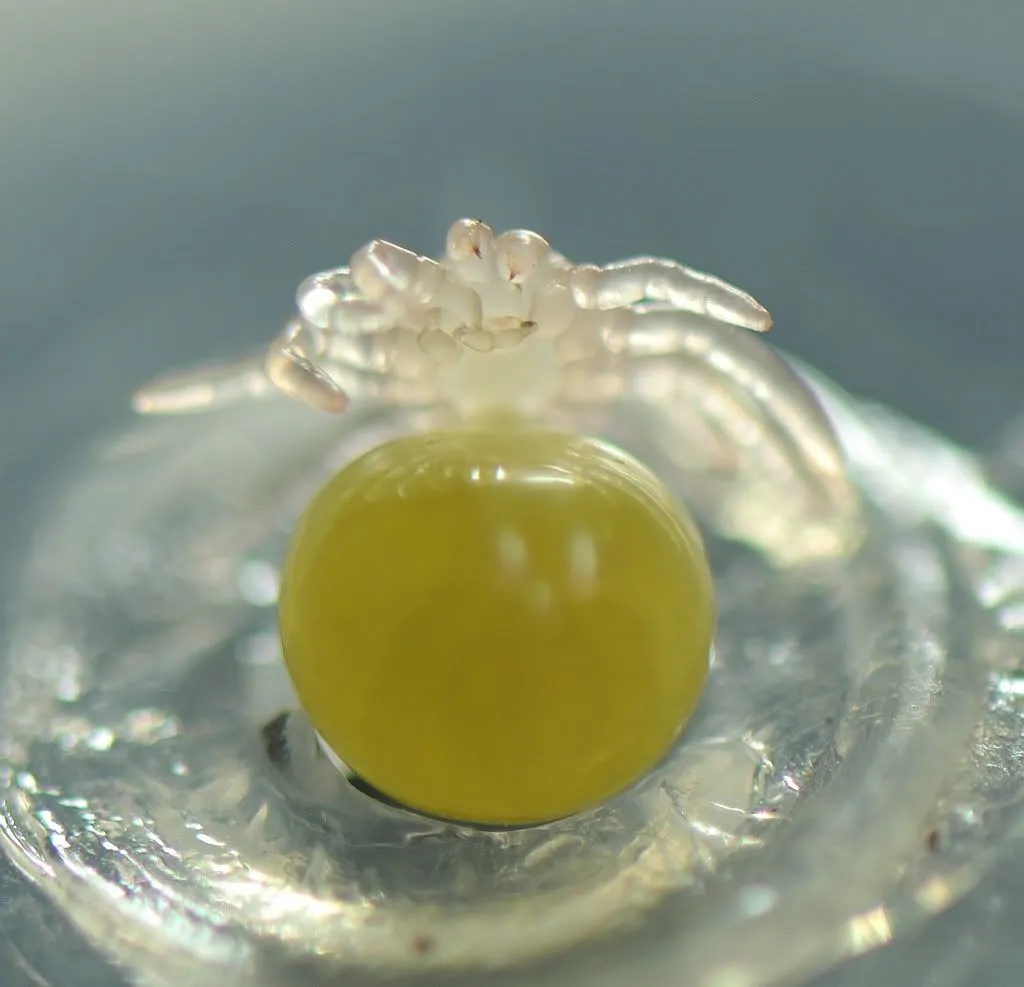
What is a Tarantula Egg Erebus
The term “Tarantula Egg Erebus” refers to the delicate and crucial structure where a female tarantula incubates her eggs. It’s essentially a silken egg sac, meticulously crafted by the mother to protect and nurture her developing offspring. This sac provides a controlled environment, shielding the eggs from external threats and maintaining the ideal conditions for their development. Understanding the egg erebus is the first step towards successfully hatching tarantula eggs. The structure is made of silk and can vary in size, shape, and color depending on the tarantula species, with some being round and others more elongated. Inside, the eggs are carefully arranged, bathed in a moist environment created by the mother’s efforts. The success of the entire breeding process hinges on the health and integrity of this egg sac.
The Importance of the Egg Erebus
The egg erebus is more than just a container; it’s a miniature ecosystem designed to protect the developing tarantula eggs. The silk provides physical protection from predators, parasites, and environmental hazards like fluctuating temperatures and humidity levels. Within the erebus, the mother carefully regulates these conditions, ensuring that the eggs receive optimal warmth and moisture. This controlled environment is essential for the eggs to develop properly and hatch successfully. The silk also acts as a barrier against pathogens, reducing the risk of infection and disease. Moreover, the structure allows for efficient gas exchange, ensuring the eggs receive enough oxygen for respiration while removing carbon dioxide. Without the protection and regulation provided by the egg erebus, the tarantula eggs would be highly vulnerable, and the chances of survival for the spiderlings would be dramatically reduced.
Preparing for Tarantula Eggs

Before you can even think about hatching tarantula eggs, you must first prepare for the possibility. This involves ensuring the female tarantula is properly fed and healthy, as her condition directly impacts the eggs’ health and viability. Provide a nutritious diet consisting of insects like crickets, roaches, and mealworms. You must also ensure the female tarantula has the proper environment, including appropriate temperature, humidity, and substrate. Maintaining these conditions allows the female to thrive. If you are breeding tarantulas, you will need to have a suitable setup for the egg sac, which may include a separate enclosure for the mother tarantula. Careful monitoring of the female’s behavior is also critical; the construction of the egg sac is a clear indicator of impending egg-laying. It’s a good idea to have a plan to move the egg sac to an incubator to ensure optimal conditions for hatching, or, depending on the species, leaving the egg sac with the mother. These initial steps lay the foundation for successful hatching.
Setting up the Incubator for Eggs
Setting up an incubator is critical for the successful hatching of tarantula eggs, as it allows you to maintain consistent environmental conditions. A good incubator will provide a stable temperature and humidity, protecting the eggs from fluctuations that can be detrimental to their development. The incubator can be as simple as a plastic container with a lid, or a more sophisticated setup with digital temperature and humidity controls. Regardless of the type of incubator you use, it’s essential to calibrate the equipment, as precise readings are key. Place the egg sac inside the incubator, ensuring it is supported and not crushed. Maintain proper ventilation to prevent the growth of mold or bacteria. Regular monitoring of the temperature and humidity levels is essential. The incubator will allow you to control the environment, which allows for the most spiderlings to successfully hatch. The incubator is the best way to make sure your spiderlings have the best start in life.
Temperature and Humidity
Temperature and humidity are the two most critical factors in the hatching process of tarantula eggs. Tarantulas thrive in a specific temperature range, and the eggs require consistent warmth for proper development. Most species do best with temperatures between 75-85°F (24-29°C). Fluctuations in temperature can disrupt the development process and potentially kill the eggs. Humidity is equally important. The egg sac needs a humid environment to prevent the eggs from drying out. The required humidity level will vary slightly depending on the tarantula species, but a range of 75-85% is generally suitable. You can measure humidity with a hygrometer. Use a water source, such as a shallow dish of water or damp paper towels, to maintain the desired humidity level. Avoid direct contact between the water source and the egg sac to prevent mold growth. Regularly monitor and adjust the temperature and humidity levels to ensure the environment remains optimal for the eggs’ development.
Maintaining the Ideal Environment

Maintaining the ideal environment for tarantula egg hatching requires diligent monitoring and proactive adjustments. Regular checks of the temperature and humidity levels are essential. Use a reliable thermometer and hygrometer to monitor the conditions inside the incubator. Adjust the settings as needed to stay within the optimal range for your tarantula species. Proper ventilation is also essential to prevent the buildup of harmful gases and the growth of mold. Ensure that the incubator has adequate ventilation, but be careful not to allow the environment to dry out. Regularly inspect the egg sac for any signs of mold or other issues. If mold appears, carefully remove the affected area and adjust the humidity levels to prevent further growth. Keeping records of temperature, humidity, and any adjustments made can help you troubleshoot problems and improve your success rate in future hatchings. Consistent and careful maintenance is critical for ensuring the healthy development of the tarantula eggs.
Monitoring the Eggs
Regular monitoring is crucial for the successful hatching of tarantula eggs, and this observation can give you essential insights into the health and development of the eggs. Inspect the egg sac periodically for any changes in color, shape, or texture. A healthy egg sac should be firm and evenly colored. Look for any signs of mold or other abnormalities, which could indicate a problem. It is not a good idea to disturb the egg sac too often, as frequent handling can stress the eggs and potentially damage them. However, occasional gentle observations are necessary. You may be able to see the developing eggs through the sac, particularly towards the end of the incubation period. By carefully monitoring the eggs, you can identify any potential issues early on and take corrective measures. Detailed records of the monitoring process, including dates, observations, and any adjustments made, can greatly enhance your ability to understand the hatching process and improve your success in the future.
Signs of Hatching
Recognizing the signs of hatching is a crucial step in the process of raising tarantula spiderlings. As the eggs approach the hatching stage, the egg sac may start to change in appearance. The color may become more translucent, and you might be able to see the developing spiderlings inside. The egg sac might also appear to be slightly larger as the spiderlings grow. The most obvious sign of hatching is the appearance of tiny spiderlings within the egg sac. These spiderlings, also known as first instars, will be small and relatively immobile at first. They will be tightly packed within the sac. In some cases, you might also observe the egg sac beginning to open slightly. Once you observe these signs, it’s important to continue maintaining the ideal environmental conditions. Handling the egg sac should be avoided unless absolutely necessary. Patience is key, as the spiderlings will need time to develop and molt before they become fully mobile and ready to be moved to a new enclosure. Keeping a close watch for these signs will allow you to prepare for the next stages of care, ensuring the spiderlings have the best chance of survival.
Caring for Spiderlings

Once the spiderlings have hatched, the care requirements become even more important. The newly hatched spiderlings, or first instars, will remain in the egg sac for a period of time, relying on the yolk from their eggs for nutrition. After their first molt, they will emerge from the sac and begin to move and feed independently. At this stage, you will need to transfer the spiderlings to individual enclosures, such as small deli cups or containers, to prevent cannibalism. Each enclosure should have a small amount of substrate, a water source, and a place for the spiderling to hide. Ensure the environment is kept at the appropriate temperature and humidity levels. Provide the spiderlings with small prey items such as fruit flies or pinhead crickets, depending on the size of the spiderlings. Monitor them carefully for molting. This is a vulnerable time, as spiderlings are susceptible to desiccation and injury. Maintain a clean environment and offer food and water regularly to support their growth and development. Consistency and patience are vital when caring for spiderlings, as their survival relies heavily on the conditions provided.
Feeding the Spiderlings
Feeding tarantula spiderlings requires attention to their small size and delicate needs. The spiderlings must be fed appropriately sized prey items regularly. Common choices include flightless fruit flies and pinhead crickets, which can be easily consumed. The frequency of feeding will depend on the species and the spiderlings’ rate of growth, but usually, feeding every other day or every three days is sufficient. Offer a few prey items at a time, and remove any uneaten insects within 24 hours to prevent mold growth. Ensure the prey is appropriately sized; the insects should be small enough for the spiderlings to subdue and eat. Providing the correct prey size is important to their development and health. Feed the spiderlings in their individual enclosures, making sure there is a small water source available at all times. Monitor the spiderlings’ abdomens for signs of feeding. A well-fed spiderling will have a plump abdomen. Proper feeding is critical to promoting healthy growth and a strong start to life for the tarantula spiderlings.
Growth and Development
Understanding the growth and development process of tarantula spiderlings is vital to ensure their survival. Spiderlings go through a series of molts, shedding their exoskeleton as they grow larger. The frequency of molting depends on their age, species, and the conditions in their enclosure. During molting, the spiderlings are vulnerable and should not be disturbed. Provide a humid environment during molting to prevent the spiderlings from drying out and hindering the process. After each molt, the spiderlings will increase in size and their appearance will change. The duration of the molt is important and, if not complete, can lead to death. It’s important to feed them regularly after the molt. It is important to keep track of each molt, as this can indicate when your spiderling is ready to move up in size or a change in food type. By monitoring their growth, you can adapt your care to meet their changing needs. Consistent and attentive care during this stage of growth will greatly improve your chances of raising healthy and thriving tarantulas.
Common Issues and Solutions

When it comes to hatching tarantula eggs, some common problems might arise. Mold growth on the egg sac is a common issue caused by excessive humidity or poor ventilation. To address this, reduce the humidity, improve ventilation, and carefully remove any visible mold. Another issue is the failure of the eggs to hatch. This may be due to a range of factors, including improper temperature or humidity, poor egg viability, or genetic factors. Ensure your incubator is functioning correctly and verify that the temperature and humidity levels are appropriate for your species. If hatching fails, there might be some issues with the original eggs. Cannibalism can occur among spiderlings if they are not separated into individual enclosures after their first molt. Providing adequate space and resources can help prevent this behavior. By addressing these common issues and taking proactive steps to prevent them, you can significantly improve your chances of a successful tarantula egg hatching. Careful observation, prompt action, and continuous learning are essential to overcoming these challenges and providing the best possible start for your tarantula spiderlings.