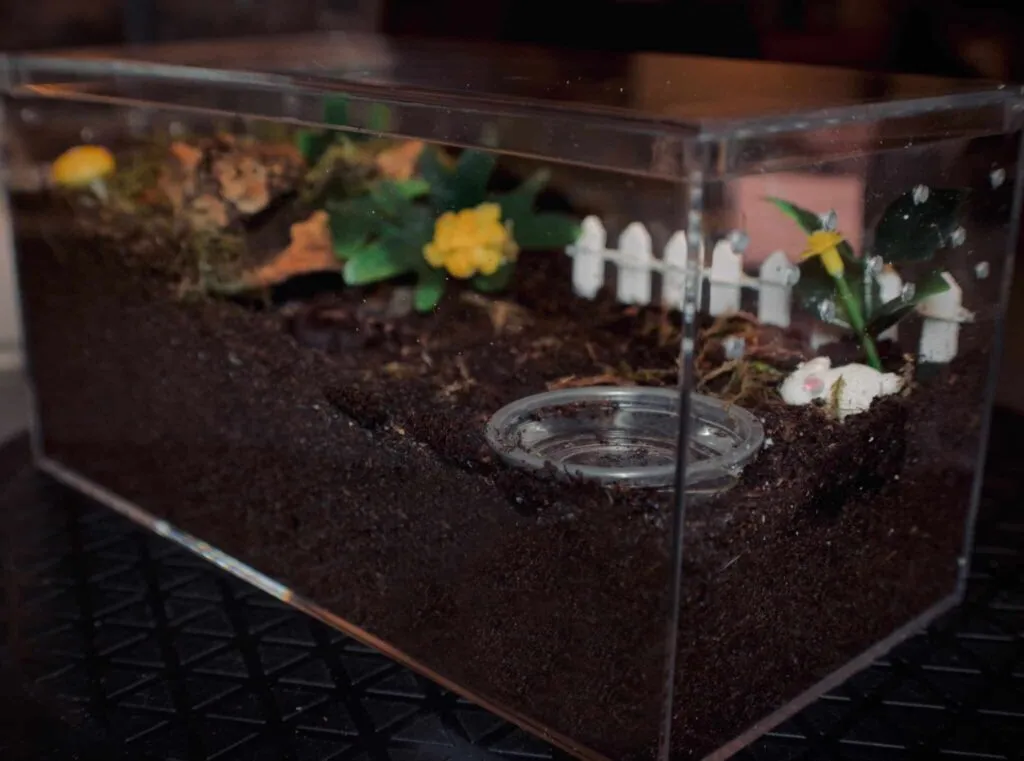
Tarantula Enclosure Care: 5 Essential Tips for Beginners
Bringing home a tarantula can be an exciting experience. These fascinating creatures require specific care to thrive in captivity. Setting up their enclosure is the most critical step in ensuring their health and happiness. This guide provides five essential tips for beginners to create a suitable and enriching environment for their new pet. Focusing on enclosure size, substrate, humidity, temperature, and enrichment, we will delve into each area in detail to get you started on the right foot. Understanding these core principles will empower you to become a responsible and knowledgeable tarantula keeper, providing your spider with the best possible life.
Choosing the Right Enclosure
Selecting the appropriate enclosure is fundamental to tarantula enclosure care. The size and type of enclosure significantly impact the tarantula’s well-being, providing adequate space for movement, burrowing (if applicable), and overall comfort. A well-chosen enclosure minimizes stress and promotes a healthy environment, influencing the tarantula’s feeding habits and overall activity levels. It’s important to consider the species of tarantula, as their requirements vary, including arboreal (tree-dwelling) species which require taller enclosures and terrestrial species needing more floor space.
Enclosure Size Considerations

The size of the enclosure should be proportional to the tarantula’s size. As a general rule, the enclosure should be at least two to three times the tarantula’s leg span in width and length. This allows for sufficient space for the tarantula to move around, hunt, and explore. Too small an enclosure can restrict movement and cause stress. A larger enclosure provides more room for burrowing, hiding, and creating a diverse microhabitat. Always err on the side of a larger enclosure, providing more room for the spider to thrive. Ensure the enclosure has secure ventilation to prevent stagnant air and humidity buildup.
Material Selection for Your Tarantula Habitat
The enclosure material is another critical aspect of tarantula enclosure care. Glass or clear acrylic enclosures are popular choices due to their transparency, allowing for easy viewing of your tarantula. Both materials are durable, easy to clean, and provide excellent visibility. Ensure the enclosure has a secure lid to prevent escape. Ventilation is crucial, so choose enclosures with well-designed ventilation systems to allow for airflow while preventing the tarantula from escaping. Avoid materials that could be toxic or have sharp edges that could injure the spider. Consider the long-term durability and ease of maintenance when selecting the enclosure material.
Substrate Selection and Setup
The substrate is the foundation of a healthy tarantula enclosure. It provides a surface for the tarantula to walk on, burrow in (for terrestrial species), and helps maintain humidity levels. The right substrate is crucial for the tarantula’s well-being, mimicking their natural habitat as closely as possible. Proper substrate setup contributes to the overall health and happiness of your pet. Choosing the correct substrate and setting it up correctly is one of the most important steps in providing appropriate tarantula enclosure care.
Understanding Substrate Options

There are several substrate options suitable for tarantula enclosures. Coconut fiber (coir) is a widely used and excellent choice. It retains moisture well, is relatively inexpensive, and offers a natural look. Sphagnum moss can also be used, especially for maintaining higher humidity levels. Some keepers also incorporate a mixture of substrates to provide different textures and humidity gradients. Avoid substrates that are dusty or contain harmful chemicals. The best substrate will depend on the species of tarantula and its specific needs. Research the species you own to determine the ideal substrate mix.
Setting Up the Substrate Correctly
When setting up the substrate, ensure it is deep enough for burrowing species to dig and create their habitats. A depth of 4-6 inches is generally sufficient for terrestrial tarantulas. For arboreal species, the substrate depth is less critical, but it should still provide some moisture retention. Moisten the substrate appropriately to maintain the desired humidity levels. Avoid over-saturating the substrate, which can lead to mold and fungal growth. Replace the substrate regularly, typically every 6-12 months, or sooner if it becomes soiled or contaminated. Regular substrate changes are crucial for maintaining a healthy enclosure and preventing the buildup of harmful bacteria.
Maintaining Proper Humidity and Temperature
Humidity and temperature are critical environmental factors that directly impact the health and well-being of your tarantula. Tarantulas are ectothermic animals, meaning they rely on external sources to regulate their body temperature. Therefore, maintaining the appropriate humidity and temperature levels is essential for their survival. It affects their ability to molt, feed, and thrive in their enclosure. Regular monitoring and adjustments are necessary to ensure optimal conditions. Proper humidity and temperature management is a cornerstone of successful tarantula enclosure care.
Humidity Control Methods

The humidity level required varies depending on the species of tarantula. Tropical species generally require higher humidity than arid species. To control humidity, mist the enclosure with dechlorinated water, but avoid spraying the tarantula directly. The frequency of misting will depend on the substrate used, ventilation, and ambient humidity. Monitor humidity levels using a hygrometer. Good ventilation helps prevent the buildup of excess humidity and mold growth. Ensure there is a water dish available to your tarantula. By providing the right humidity, you support your tarantula’s molting process and overall health.
Temperature Regulation Techniques
Most tarantulas thrive in temperatures between 75-85°F (24-29°C). Use a thermometer to monitor the temperature in the enclosure. Avoid placing the enclosure in direct sunlight, as this can lead to overheating. Supplemental heating may be necessary in cooler environments. Heat lamps are generally not recommended, as they can dry out the enclosure. Heating pads placed on the side of the enclosure can provide a gentle and even heat source. Proper temperature control helps ensure the tarantula’s metabolic processes function correctly, supporting its health and promoting activity.
Providing Appropriate Enrichment
Providing enrichment in your tarantula’s enclosure enhances its quality of life. Enrichment provides opportunities for natural behaviors, reduces stress, and promotes a more interesting environment. This involves adding items that provide hiding places, climbing structures, and opportunities for exploration. Enrichment is a critical aspect of tarantula enclosure care, promoting a happier and healthier pet.
Hiding Places and Decor

Tarantulas are naturally shy and prefer to hide. Providing secure hiding places is essential for their well-being. Cork bark, half logs, artificial plants, and sturdy decorations all make excellent additions to the enclosure. Ensure these items are stable and cannot fall on the tarantula. Choose decorations made of non-toxic materials and are easy to clean. Hiding places help the tarantula feel secure and reduce stress, especially after molting or during feeding. The hiding places also provide a sense of security and encourage the spider to exhibit natural behaviors.
Climbing Structures
For arboreal tarantulas, climbing structures are essential. These can include branches, artificial plants, or other secure items that allow the tarantula to climb and explore their environment. Even terrestrial species may benefit from low-lying structures. Ensure the structures are stable and provide enough space for the tarantula to move around without difficulty. The climbing structures will encourage the tarantula to be active, providing exercise and promoting a more stimulating environment. Regular enrichment helps to prevent boredom and contributes to the overall well-being of your tarantula.
Feeding and Watering Your Tarantula
Proper feeding and watering are critical components of tarantula enclosure care. A balanced diet and access to fresh water are essential for the tarantula’s health and survival. The type and frequency of feeding depend on the species, size, and age of the tarantula. Ensuring that your tarantula is well-fed and hydrated is a primary responsibility of any tarantula keeper.
Water Dish and Fresh Water

Always provide a shallow water dish with fresh, clean water in the enclosure. The dish should be accessible but not so deep that the tarantula can drown. Check the water dish daily and refill it as needed. Avoid using tap water, which may contain chlorine or other harmful chemicals. Use dechlorinated water or bottled spring water. Maintaining a clean and accessible water source is vital to the tarantula’s hydration and overall health. Ensure the water dish is stable and does not tip over easily.
Feeding Frequency and Prey Size
The feeding frequency and prey size should be appropriate for the tarantula’s size and age. Juvenile tarantulas generally need to be fed more frequently than adults. The prey should be no larger than the tarantula’s abdomen. Suitable prey includes crickets, mealworms, roaches, and other commercially available insects. Remove any uneaten prey within 24 hours to prevent stress on the tarantula and to avoid the buildup of waste. Overfeeding can lead to health problems, so it’s essential to provide a balanced diet and observe the tarantula’s feeding habits.
In conclusion, providing optimal tarantula enclosure care requires careful attention to detail. From choosing the right enclosure and substrate to controlling humidity and temperature, every aspect of the setup contributes to the well-being of your tarantula. By following these five essential tips, you can create a healthy and enriching environment, ensuring that your tarantula thrives. Remember to research your specific tarantula species and adjust the care accordingly. Consistent effort and observation will help you become a successful tarantula keeper, enjoying a rewarding and fascinating experience.