What is a Tarantula Experience
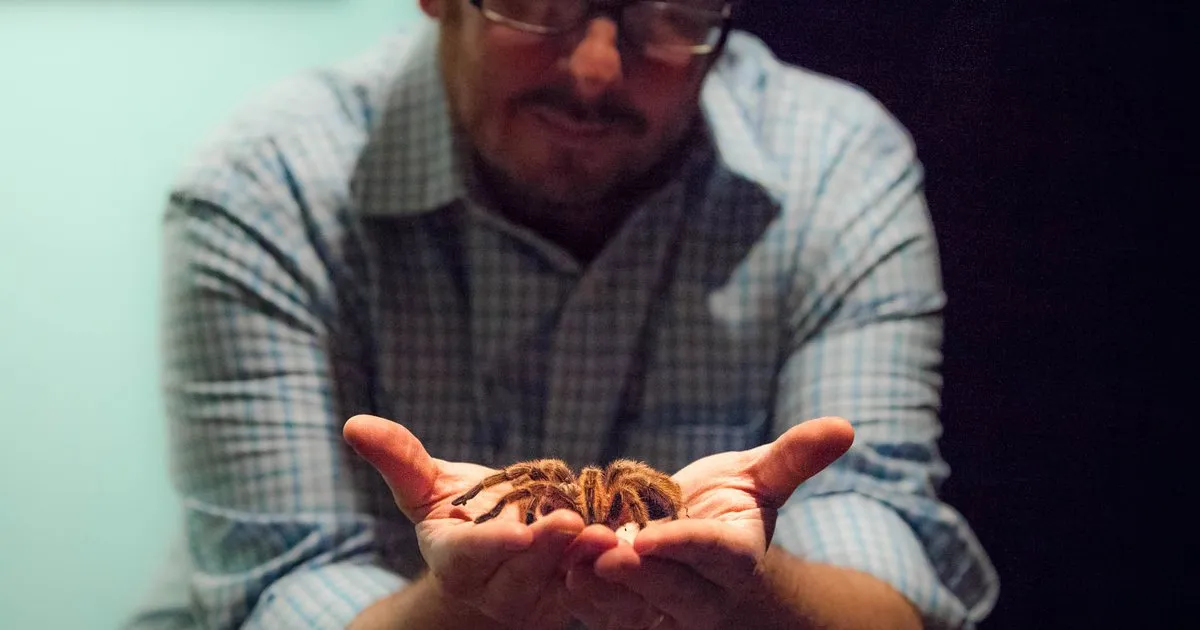
A tarantula experience involves interacting with these fascinating creatures, whether it’s observing them in their natural habitat, holding one under supervision, or keeping them as pets. These large, hairy spiders, belonging to the Theraphosidae family, have captivated humans for centuries with their imposing size and unique characteristics. While the idea of a tarantula experience might sound daunting to some, understanding these arachnids can dispel many misconceptions and foster a newfound appreciation for their role in the ecosystem. This guide explores ten amazing facts about tarantulas, offering insights into their biology, behavior, and the responsible practices associated with tarantula experiences.
Tarantulas Around the World
Tarantulas are found in diverse habitats across the globe, thriving in tropical, subtropical, and even arid environments. Their distribution spans the Americas, Africa, Asia, and Australia. Each region is home to a variety of tarantula species, each adapted to its specific environment. Their ability to adapt to different climates is a testament to their resilience and evolutionary success. Understanding their global distribution is key to appreciating the diversity within the tarantula family and the unique characteristics of each species. Furthermore, the location of tarantulas is one of the most important factors in determining the best tarantula experience, where you can get the most information.
Popular Tarantula Species

There are numerous tarantula species, with some being more popular than others in the pet trade. Popular species are usually chosen for their coloration, temperament, and ease of care. These species often originate from specific regions and have become sought after by enthusiasts. The choice of species often dictates the type of tarantula experience one might have, from simply observing their behavior to carefully handling them. Some examples include the Mexican Red Knee, the Chilean Rose, and the Brazilian Black tarantulas.
New World Tarantulas
New World tarantulas, found in the Americas, are generally known for their docile nature and vibrant colors. Many species possess urticating hairs, which they flick off their abdomens as a defense mechanism. These hairs can cause skin irritation. Examples include the Mexican Red Knee and the Chilean Rose tarantula, these are usually favored in tarantula experiences due to their comparatively calm temperament and the familiarity of enthusiasts.
Old World Tarantulas
Old World tarantulas, originating from Africa, Asia, and Australia, are often more defensive and possess stronger venom than their New World counterparts. They typically lack urticating hairs, relying more on their fangs and defensive postures. These tarantulas can provide a more challenging tarantula experience for experienced keepers. Some examples of Old World tarantulas are the Indian Ornamental and the King Baboon spiders.
Top 10 Facts About Tarantulas

Fact 1 Appearance and Size
Tarantulas are among the largest spiders in the world, with some species boasting leg spans exceeding 10 inches. Their bodies are covered in a dense coat of hairs, which can vary in color and texture depending on the species. These hairs serve various functions, including sensory perception and defense. Their impressive size and striking appearance make them a captivating sight. The overall look is often a major factor in a tarantula experience, offering a visual spectacle.
Fact 2 Lifespan
Tarantulas have remarkably long lifespans compared to many other invertebrates. Females can live for 20-30 years or more, while males typically have a shorter lifespan, often only a few years after reaching maturity. This longevity contributes to the appeal of tarantulas as pets, providing owners with a long-term companion. The lifespan is a key factor to consider, offering a prolonged tarantula experience.
Fact 3 Habitat and Distribution
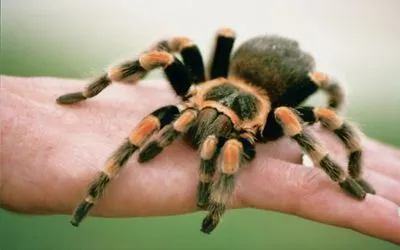
Tarantulas inhabit a diverse range of environments, from tropical rainforests to deserts. They can be found in burrows, under rocks, in trees, or on the ground, depending on the species. Their distribution spans various continents, each home to a unique array of tarantula species adapted to their respective climates. The habitat is important because it affects the ideal conditions for the tarantula experience.
Fact 4 Diet and Feeding Habits
Tarantulas are primarily carnivorous, feeding on insects, other invertebrates, and occasionally small vertebrates. They ambush their prey or actively hunt, injecting venom to immobilize it before consuming it. Their feeding habits vary depending on the species and the size of the prey. The feeding process is an interesting aspect of a tarantula experience, showing their hunting prowess.
Fact 5 Venom and Toxicity
Tarantula venom is generally not considered dangerous to humans, though it can cause localized pain, swelling, and muscle cramps. The effects vary depending on the species and the individual’s sensitivity. Despite their venom, tarantulas are not aggressive and typically only bite when threatened. The effect of the venom is also a key factor in the tarantula experience, and understanding the risks is key.
Fact 6 Behavior and Temperament

Tarantulas exhibit a range of behaviors, from docile to defensive. Their temperament depends on the species, with some being more prone to biting or flicking urticating hairs. They are generally solitary creatures, except during mating season. Understanding their behavior is critical for a safe and enjoyable tarantula experience. When considering a tarantula experience, the species behavior is a factor.
Fact 7 Molting Process
Tarantulas grow by molting, shedding their exoskeleton to accommodate their increasing size. The molting process is a vulnerable time for tarantulas, during which they are defenseless. The frequency of molting decreases as they mature. Witnessing a tarantula molt is a fascinating aspect of the tarantula experience, offering a glimpse into their growth process.
Fact 8 Reproduction and Life Cycle
Tarantulas reproduce sexually, with males using specialized pedipalps to transfer sperm to the female. The female lays eggs in a silken egg sac, which she protects until the spiderlings hatch. The life cycle involves several stages, including eggs, spiderlings, and adulthood. The reproductive cycle is an important aspect of the overall tarantula experience, and it is important for understanding the tarantula’s lifecycle.
Fact 9 Tarantulas as Pets

Tarantulas are popular pets, favored for their unique appearance and relatively low maintenance needs. They require a suitable enclosure, appropriate temperature and humidity, and a diet of insects. Responsible ownership involves providing a safe and enriching environment. Owning a tarantula can provide a daily tarantula experience, especially for enthusiasts.
Fact 10 Conservation Status
While many tarantula species are not currently threatened, some face conservation challenges due to habitat loss and over-collection. Conservation efforts are crucial to protect tarantula populations and their ecosystems. Knowing their conservation status is key to promoting a sustainable tarantula experience.
Tips for a Safe Tarantula Experience
Preparation and Research

Before any tarantula experience, research the specific species and understand its temperament, venom potency, and handling requirements. Ensure you have the necessary equipment, such as tongs, containers, and a secure environment. Always prioritize safety and be aware of the potential risks. Thorough preparation is paramount for a safe and enjoyable tarantula experience.
Handling Techniques
If handling a tarantula, do so with caution and avoid sudden movements. Use tongs to gently move the tarantula if necessary, and never force it to do anything. Always supervise children and ensure that everyone washes their hands thoroughly after the experience. These techniques help ensure a safe and stress-free tarantula experience.
Post-Experience Care
After the tarantula experience, wash your hands thoroughly and observe yourself for any signs of allergic reaction or irritation. If you have held the tarantula, ensure it is safely returned to its enclosure. Educate yourself on the tarantula and the experience to avoid repeating mistakes. The right post-experience care is key for learning and for preparing for the next tarantula experience.
Conclusion

The tarantula experience can be a fascinating and rewarding one, offering a unique opportunity to learn about these remarkable creatures. By understanding their biology, behavior, and the best practices for interacting with them, anyone can gain a newfound appreciation for tarantulas. Remember to prioritize safety, respect the animals, and embrace the chance to explore the captivating world of tarantulas. This experience can be a unique opportunity to grow your knowledge of the animal kingdom.