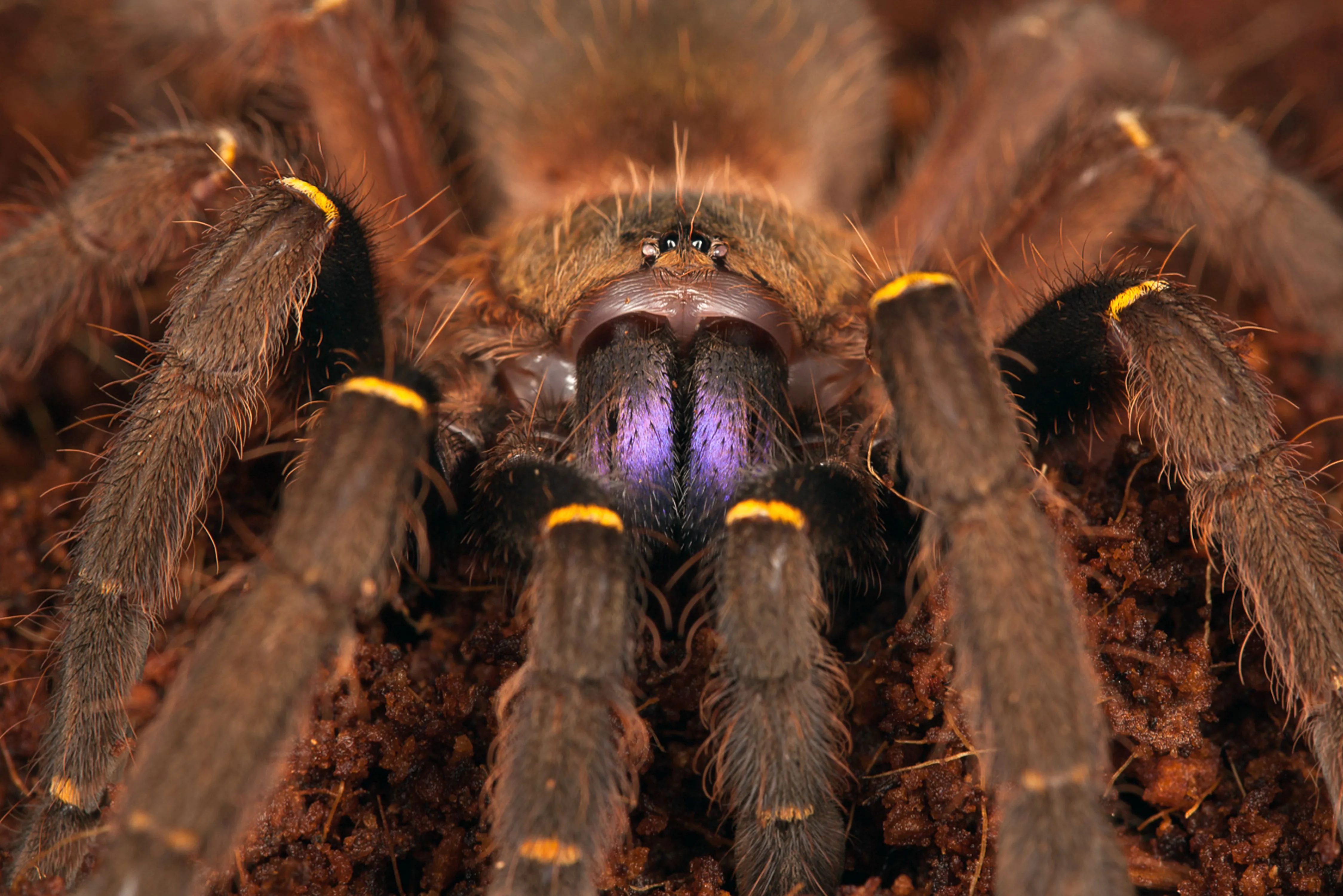
The Allure of Tarantulas
Tarantulas, with their imposing size and captivating appearance, have long fascinated humans. These arachnids, often misunderstood, present a unique allure for pet owners and enthusiasts alike. Their prehistoric lineage and diverse behaviors offer a window into a world of fascinating adaptations. From the vibrant hues of certain species to the intricate webs they may construct, tarantulas possess a natural charisma that draws people in. The increasing popularity of these creatures as pets is a testament to their undeniable appeal, with many finding a unique connection with these often-overlooked animals. Understanding the reasons behind this attraction is the first step to appreciating the world of tarantulas.
Why Choose a Tarantula as a Pet
Choosing a tarantula as a pet can be a rewarding experience for the right owner. Unlike more conventional pets, tarantulas are relatively low-maintenance in terms of daily care. They don’t require walks, constant attention, or loud vocalizations. Their feeding schedules are typically infrequent, and their habitats, once established, require minimal upkeep. This makes them an excellent choice for those with busy schedules or limited space. Beyond their practicality, tarantulas offer a unique opportunity to observe fascinating natural behaviors. The opportunity to observe a creature with a fascinating evolutionary history is what attracts many owners to the hobby. However, prospective owners should be aware of their specific needs and commitments to ensure their well-being.
Amazing Tarantula Facts 7 Startling Discoveries

Tarantulas are full of surprises, and here are 7 fascinating facts about them that might change your perspective on these incredible creatures.
Tarantula Habitats and Distribution
Tarantulas are found across various regions, primarily inhabiting tropical and subtropical areas. They’ve adapted to environments such as rainforests, grasslands, and deserts. Their distribution is vast, spanning North and South America, Africa, Asia, and Australia. Each species has specific habitat preferences, whether burrowing underground or seeking shelter in trees. This adaptability highlights their resilience as a species. They typically live in burrows, under rocks, or in trees depending on the species, showcasing their ability to thrive in diverse climates. Knowing their natural habitats helps in replicating a suitable environment for them in captivity.
Understanding Tarantula Species Diversity
The world of tarantulas is incredibly diverse, with hundreds of recognized species, each with unique characteristics. These species vary in size, color, temperament, and preferred habitats. The diversity extends to their behavior, from the arboreal species that climb trees to the terrestrial ones that burrow in the ground. This wide range offers an opportunity to choose a tarantula that best suits your preferences and lifestyle. Some of the most popular pet tarantula species include the Chilean Rose Hair, the Mexican Red Knee, and the Gooty Sapphire Ornamental, known for their vibrant colors and relatively docile temperaments. Researching different species is vital when choosing a pet tarantula.
Popular Tarantula Species for Pets

Several tarantula species are popular choices for pet owners due to their manageable size, docile temperaments, and striking appearances. The Chilean Rose Hair tarantula is often recommended for beginners due to its relatively low care needs and calm disposition. The Mexican Red Knee is another favorite, known for its vibrant colors and impressive size. Other popular choices include the Cobalt Blue, known for its striking color, and the Pinktoe tarantula, which is arboreal and enjoys climbing. When choosing a pet tarantula, it’s essential to research the specific needs of the species, including their habitat, feeding habits, and potential for defensiveness. Remember to always prioritize responsible pet ownership.
Characteristics of Tarantulas
Tarantulas share several common characteristics. They are arachnids, meaning they have eight legs, two body segments (cephalothorax and abdomen), and chelicerae (mouthparts) that are used for grasping and injecting venom. They also have spinnerets, which they use to produce silk for various purposes, including creating webs, lining burrows, and producing egg sacs. Their bodies are covered in small hairs, which serve sensory functions and also help them grip surfaces. These hairs also serve as a defense mechanism, in the case of certain species, causing irritation when touched. The characteristics of tarantulas highlight their unique adaptation to survive.
Physical Attributes of Tarantulas
The physical attributes of tarantulas vary greatly among species, but they all share a few fundamental traits. Their size ranges from a few inches to over a foot in leg span, with females often being larger than males. Their coloration is incredibly diverse, spanning from browns and blacks to vibrant blues, reds, and yellows. The chelicerae, or fangs, are often prominent and used for capturing prey and defense. They possess eight eyes, though their vision is not as acute as some other animals; they primarily rely on vibrations and sensory hairs. The size and physical features give insight to the health and needs of the species.
Behavioral Traits of Tarantulas

Tarantula behavior is fascinating to observe. They are generally solitary creatures, with the exception of mating. They are primarily nocturnal hunters, ambushing their prey rather than actively pursuing it. Tarantulas exhibit a range of defensive behaviors, including flicking urticating hairs (in certain species), raising their front legs, and, in rare instances, biting. They are also known to molt, a process where they shed their exoskeletons to grow. This process renders them vulnerable, during which they are particularly defensive. Understanding these behaviors is essential for responsible tarantula ownership. They are, for the most part, low maintenance, but it is important to recognize the individual needs of each species.
Feeding Habits of Tarantulas
Tarantulas are carnivores, and their diet primarily consists of insects. Crickets, mealworms, and roaches are common choices, but they also consume other invertebrates, and sometimes small vertebrates like small lizards or even newborn mice, depending on the species and size of the tarantula. The frequency of feeding varies based on the tarantula’s age and metabolism, with younger tarantulas requiring more frequent meals. They consume their prey by injecting venom to immobilize it. It is critical to provide appropriately sized food to prevent any safety concerns.
What Do Tarantulas Eat
The diet of a pet tarantula typically consists of insects that are readily available and easy to manage. Crickets are a staple, and they should be gut-loaded with nutritious food before feeding them to your tarantula. Mealworms are another option, but they contain less nutritional value than crickets. Roaches, such as Dubia roaches, are also an excellent food source, being high in protein and relatively easy to breed. Occasionally, some tarantula owners may feed their larger specimens with pre-killed pinkie mice, but this should be done sparingly and with caution. Always research the best foods for your particular tarantula species.
How Often to Feed Your Tarantula
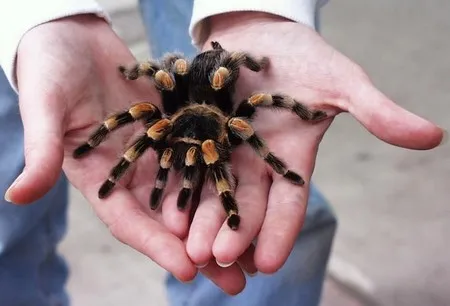
The feeding frequency of a tarantula depends on its age, size, and metabolism. Spiderlings and juvenile tarantulas often require feeding two or three times a week, while adult tarantulas can be fed less frequently, perhaps once or twice a week. Factors such as molting and seasonal changes can also influence feeding habits. A well-fed tarantula will have a plump abdomen, while a skinny one may need more frequent meals. Uneaten food should be removed promptly to prevent mold or mites. Monitoring your tarantula’s appetite and adjusting the feeding schedule accordingly is crucial for their health and well-being.
Tarantula Lifespan and Growth
One of the most remarkable aspects of tarantulas is their longevity. The lifespan of a tarantula varies based on several factors, including species and sex. Females generally live significantly longer than males, with some species living for over 20 years, while males may only live for a few years after reaching maturity. Their growth occurs through molting, a process where they shed their exoskeletons. This process is crucial for their growth and well-being. Understanding the lifespan and growth stages is essential for providing appropriate care and planning for long-term pet ownership.
Average Lifespan of Tarantulas
The average lifespan of tarantulas can vary widely between species, with females typically living much longer than males. Some female tarantulas, such as the Chilean Rose Hair, can live for 20 years or more. Other species, like some of the larger, tropical species, can also have long lifespans, often exceeding 15 years for females. Male tarantulas, on the other hand, have much shorter lifespans, often only surviving for a year or two after reaching maturity. This significant difference in lifespan is due to the physiological demands of reproduction in males. Proper care and diet are essential for maximizing a tarantula’s lifespan.
Factors Influencing Tarantula Growth

Several factors influence the growth of tarantulas. Diet plays a critical role; a balanced diet of nutritious insects supports healthy growth and molting. Temperature and humidity levels in the enclosure also impact their growth rate. A comfortable environment promotes regular molting cycles. Genetics also have a part in how quickly they mature. Proper care, including appropriate temperatures, humidity, and a balanced diet, is essential for their proper development. It’s important to offer your tarantula a good size enclosure and consistent food supply for them to flourish.
Tarantula Care Essentials
Providing proper care is critical for a tarantula’s well-being. This includes creating a suitable habitat, maintaining appropriate environmental conditions, providing a balanced diet, and handling the tarantula safely. The specific needs of the species you choose should be carefully researched, as requirements vary significantly. Regular maintenance of the enclosure, including cleaning and substrate replacement, is also essential. By understanding and meeting these essential care requirements, you can ensure a healthy and fulfilling life for your pet tarantula.
Setting Up a Tarantula Habitat
Setting up the right habitat for your tarantula is vital for its well-being. The enclosure should be appropriately sized for the species, allowing enough space for movement and exploration. Ventilation is crucial, ensuring proper air circulation while preventing the escape of the tarantula. The enclosure should be escape-proof, with a secure lid. The setup should include substrate, which helps maintain humidity and provides a place for the tarantula to burrow or hide. Hides, such as cork bark or artificial plants, offer security and reduce stress. The enclosure should provide all the environmental conditions the species needs to be healthy.
Temperature and Humidity Requirements

Maintaining the correct temperature and humidity is critical for the health of your tarantula. The ideal temperature range typically falls between 70-85°F (21-29°C), though specific requirements vary by species. Use a thermometer to monitor the temperature inside the enclosure. Humidity is equally important. Use a hygrometer to measure the humidity level, and adjust it by misting the enclosure with water or by providing a water dish. The substrate used will also influence humidity levels. Improper conditions can lead to health issues, such as dehydration and molting problems, making proper climate control essential.
Substrate and Enclosure Needs
The choice of substrate and enclosure type will greatly influence your tarantula’s well-being. For terrestrial species, substrate such as coconut fiber, peat moss, or a mix of both is often used. Arboreal species might benefit from a deeper substrate to burrow, or even cork bark to climb. The enclosure should be constructed of glass or plastic, ensuring it’s secure and easy to clean. The size of the enclosure must be large enough for the tarantula to move around. Make sure it has adequate ventilation. Regularly replacing the substrate prevents the buildup of waste and mites, maintaining a healthy environment. The right setup is crucial for the tarantula to flourish.
Handling and Safety
While tarantulas are not typically aggressive, handling them requires caution and knowledge. Some species have defensive behaviors, such as flicking urticating hairs, which can cause skin irritation. Bites, though rare, can be painful. The best practice is to avoid unnecessary handling to minimize stress for the tarantula and reduce the risk of injury. If handling is necessary, it should be done slowly and carefully. The handling of a tarantula presents a safety risk to the owner and the animal. This section provides insights on handling practices that keep you and your tarantula safe.
Safe Handling Practices
Safe handling practices are essential when interacting with a tarantula. Before handling, always make sure you understand the species and its potential temperament. Approach the tarantula slowly and speak softly to avoid startling it. Handle the tarantula over a soft surface, such as a bed or a low table, to minimize the risk of injury if it falls. Avoid any sudden movements or actions. Use a wide, clear container to encourage it to move from one area to another, rather than directly picking it up. Always wash your hands before and after handling to reduce the risk of contamination. Remember, their safety is the primary concern.
Avoiding Bites and Other Hazards
To avoid bites and other hazards, it’s crucial to understand a tarantula’s behavior and potential defense mechanisms. Avoid handling the tarantula when it’s molting, stressed, or feeding. Keep a safe distance from the fangs. Some species have urticating hairs that cause irritation on contact; avoid touching these with your skin. Be mindful of the environment in which you are handling the tarantula, making sure it is free of hazards. Always supervise children when they are around tarantulas and teach them how to interact safely. Handle the tarantula gently and only when necessary, which reduces the risk of being bitten or otherwise harmed.
Health and Common Issues
Tarantulas, like all pets, can be susceptible to various health issues. Recognizing the signs of illness and knowing how to address them is crucial. Common issues include dehydration, molting problems, and parasitic infestations. Maintaining proper environmental conditions, providing a balanced diet, and practicing good hygiene can help prevent many of these problems. If you notice any unusual behaviors or signs of illness, consult with a veterinarian experienced in exotic animals. Early detection and treatment are vital to ensuring the health and longevity of your pet tarantula.
Recognizing Common Tarantula Diseases
Recognizing the signs of common tarantula diseases is an essential part of responsible pet ownership. Some common issues to look for include loss of appetite, lethargy, and unusual postures. Dehydration is a frequent problem, often indicated by a wrinkled abdomen or slow movement. Molting problems can also occur, where the tarantula struggles to shed its exoskeleton. Parasitic infestations, such as mites, can cause irritation and distress. If you notice any of these signs, it is essential to take action. Providing appropriate care, maintaining ideal environmental conditions, and seeking veterinary attention are vital to ensure the health and longevity of your pet tarantula.
Preventative Care and Veterinary Visits
Preventative care is key to ensuring your tarantula remains healthy. Regular maintenance of the enclosure, including cleaning and substrate replacement, is essential. Maintaining the correct temperature and humidity levels helps prevent common health issues. Providing a balanced diet, appropriate to the species, ensures your tarantula receives the necessary nutrients. While tarantulas generally do not require frequent veterinary visits, it is wise to find a veterinarian experienced in exotic animals before your pet gets sick. Early detection and treatment are vital to ensure the health and longevity of your pet tarantula. Proper preventative care is the foundation of a long and happy life for your tarantula.
Breeding and Reproduction
Breeding tarantulas can be a rewarding experience for experienced keepers, but it requires specialized knowledge and careful planning. The process involves introducing a mature male and female, and if successful, the female will produce an egg sac containing numerous spiderlings. Caring for the egg sac and the spiderlings requires specific knowledge and equipment. This is often best handled by keepers who are experienced in the hobby. Understanding the breeding process, including the mating behaviors and the care requirements for spiderlings, ensures the success of the tarantula reproduction. This ensures the tarantulas will thrive.
Tarantula Mating Behavior
Tarantula mating behavior is a fascinating process that varies between species. The male tarantula, who is usually smaller than the female, must approach her cautiously to avoid being seen as prey. He may drum his legs or display other behaviors to signal his intentions. If the female is receptive, they will mate, and the male must quickly retreat to avoid being eaten. Mating can last from a few minutes to several hours, depending on the species. The female will then lay her eggs in an egg sac, which she will protect and care for. Understanding mating behavior is critical to successful tarantula breeding.
Caring for Tarantula Spiderlings
Caring for tarantula spiderlings requires diligence and expertise. Spiderlings are delicate and require a specialized environment. They need a small, well-ventilated enclosure with a suitable substrate and appropriate temperature and humidity levels. Spiderlings should be fed small, appropriately sized prey, such as flightless fruit flies or pinhead crickets, several times a week. Careful monitoring of their growth and molting is essential. Spiderlings must be handled with extreme care to avoid injury. Successful breeding and raising of spiderlings requires considerable knowledge, commitment, and experience, but the reward is a new generation of these fascinating creatures.