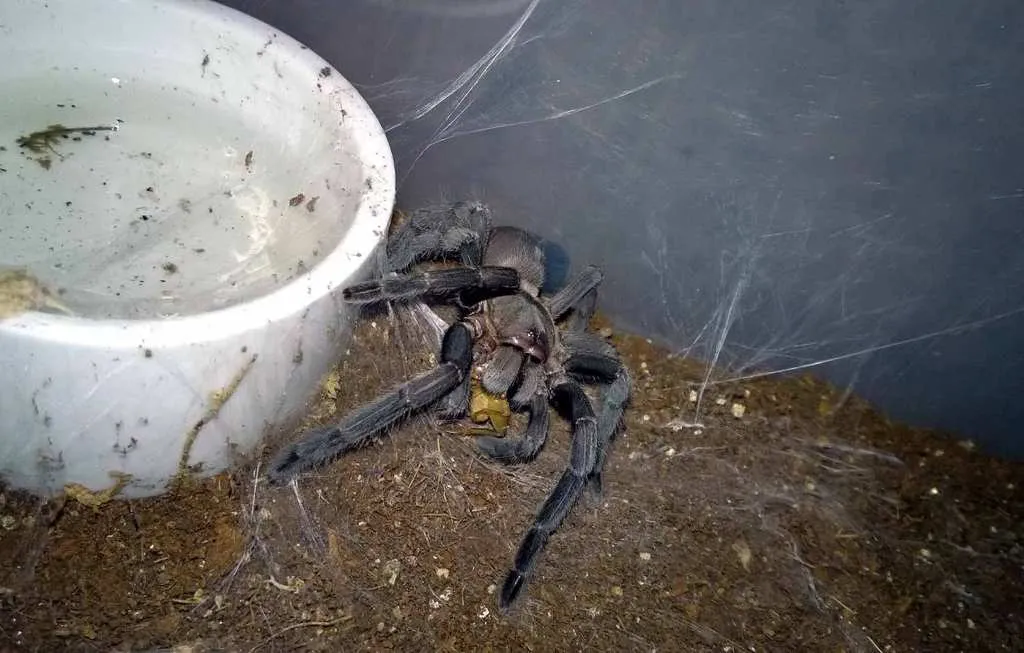
Understanding Tarantula Size and Feeding
Proper tarantula feeding is crucial for their health, growth, and overall well-being. Determining the correct prey size is one of the most important aspects of tarantula care, as it directly impacts their ability to thrive. This guide provides comprehensive information on how to determine the ideal prey size for your tarantula, taking into account various factors that influence their dietary needs. Understanding these nuances will help you avoid common feeding mistakes and ensure your tarantula receives the proper nutrition for a long and healthy life. The right prey size will ensure your tarantula is getting the right amount of nutrients and prevent potential health problems.
Factors Affecting Feeding Size for Tarantulas
Several factors influence the appropriate prey size for a tarantula. These factors include the tarantula’s stage of development, its species-specific needs, and even its individual feeding habits. Being aware of these elements will enable you to tailor your feeding approach, providing the best possible care. The key is to understand that there’s no one-size-fits-all approach, and observation and adjustment are key to successful tarantula keeping. It’s important to note that a tarantula’s needs can change over time.
Tarantula’s Stage of Development

A tarantula’s size and feeding needs change dramatically throughout its life cycle. Spiderlings, for example, require smaller prey, like flightless fruit flies or pinhead crickets, due to their delicate size. As they grow and molt, their prey size needs to increase accordingly. Juvenile tarantulas can handle larger prey such as small crickets or mealworms. Adult tarantulas, depending on their species, may be fed even larger prey, including adult crickets, roaches, or even appropriately sized mice (for certain larger species). The key is to progressively increase the prey size as the tarantula grows.
Species-Specific Feeding Needs
Different tarantula species have varying metabolic rates and feeding preferences. Some species are voracious eaters, while others are more prone to fasting or displaying a slower growth rate. Researching the specific needs of your tarantula species is crucial. For example, some arboreal species (tree-dwelling) may have slightly different feeding needs compared to terrestrial species. Consider the natural diet of your species in the wild. Some species may naturally consume a wider variety of insects, whereas others have more specific dietary requirements. Always consult reputable resources for species-specific care information.
Determining Prey Size Based on Tarantula Size
A general rule of thumb is to offer prey that is no larger than the tarantula’s abdomen. This is particularly important for younger tarantulas or those in the process of molting. The abdomen is the softest and most vulnerable part of the tarantula, and it’s also where they store their food reserves. Offering prey that is too large can stress the tarantula and potentially cause injury. Aim for prey that is approximately the same length or slightly smaller than the tarantula’s body. Proper size will ensure the tarantula can successfully capture, subdue, and consume the prey.
Body Size vs. Leg Span

When assessing prey size, it’s important to focus on the tarantula’s body size, not its leg span. The leg span can be misleading, as the legs do not directly relate to the tarantula’s ability to consume prey. The body size, specifically the abdomen, is the best indicator of how much food the tarantula can handle. Always prioritize the body size when selecting prey. This will help prevent potential issues related to overfeeding and ensure the tarantula’s overall health and well-being.
Prey Selection
The choice of prey is just as important as the size. Crickets are a popular choice, but they can be prone to carrying parasites. Roaches, mealworms, and superworms are also common alternatives, each with its own nutritional profile. Variety is often beneficial, as it can provide a more balanced diet. The specific prey will also depend on the tarantula’s size and age. Ensure that the prey is properly gut-loaded (fed nutritious food) before offering it to your tarantula to improve its nutritional value. Always source prey from a reputable supplier to minimize the risk of introducing parasites or diseases into your tarantula’s enclosure.
Nutritional Needs and Prey Size
The nutritional content of the prey is crucial. Different insects have different nutritional profiles, with varying levels of protein, fat, and other essential nutrients. For example, roaches tend to be a more nutritionally balanced option compared to crickets. Prey size directly affects the amount of nutrients a tarantula consumes. Too small of prey means insufficient nutrients. Too large prey may lead to an incomplete meal or refusal. Gut-loading the prey with nutrient-rich foods, like fresh vegetables and commercial insect food, can significantly boost the nutritional value of the meal. Supplements are rarely necessary, but some keepers dust the prey with calcium or vitamin supplements occasionally, especially for juveniles or females during egg-laying periods.
Observing Your Tarantula’s Feeding Habits

Observe your tarantula’s feeding habits to gauge their appetite and health. A healthy tarantula will typically show interest in prey, readily capturing and consuming it. The time it takes for your tarantula to eat the prey is also a good indicator. A healthy tarantula should typically consume the prey within a few hours. A loss of appetite could signal that the prey is too large, or there might be other factors. Keep a log of feeding frequency, prey size, and the tarantula’s response. This will help you identify patterns and make adjustments to your feeding regimen. Remember, tarantulas may fast for extended periods, especially before molting.
Signs of Overfeeding
Overfeeding can lead to several health problems. These problems include obesity and potential rupturing of the abdomen. Look for signs like a swollen abdomen and a lack of interest in food. If your tarantula consistently refuses food, it could be an indication that it’s already full. Another sign of overfeeding is a tarantula that is constantly in a pre-molt stage, because the abdomen is filled with food. Monitor the tarantula’s overall activity level. An overfed tarantula might move less than usual. Adjust your feeding schedule and prey size accordingly. It’s better to slightly underfeed than overfeed.
Signs of Underfeeding
Underfeeding can lead to slow growth, poor health, and even potential mortality. A tarantula that is consistently hungry will appear thinner, with a smaller abdomen relative to its size. If the tarantula is constantly searching for food or exhibiting erratic behavior, it could be a sign of underfeeding. A visibly shrunken abdomen can be a telltale sign. Regularly assess your tarantula’s condition. If it looks underweight, you may need to increase the feeding frequency or prey size. Always ensure that your tarantula has access to fresh water, as dehydration can exacerbate the effects of underfeeding.
Adjusting Feeding Based on Molting

Molting is a critical process for tarantulas. During the molting period, tarantulas shed their exoskeletons to grow. It is essential to adjust your feeding schedule during this period. As the molting cycle approaches, tarantulas usually stop eating. They may also become less active. The tarantula’s abdomen may appear darker or swollen, indicating that it’s preparing to molt. Remove any uneaten prey from the enclosure. Do not feed your tarantula for a week or two before the molt. This is important to avoid stressing the tarantula. Once the molt is complete, wait a few days for the new exoskeleton to harden before offering food. This is to prevent potential injuries.
Molting Process
The molting process is a complex and vulnerable time for a tarantula. They essentially turn themselves inside out, shedding their old exoskeleton. They may lie on their backs during this process. Never disturb a tarantula while it is molting, as it can lead to injury or even death. The entire process can take several hours. After molting, the tarantula will be very soft and vulnerable. Providing a humid environment during this period helps with the molting process. Always observe from a distance and give your tarantula space.
Post-Molting Feeding
After the molt is complete, wait a few days before offering food. This will give the tarantula’s new exoskeleton time to harden. The tarantula may refuse food initially. The wait period is crucial to prevent any harm to the freshly molted tarantula. Start with a small prey item, as the tarantula might still be a bit weak. Once the tarantula has regained its strength, you can slowly resume your regular feeding schedule and prey size. Ensure your tarantula has access to fresh water at all times.
Common Feeding Mistakes and How to Avoid Them

Several common mistakes can be made when feeding tarantulas. These include feeding prey that is too large, feeding the wrong types of prey, and failing to adjust feeding based on the tarantula’s stage of development. The most common mistake is offering prey that is too large. Also, providing a diet lacking in variety. Improper feeding can significantly impact your tarantula’s health. Always research the specific needs of your tarantula species. Keep the enclosure clean to prevent disease. Regularly check the tarantula’s water dish and provide fresh water.
Feeding Too Large Prey
Feeding prey that is too large is one of the most common mistakes. This can stress the tarantula and potentially cause injury. If the prey is too large, the tarantula may struggle to subdue it, leading to a potentially dangerous situation. It can cause the tarantula to regurgitate its meal. Always err on the side of offering smaller prey. Monitor your tarantula’s response to the prey and adjust the size accordingly. Always remove any uneaten prey from the enclosure to prevent stress.
Feeding Prey that is Too Small
While it is generally safer than feeding prey that is too large, feeding prey that is too small can still be problematic. If the prey is too small, the tarantula might not get enough nutrients, leading to stunted growth or poor health. Offering prey that is too small will also not stimulate the tarantula’s feeding response. Regularly assess your tarantula’s condition and adjust the prey size as needed. Ensure that the prey is gut-loaded to maximize its nutritional value. Providing a varied diet ensures that the tarantula gets the nutrients it needs.
Feeding Frequency

Feeding frequency depends on the tarantula’s age, species, and overall health. Spiderlings often require more frequent feeding, sometimes every other day or even daily. Juvenile tarantulas can be fed once or twice a week. Adult tarantulas typically need to be fed once a week or every two weeks. Always observe your tarantula’s appetite and adjust accordingly. Some tarantulas will fast for extended periods. Do not force-feed your tarantula. It’s crucial to provide a balanced diet.
Creating a Feeding Schedule
Establishing a consistent feeding schedule can help you monitor your tarantula’s eating habits and overall health. Start by researching the recommended feeding schedule for your specific species. Note the frequency of feeding (e.g., once a week, every two weeks). Keep a log of when you feed your tarantula. Note the prey size, the tarantula’s response, and any other observations. Adjust the schedule based on your tarantula’s behavior and health. Regular monitoring can help catch problems. By understanding your tarantula’s needs, you can provide the best care possible.
Best Practices for Tarantula Feeding
Feeding your tarantula appropriately involves careful observation, research, and attention to detail. Always prioritize your tarantula’s safety and well-being. By understanding their needs and following these best practices, you can help your tarantula thrive. Ensure that you have the proper enclosure. Maintaining the right temperature and humidity is essential. Always provide fresh, clean water. By following these guidelines, you can help your tarantula live a long, healthy life.