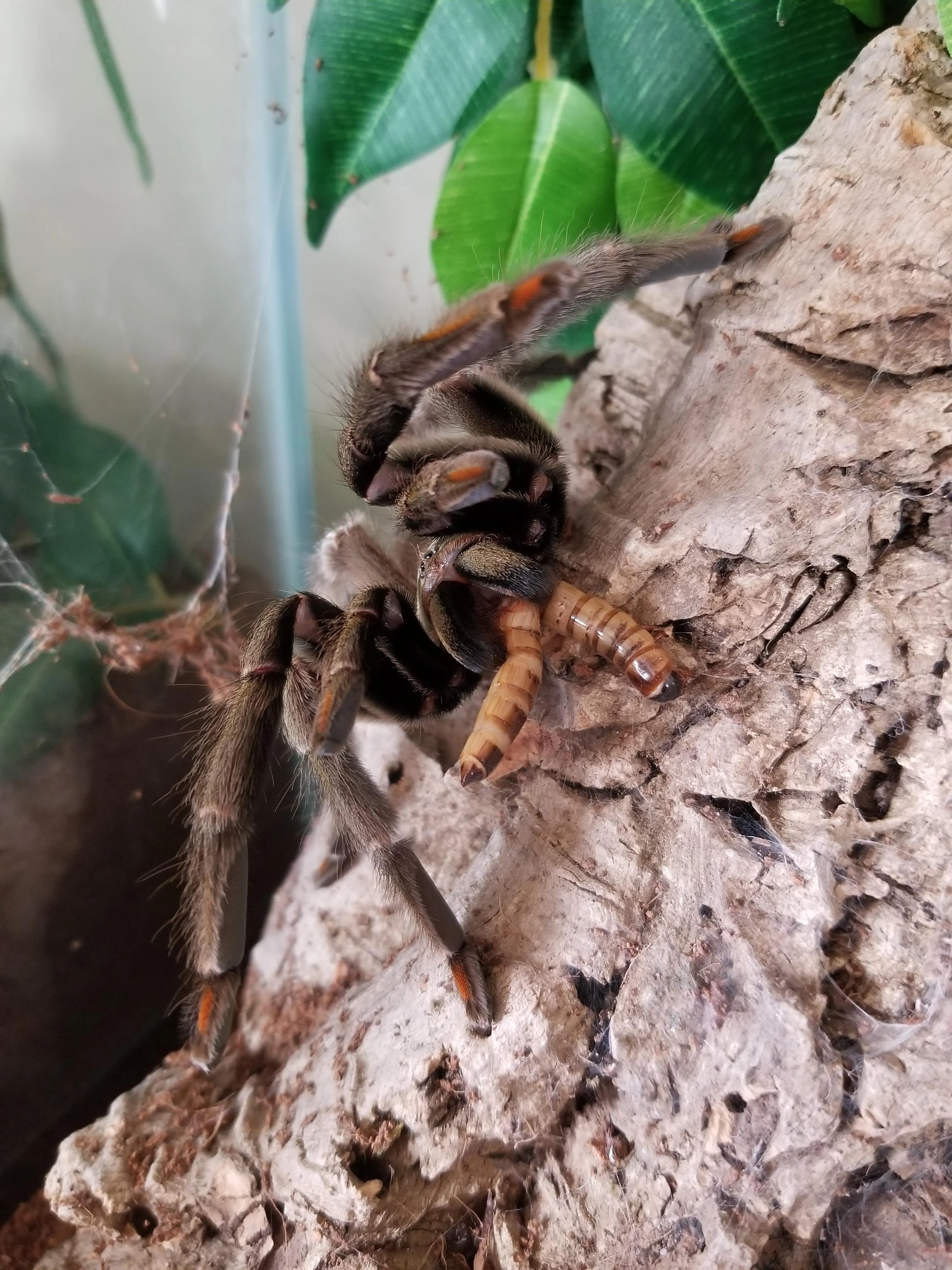
What Do Tarantulas Eat
Understanding the dietary needs of your pet tarantula is crucial for its health and longevity. Unlike mammals, tarantulas have a relatively simple diet, primarily consisting of insects. However, the type of insect, its nutritional value, and how it’s prepared can significantly impact your tarantula’s well-being. Proper feeding not only ensures your tarantula thrives but also contributes to a more engaging and enjoyable pet-keeping experience. Providing the right food is a key component of responsible tarantula ownership, and this guide aims to provide you with the knowledge necessary to make informed decisions about your pet’s diet.
Understanding Tarantula Nutritional Needs
Tarantulas require a balanced diet to support their growth, molting cycles, and overall health. While insects are the primary food source, the nutritional content of these insects varies. It’s important to understand the specific nutrients your tarantula needs to ensure they receive a complete diet. This involves considering not just what they eat but also how these nutrients are obtained and utilized by the tarantula’s body. The balance of these nutrients plays a pivotal role in the tarantula’s ability to thrive and maintain its vitality.
Essential Nutrients for Tarantulas

Essential nutrients include protein, fats, and chitin, which are the building blocks of a tarantula’s body. Protein is vital for growth and tissue repair, while fats provide energy. Chitin, a key component of insect exoskeletons, aids in the molting process. A deficiency in any of these nutrients can lead to health issues, stunted growth, or problems during molting. Supplementing the diet with calcium and other vitamins can also be beneficial, especially for captive tarantulas.
Hydration Needs
Water is just as crucial as food. Tarantulas absorb water through their food and by drinking. Always provide a shallow water dish with fresh, clean water. The frequency of providing water might vary based on the tarantula’s size, the humidity of its enclosure, and the type of food it consumes. Regularly checking and refreshing the water source ensures that your tarantula stays well-hydrated, contributing to its overall health and well-being. Dehydration can be a significant issue, especially in drier environments, potentially leading to molting problems or even death.
Choosing the Right Feeder Insects
Selecting the right feeder insects is as crucial as knowing what to feed. The ideal feeder insect should be nutritious, easily accessible, and safe for your tarantula. Consider the size of the insect in relation to your tarantula – a good rule of thumb is that the insect should be no larger than the tarantula’s body. Variety in the diet is also beneficial, offering different nutrients and avoiding nutritional deficiencies. Sourcing your feeder insects from reputable suppliers is important to ensure they are free from parasites and pesticides, which can harm your pet.
Popular Feeder Insect Options

Some of the best choices for feeder insects include crickets, mealworms, superworms, and roaches. Crickets are a staple for many tarantula keepers due to their availability and relatively high protein content. Mealworms and superworms are also popular but have a higher fat content, so they should be fed in moderation. Roaches are another excellent option, known for their nutritional value and ease of care. It’s good to offer a variety of insects to ensure your tarantula receives a balanced diet. Always research the specific insects you choose to ensure they are safe for your pet.
Pros and Cons of Different Feeders
Each feeder insect has its advantages and disadvantages. Crickets are readily available but can be noisy and may hide in the enclosure. Mealworms are easy to store, but they have a high-fat content. Superworms are larger, making them suitable for bigger tarantulas, yet, like mealworms, they are also high in fat. Roaches are nutritionally rich and don’t burrow but may be difficult to acquire in some regions. Carefully weigh these factors when selecting the right feeder insects for your tarantula, and consider the specific needs and preferences of your pet. This includes factors like your tarantula’s species, age, and individual personality, which will influence its feeding habits and preferences.
Insect Sourcing and Safety
Sourcing feeder insects from reliable suppliers is paramount. Avoid collecting insects from the wild, as they may carry parasites or have been exposed to pesticides. Reputable pet stores and online suppliers often provide insects that are bred specifically for feeding, ensuring they are safe for your tarantula. Always quarantine new insects for a few days before feeding them to your tarantula to ensure they are healthy. Observe the insects for any signs of illness, and discard any that appear unhealthy. Safe sourcing is the first step toward a healthy and happy tarantula.
Preparing Feeder Insects

Preparing feeder insects correctly maximizes their nutritional value and ensures your tarantula receives the best possible diet. This involves several steps, including gut-loading the insects and, in some cases, dusting them with vitamin supplements. The goal is to provide your tarantula with a complete and balanced meal that meets all its nutritional needs. Properly prepared insects also reduce the risk of nutritional deficiencies and support the tarantula’s overall health and vitality. Preparation is key to a successful feeding regimen.
Gut Loading Feeder Insects
Gut-loading involves feeding the feeder insects a nutritious diet before offering them to your tarantula. This process increases the nutritional value of the insects, as they pass those nutrients on to the tarantula when consumed. Gut-loading is especially beneficial for crickets, which can be fed a variety of fresh vegetables, fruits, and commercial insect food. This ensures that your tarantula receives a broader range of vitamins and minerals, contributing to its health and well-being. The quality of the gut-load directly impacts the health of your pet.
How to Gut Load
To gut-load, place your feeder insects in a well-ventilated container with access to fresh food and water for 24-48 hours before feeding them to your tarantula. Use a mix of leafy greens like spinach and kale, along with fruits like apples and oranges. Commercial gut-loading diets are also available, offering a balanced nutritional profile. Avoid feeding insects high in fat or those that could be harmful to your tarantula. This preparatory step is a simple yet effective way to enhance the nutritional value of your tarantula’s diet.
Dusting Insects with Supplements

Dusting feeder insects with vitamin and mineral supplements provides an additional layer of nutritional support, especially for tarantulas that may not receive a balanced diet through gut-loading alone. Calcium and vitamin D3 are particularly important for maintaining healthy exoskeletons. Supplements come in powder form and are easy to apply. Simply place the insects in a bag or container with the supplement and shake gently until they are lightly coated. This method ensures that your tarantula receives essential nutrients that might be lacking in their regular diet. However, always research the specific supplements and dosages appropriate for your tarantula’s species.
Feeding Frequency and Amounts
The frequency and amount of food you provide depend on your tarantula’s age, species, and metabolism. Overfeeding can lead to obesity and health problems, while underfeeding can stunt growth. Monitoring your tarantula’s abdomen is key—it should be slightly rounded but not excessively large. Adjust the feeding schedule based on your observations. Proper feeding practices directly contribute to your tarantula’s health, ensuring a balanced diet and a thriving pet.
Feeding Schedule by Tarantula Size
Spiderlings and juvenile tarantulas typically require more frequent feeding than adults. Spiderlings may need feeding every other day, while juveniles can be fed once or twice a week. Adult tarantulas can usually be fed once a week or even less often, depending on their appetite and activity level. Always observe your tarantula’s behavior and adjust the feeding schedule as needed. For example, a tarantula nearing a molt may stop eating altogether.
Amount of Feeders

Offer your tarantula a meal that matches its size. The general rule is to provide insects that are no larger than the tarantula’s body. A spiderling might only need a single small cricket, while a larger adult might eat several. Remove any uneaten insects within 24 hours to prevent them from disturbing your tarantula or causing potential injury. Adjust the quantity based on your tarantula’s appetite and the condition of its abdomen. The goal is to provide enough food without overfeeding.
Feeding Challenges and Solutions
Even with careful planning, tarantula feeding can present challenges. Recognizing and addressing these issues is crucial for maintaining your pet’s health and well-being. Common challenges include refusal to eat, issues related to overfeeding or obesity, and special considerations during the molting process. Understanding the causes and solutions of these problems ensures responsible pet ownership.
Refusal to Eat
A tarantula’s refusal to eat can be a common issue. Several factors can cause this, including stress, impending molting, and changes in the environment. Observe your tarantula for other signs, like lethargy or a darkened abdomen, that might indicate an upcoming molt. Ensure the enclosure is at the correct temperature and humidity, and that the tarantula feels secure. If your tarantula persistently refuses to eat, consult with a veterinarian or an experienced tarantula keeper for guidance. Sometimes, a simple adjustment can fix the problem.
Overfeeding and Obesity

Overfeeding can lead to obesity, which puts excessive stress on your tarantula’s body, shortening its lifespan. Watch for a large, distended abdomen as a sign of overfeeding. Adjust your feeding schedule and the amount of food you provide. Adult tarantulas, in particular, may not need to be fed as frequently as younger ones. Always prioritize a balanced diet, and monitor your tarantula’s weight and overall condition to make sure it remains healthy and active. A well-fed, but not overfed, tarantula is the goal.
Molting and Feeding
Molting is a critical process in which tarantulas shed their exoskeleton to grow. During this time, your tarantula will likely stop eating. Avoid offering food during the molting process, as it can stress the tarantula. Provide a humid environment to help with molting. After molting, wait a few days for the new exoskeleton to harden before resuming feeding. This period of rest and adjustment is vital for the tarantula’s health and successful growth. Be patient and avoid disturbing your tarantula during this vulnerable phase.
Creating the Perfect Feeding Environment
The environment in which you feed your tarantula also plays a crucial role in its feeding behavior and overall health. Factors such as temperature, humidity, and the cleanliness of the enclosure can influence your tarantula’s appetite and well-being. A well-maintained environment minimizes stress, encourages healthy eating habits, and contributes to a thriving pet. Create a comfortable and secure habitat that allows your tarantula to thrive, and ensure the best possible conditions for your pet.
Temperature and Humidity
Maintain the correct temperature and humidity levels in your tarantula’s enclosure. These factors are crucial for its health, molting, and appetite. Research the specific temperature and humidity requirements for your tarantula species, as these can vary. Use a reliable thermometer and hygrometer to monitor conditions and make adjustments as needed. An appropriate temperature and humidity level facilitates optimal feeding and contributes to a more comfortable environment for your pet. A stressed tarantula is less likely to eat, making the environment a key factor.
Cleaning Up After Feeding
Cleanliness is essential for maintaining a healthy environment and preventing the spread of disease. Remove any uneaten food and insect parts from the enclosure within 24 hours of feeding to prevent mold and bacterial growth. Regularly clean the water dish, and spot-clean the substrate to remove any waste. A clean enclosure helps prevent health problems, ensuring that your tarantula remains healthy and enjoys its meals in a safe and comfortable environment. Regular cleaning is a cornerstone of responsible pet ownership and will help to maintain a healthy tarantula habitat.
Conclusion
Feeding your pet tarantula is a rewarding experience that deepens the bond between you and your pet. By understanding their dietary needs, choosing the right feeder insects, preparing them properly, and providing an ideal environment, you ensure your tarantula’s health and longevity. Remember to regularly observe your tarantula, adjust your feeding practices as needed, and seek advice from experienced keepers or veterinarians if you have any concerns. With proper care and attention, you can enjoy the fascinating world of tarantulas for many years to come.