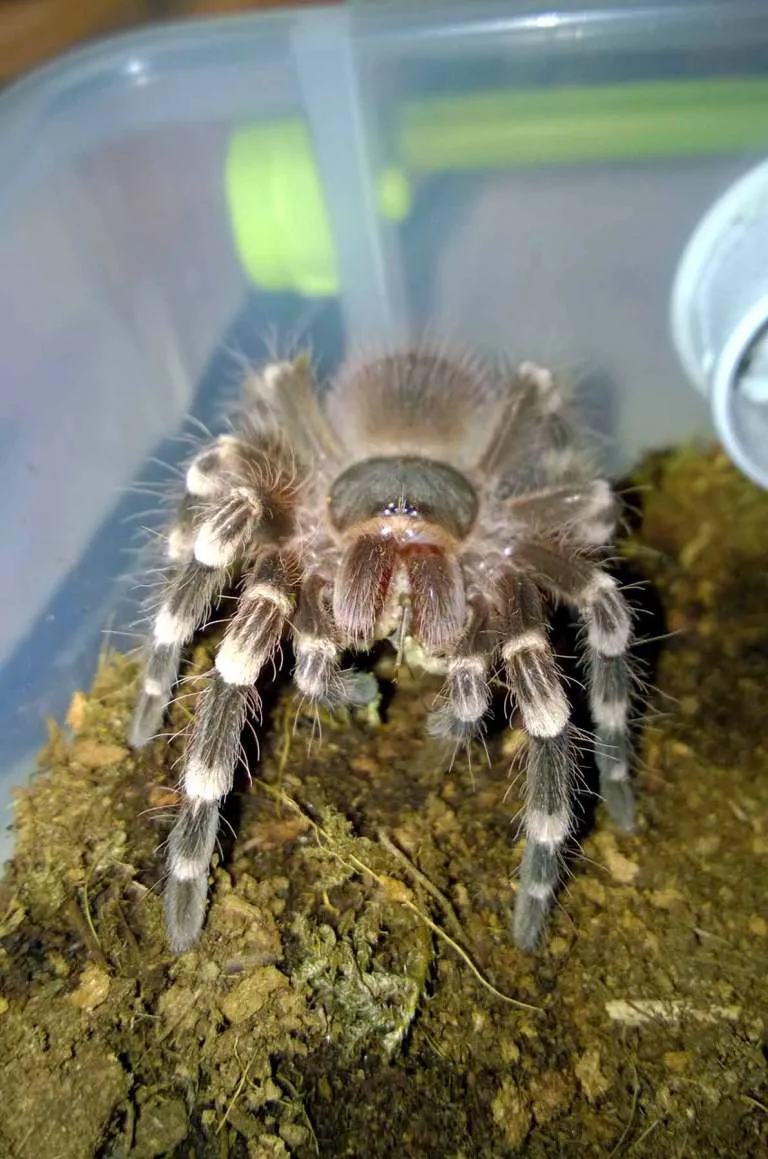
Understanding Your Tarantula’s Needs
Feeding your tarantula is a crucial aspect of its care, directly impacting its health, growth, and overall well-being. Understanding the specific needs of your tarantula is the first step in creating a suitable feeding routine. Several factors influence how often you should feed your tarantula, making it essential to tailor your approach to your pet’s individual circumstances. This guide will help you navigate the complexities of tarantula feeding, ensuring your eight-legged friend thrives in its enclosure. From determining the correct prey size to recognizing signs of overfeeding, we’ll cover everything you need to know to become a confident and responsible tarantula owner.
Factors Influencing Feeding Frequency
Several factors determine how often you should feed your tarantula. These factors can vary significantly from one spider to another, underscoring the importance of observation and adaptability in tarantula care. You should consider the spider’s age, size, and species when determining the proper feeding schedule. This will ensure your tarantula gets the nutrition it needs without being overfed, promoting a healthy and balanced lifestyle for your pet spider. By carefully considering these influences, you will create a feeding plan that supports the spider’s health and promotes a long life.
Tarantula’s Age

Young tarantulas, also known as spiderlings, have higher metabolisms and require more frequent feedings to support their rapid growth. Spiderlings need to eat frequently, often every other day or every three days. As tarantulas mature, their growth rate slows, and their feeding needs change. It’s essential to adjust the feeding schedule based on the spider’s age, providing it with the appropriate amount of food for its developmental stage. This ensures that the spider receives adequate nutrition without unnecessary overfeeding. Regular monitoring and adjustments are essential for optimal health.
Tarantula’s Size
A tarantula’s size directly correlates with its feeding requirements. Larger tarantulas need more food than smaller ones to maintain their body mass and energy levels. The bigger the spider, the more substantial the meals should be. Smaller tarantulas require appropriately sized prey to ensure they can eat and digest the food. The prey size should match the spider’s size, so it doesn’t struggle to eat it. You can help your tarantula by providing prey that fits its size and needs.
Tarantula’s Species
Different tarantula species have varying metabolisms and growth rates, which influence their feeding needs. Some species are naturally more voracious eaters than others, while some species may be more prone to fasting for extended periods. Researching the specific feeding habits of your tarantula species is vital. Consider the natural environment of your tarantula’s species, as this will affect its behavior and feeding patterns. This knowledge will help you create a feeding schedule that closely matches the species’ needs.
Recognizing Hunger Cues

Understanding how to identify whether your tarantula is hungry is essential for providing proper care. Tarantulas don’t always display obvious signs of hunger, but there are subtle cues to watch for. These include behavioral changes and physical signs. Paying close attention to your tarantula’s behavior, such as actively hunting or exploring its enclosure, will help you recognize when it’s time to feed. Regularly observe your spider and learn its typical habits to notice changes that may indicate hunger or other needs.
Signs of a Hungry Tarantula
A hungry tarantula might exhibit increased activity, such as wandering around its enclosure more frequently than usual. It may also show interest in the prey offered, moving towards it rapidly or displaying a more alert posture. These behaviors show it’s prepared to eat and is actively looking for food. If you notice these signs, offer food to your tarantula, paying attention to its reaction to determine if it is truly hungry.
Signs of an Overfed Tarantula
Overfeeding can lead to health problems, and it’s crucial to recognize the signs. An overfed tarantula may refuse food, even if it’s offered. The spider’s abdomen may appear unusually large and round. This indicates that it has consumed too much and may not be able to digest the food properly. It can also decrease the tarantula’s appetite and overall activity level. If you observe any of these signs, reduce the frequency or amount of food you offer and consult a vet if you’re concerned.
Creating a Feeding Schedule

Creating a feeding schedule that meets your tarantula’s specific needs is vital for its health and well-being. The schedule should be based on the age, size, and species of your spider, as well as its individual eating habits. Begin by starting with a general guideline for the species, then observe your tarantula’s behavior and make adjustments as needed. Consider the environmental factors, such as temperature, that can impact your tarantula’s metabolism and appetite. A good feeding schedule is a dynamic plan that will evolve as your tarantula grows and its needs change.
Feeding Young Tarantulas
Spiderlings and young tarantulas have a high metabolism and require more frequent feedings. Feed them every other day or every three days. Offer appropriately sized prey, such as fruit flies or small crickets, to match their size and feeding capabilities. Monitor their abdomen for signs of overfeeding, and adjust the frequency as they grow. Ensure that fresh water is always available for them to stay hydrated.
Feeding Sub-Adult Tarantulas
As your tarantula grows into a sub-adult, you can reduce the feeding frequency to once or twice a week. You can increase the size of the prey to match the growing size of your spider. Offer insects that are slightly bigger than the space between the spider’s legs. It’s crucial to monitor the spider’s body condition, adjusting the amount of food based on its abdomen size and general activity levels. Provide fresh water at all times.
Feeding Adult Tarantulas

Adult tarantulas can be fed less frequently, typically once every one to two weeks. You can offer larger prey items, such as crickets, cockroaches, or even small mice, depending on the species and size of your spider. Some adult tarantulas may even eat less often, especially if they are nearing a molt. Always monitor your tarantula’s health and adjust your feeding schedule as needed. Always provide access to fresh water.
Choosing the Right Food
The type of food you provide to your tarantula greatly affects its health and longevity. A varied and nutritious diet is essential for maintaining the tarantula’s well-being. The food should provide the necessary nutrients for your tarantula to thrive. Research the specific dietary requirements of your tarantula species to ensure you’re providing the right type of food. It is always necessary to offer a balanced diet.
Appropriate Insects
The most common food items for tarantulas are insects, which are readily available and relatively easy to care for. Popular choices include crickets, cockroaches, mealworms, and superworms. Crickets and cockroaches provide a good source of protein, while mealworms and superworms offer variety. It’s crucial to gut-load the insects before feeding them to your tarantula. This means providing the insects with nutritious food, so your tarantula gets the most nutrients. Make sure that insects have access to water and food.
Prey Size Guidelines

The size of the prey you offer to your tarantula should correspond to its size. A good rule of thumb is to offer prey that is no larger than the size of the tarantula’s body. This ensures that the tarantula can successfully capture, consume, and digest its meal. For smaller tarantulas, use small prey such as fruit flies or pinhead crickets. For larger tarantulas, use larger insects. Avoid prey that is too large, as it can stress your tarantula and potentially injure it. Always make sure that the prey is healthy and safe to consume.
Feeding Best Practices
Following the best practices while feeding your tarantula guarantees its safety and well-being. It also creates a stress-free and enjoyable feeding experience for you and your pet. By adhering to these guidelines, you’ll be able to maintain a healthy environment for your tarantula, promoting its long-term health and longevity. Proper feeding practices are an important part of your tarantula’s routine.
How to Offer Food
When offering food to your tarantula, place the prey in the enclosure and monitor your spider’s reaction. Use tongs to place the insect near the tarantula, stimulating its hunting instincts. If the tarantula doesn’t show interest in eating, the prey can be removed. Be sure to remove the prey if it isn’t consumed within 24 hours. Avoid leaving uneaten prey, as they can stress the spider. Provide fresh water, so your tarantula remains hydrated.
Removing Uneaten Prey

It is important to remove uneaten prey from the tarantula’s enclosure within 24 hours. Uneaten insects can stress the tarantula and may even harm it. Regularly check the enclosure for any uneaten prey and remove them immediately. Use tongs or a small net to safely remove the insects. Clean the enclosure to prevent the buildup of waste and the spread of diseases. Properly removing the uneaten prey is a critical part of keeping your tarantula healthy and keeping its enclosure safe.
Troubleshooting Feeding Issues
Sometimes tarantulas may refuse to eat or show a lack of interest in food. There are several reasons for this, including molting, environmental stressors, or illness. If your tarantula is refusing food, carefully assess its environment and behavior. Check for any signs of molting, such as a darkened abdomen or loss of appetite. Provide fresh water at all times, maintain appropriate temperature and humidity, and ensure the enclosure is clean and stress-free. If the problem persists, consult a veterinarian for further guidance.
If you notice any issues, consider:
- Molting: Tarantulas often refuse food before molting.
- Environmental Stress: Ensure the temperature and humidity are correct.
- Health Issues: Watch for any signs of illness and consult a vet if needed.
Proper tarantula care involves understanding and responding to your pet’s needs. By following these guidelines, you’ll be able to create a healthy and enriching environment for your tarantula.