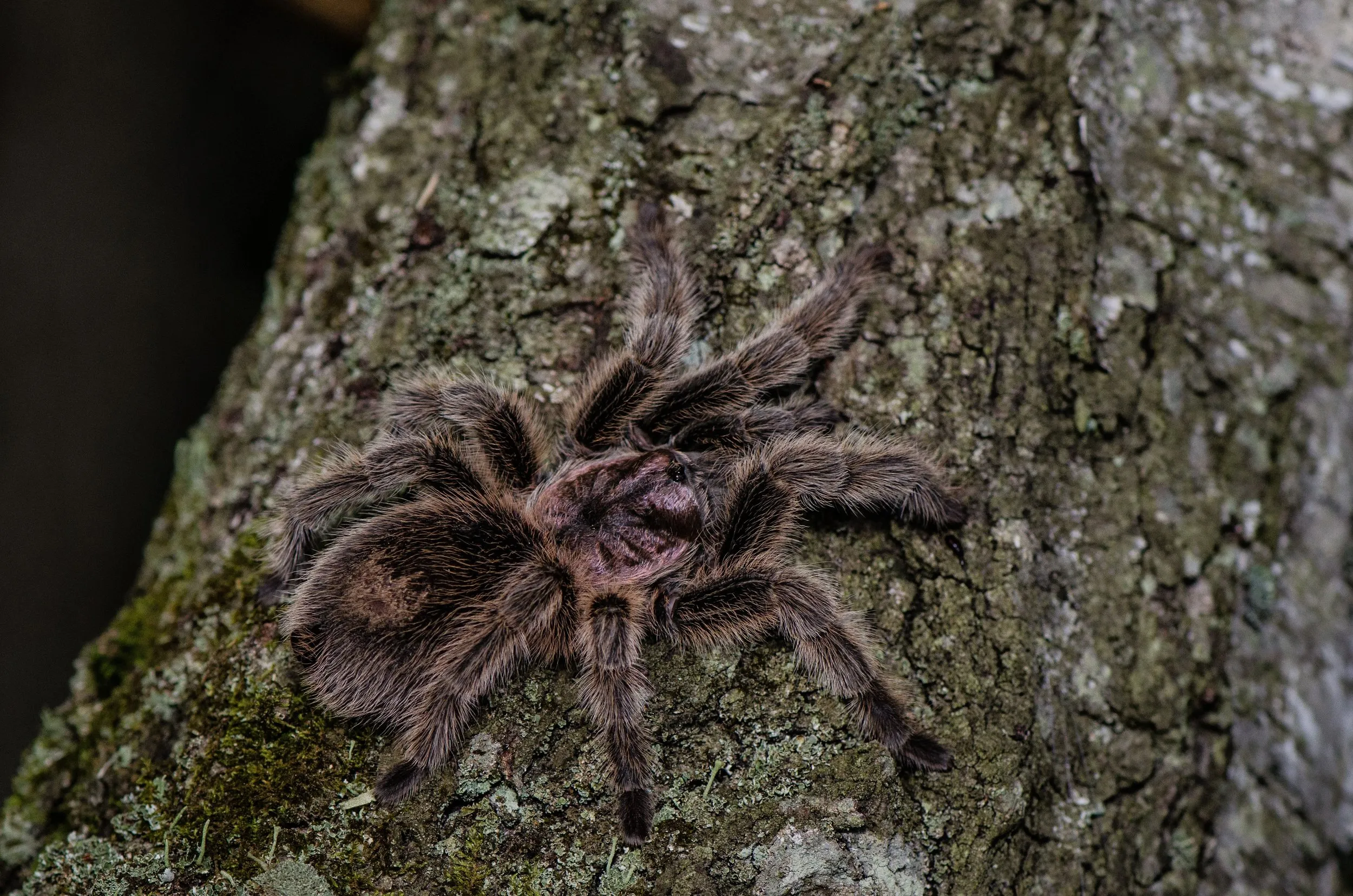
Understanding Tarantula Playtime
Contrary to popular belief, tarantulas, despite their solitary nature, can benefit from a form of ‘playtime’ that promotes their well-being. This doesn’t mean traditional games, but rather, carefully designed interactions and environmental enrichment that stimulates their natural behaviors. Understanding this concept is the first step to providing a happier and healthier life for your eight-legged friend. Playtime for a tarantula isn’t about chasing a ball, but about creating opportunities for exploration, hunting, and mental stimulation within a safe and controlled environment. By understanding their needs and behaviors, you can make playtime a valuable and enjoyable experience for your tarantula, as well as an enriching one for yourself. This guide will delve into how you can safely and effectively provide such an experience, turning everyday care into an engaging activity.
Why Engage in Tarantula Playtime
Engaging in ‘playtime’ with your tarantula isn’t just about entertainment; it’s an essential aspect of responsible pet ownership. The primary goal is to cater to the tarantula’s natural instincts. In their natural habitat, tarantulas are constantly exploring, hunting, and responding to environmental changes. In captivity, it’s crucial to replicate these experiences to prevent boredom and the development of stress-related issues. By providing controlled playtime, you’re not only ensuring the physical health of your tarantula, but also promoting their mental well-being. Stimulating a tarantula helps reduce the likelihood of behaviors such as excessive hiding, refusal to eat, or other signs of distress, thus increasing its lifespan and overall happiness. Understanding why playtime matters is the first step to a flourishing pet tarantula.
Benefits of Playtime for Tarantulas

The advantages of providing controlled playtime for your tarantula are numerous. First and foremost, it promotes physical health by encouraging movement and exploration. This can prevent muscle atrophy and other health issues associated with a sedentary lifestyle. Additionally, playtime provides essential mental stimulation. Tarantulas, like any creature, need to engage their senses and intellect to remain healthy. Playtime can help ward off boredom and stress that could result in a decreased quality of life. Enrichment activities encourage natural behaviors like hunting and exploring, promoting a happier disposition. Providing your tarantula with these experiences ensures a better quality of life and can increase their lifespan by contributing to a healthier, more engaged lifestyle. This, in turn, fosters a more fulfilling life for both you and your pet.
Top 7 Playtime Tips for Tarantulas
Creating a Safe Play Area
The safety of your tarantula is paramount during playtime. Before any interaction, prepare a secure play area. This should be a controlled environment, ideally a large, escape-proof enclosure or a dedicated space within their existing habitat. Ensure the area is free of potential hazards like sharp objects, toxic substances, and areas where the tarantula could fall and injure itself. Consider the substrate; a soft, natural material like coco fiber provides a good grip for the tarantula and allows for burrowing, which can be a stimulating activity. Temperature and humidity levels within the play area should be carefully monitored to match the tarantula’s specific needs. Proper planning will provide a stress-free and safe environment.
Choosing the Right Toys

The ’toys’ for your tarantula should be selected with care. The aim isn’t to entertain the tarantula in the same way you’d entertain a dog or cat; instead, it’s about providing opportunities for exploration and natural behaviors. Small, non-toxic objects like cork bark pieces, smooth stones, or even empty, clean food containers can be excellent additions to a play environment. Another good toy idea includes live or fake insects that mimic natural prey. When choosing items, prioritize safety, ensuring they are not small enough to be ingested or have sharp edges that could cause injury. Furthermore, consider toys that provide varied textures and structures, fostering different exploration experiences. The right toys will stimulate the tarantula’s interest and facilitate natural behaviors like hiding, climbing, and hunting.
Supervising Playtime
Supervision is essential during playtime. Never leave your tarantula unattended in the play area. Constant monitoring allows you to respond quickly to any issues, such as escape attempts or signs of stress. Observe the tarantula’s behavior closely, looking for any indications of discomfort, fear, or aggression. Keep the playtime sessions short, as overstimulation can be harmful. A few minutes of interaction can be very beneficial. Having a safe and secure environment is crucial. Always be prepared to intervene and end the session if the tarantula shows any signs of distress. The objective is to ensure that playtime is a positive and enriching experience, not a stressful one. Therefore, supervision is not just recommended; it is critical.
Recognizing Tarantula Behavior
Understanding tarantula behavior is critical for a positive playtime experience. Learn to recognize signs of stress, such as rapid movements, defensive postures, or fleeing behavior. A tarantula that feels threatened may raise its front legs, flick hairs (urticating hairs), or adopt a threat posture. On the other hand, a relaxed tarantula will move calmly, explore its surroundings, and may even show interest in the provided objects. Pay attention to subtle cues, such as body language, posture, and movement patterns. This knowledge will help you interpret your tarantula’s needs and adjust the playtime session accordingly. By observing the tarantula carefully, you can create a fun and safe environment.
Dealing with Escape Attempts

Even with a well-designed play area, escape attempts can occur. If your tarantula tries to escape, remain calm. Avoid sudden movements or loud noises that could startle the tarantula. Gently guide it back into the play area, using a soft brush or by placing the container in front of it, allowing it to crawl back. If the tarantula is hesitant to return, reassess the environment, making sure there are no immediate threats, and that the space is safe and comfortable. The goal is to minimize stress and ensure that the tarantula feels secure. If escape attempts persist, it may be a sign that the tarantula is feeling stressed or that the play area is not suitable. Adjust the environment and provide a more secure habitat to prevent this.
Handling and Interaction
Handling tarantulas is a topic of debate, and it’s best to avoid it unless necessary, and only if your tarantula is accustomed to it. If you choose to handle your tarantula, approach it with caution and respect. Never grab or force it to move. Allow the tarantula to walk onto your hand or a soft object. Handle the tarantula close to the ground, so it won’t fall from any significant height. Be very gentle. Wash your hands before and after handling to remove any scents that could disturb the tarantula. Always pay close attention to your tarantula’s behavior, and if it shows signs of stress, such as flicking hairs or raising its front legs, immediately end the interaction. Remember that the goal of playtime is to increase the tarantula’s well-being.
Cleaning Up After Playtime
After playtime, it’s important to clean the play area thoroughly. Remove any uneaten food items, waste, or shed exoskeletons. Check all the objects and the substrate for any signs of contamination. The goal is to maintain a clean and hygienic environment to prevent the spread of diseases. If you used any live insects for playtime, ensure none have escaped. Regularly disinfect the play area to kill any bacteria or parasites. By practicing thorough cleaning and maintenance, you ensure the health and safety of your tarantula, reinforcing your commitment to its well-being and contributing to a positive and safe environment. This is an essential part of making playtime both enjoyable and beneficial.
Important Considerations

Toxicity and Safety
Tarantulas can be sensitive to certain substances. Be extremely careful about introducing any potentially toxic items into the play area. Avoid using harsh chemicals or cleaning agents, as these can harm your tarantula. Always ensure that any toys or decorations are non-toxic and safe for animals. Additionally, be aware of the potential for allergic reactions if you have other pets in the house. Make sure that the play area is separate from other pets or any substances that could be harmful to your tarantula. Always prioritize safety and minimize any potential risks that could harm your tarantula. If in doubt, research and err on the side of caution.
Common Mistakes to Avoid
Several common mistakes can undermine a tarantula’s playtime experience. One of these is overstimulation. Avoid prolonged playtime sessions, as they can lead to stress. Another mistake is introducing sudden changes to the environment or using loud noises, as these can startle and upset your tarantula. Never force interaction or handling, especially if the tarantula shows resistance. Improper housing or inadequate space can also diminish the effectiveness of playtime. Avoid overcrowding or introducing items that create discomfort. By recognizing these pitfalls and avoiding them, you’ll provide a safer, more enriching experience, increasing the enjoyment for your tarantula and its longevity.
Ensuring a Happy Tarantula

Ultimately, the goal of playtime is to ensure your tarantula is happy and healthy. Regularly observe your tarantula’s behavior and make adjustments to its environment as needed. Provide a variety of enriching activities and opportunities for exploration. The best way to ensure a happy tarantula is to create a safe, stimulating environment that caters to its natural behaviors. Ensure proper temperatures, humidity levels, and access to fresh water. Regularly clean its habitat and monitor the tarantula for signs of stress or illness. With patience, care, and understanding, you can provide a fulfilling life for your eight-legged friend.
Playtime Variations
Interactive Play Ideas
There are various ways to make playtime engaging for your tarantula. One idea is to introduce different types of substrates or objects for exploration. You can create tunnels, add different textures, or incorporate objects that encourage natural behaviors, such as hunting or hiding. You might also introduce live or fake prey. Ensure that the prey items are safe and appropriate for your tarantula’s size. Another idea is to rearrange the habitat periodically. This can stimulate your tarantula and prevent boredom. By varying the environment, you will offer your pet new experiences.
Enrichment Activities

Enrichment activities are essential for a tarantula’s well-being. These can range from simply rearranging the habitat to introducing new objects or substrates. For example, you could provide a small, shallow dish of water to encourage drinking or a hideaway to provide security. If you have a burrowing tarantula, you could provide a substrate that encourages burrowing. For hunting enrichment, you could introduce a few live insects. Always observe the tarantula’s behavior and adjust the activities as needed. The aim is to create a stimulating environment that fulfills the tarantula’s natural needs and promotes its overall well-being.
Final Thoughts
Incorporating playtime into your tarantula’s routine can significantly enhance its quality of life. By understanding your tarantula’s needs and providing a safe, stimulating environment, you can create a fulfilling experience for your pet. Remember, playtime is not about entertainment; it is about providing opportunities for your tarantula to engage in natural behaviors and thrive. With careful planning, observation, and a commitment to your tarantula’s well-being, you can create an enriching environment that promotes a happy and healthy life. Enjoy the unique experience of caring for these fascinating creatures and appreciate the subtle joys of tarantula playtime.