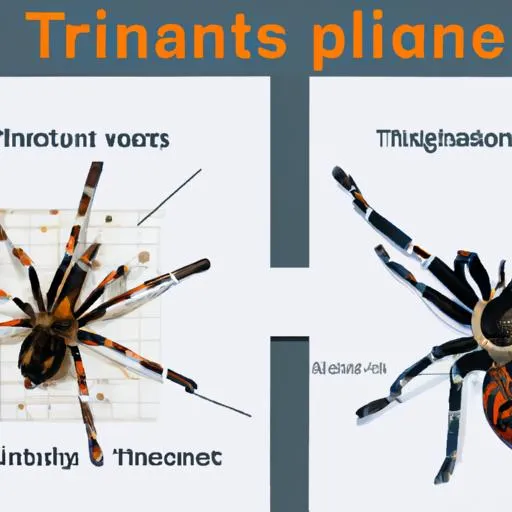
Tarantula Habitats Top 5 Facts
Tarantulas, fascinating creatures of the arachnid world, are not just confined to pet stores and exotic displays. These spiders are incredibly diverse, thriving in a wide array of habitats across the globe. Understanding their natural environments is key to appreciating their survival strategies and the threats they face. This article delves into the top 5 facts about tarantula habitats, exploring their preferred environments and the challenges they encounter. From the lush rainforests to the arid deserts, tarantulas have adapted remarkably to their surroundings, showcasing nature’s ingenuity. Their existence depends on the delicate balance of their ecosystems and understanding these needs is important.
Diverse Tarantula Habitats
Tarantulas are found on every continent except Antarctica, demonstrating their remarkable adaptability. Their habitats vary widely, encompassing tropical rainforests, arid deserts, grasslands, and even some temperate regions. This diversity highlights the spiders’ ability to survive in drastically different conditions, from high humidity and temperatures to extreme dryness and fluctuating climate. The specific habitat preferences depend heavily on the species of tarantula. Some are arboreal, living in trees, while others are terrestrial, burrowing underground or inhabiting ground-level environments. The diverse habitats underscore the tarantula’s adaptability and the unique evolutionary paths taken by different species across the globe.
Tropical Rainforests and Tarantulas

Many tarantula species call the tropical rainforests of South America, Southeast Asia, and Africa home. These environments offer high humidity, consistent temperatures, and a rich abundance of prey. The dense vegetation provides ample cover from predators, while the humidity is essential for tarantulas, who need to maintain their moisture levels to survive. In these environments, they can be found in leaf litter, under logs, or in burrows dug into the forest floor. The rich ecosystem supports a wide array of insects and small animals that serve as the primary food source for tarantulas, making the rainforest a prime habitat for many species. (Image: tarantula-in-rainforest.webp)
Deserts and Tarantulas Adaptations
Desert tarantulas have evolved remarkable adaptations to survive in harsh, arid environments. They are often nocturnal, emerging from their burrows at night to avoid the scorching daytime heat. Their burrows provide a cool, humid microclimate, critical for preventing dehydration. These spiders have developed efficient water conservation techniques, such as minimizing water loss through their exoskeletons and extracting moisture from their prey. The ability to go without water for extended periods is another key adaptation. Their color also plays a role, as lighter-colored tarantulas reflect more sunlight, helping them stay cooler. (Image: desert-tarantula.webp)
Grasslands and Tarantulas
Grasslands also provide habitats for certain tarantula species. These environments offer a mix of challenges and opportunities. While the open spaces expose tarantulas to more predators, the dense vegetation provides cover. Many grassland tarantulas are burrowers, constructing elaborate underground homes to escape the elements and ambush prey. They are often well-camouflaged to blend in with their surroundings, employing colors and patterns that match the grasses and soil. The availability of insects and small invertebrates in grasslands supports the tarantula populations in these habitats, offering a sustainable food source.
Burrowing Behavior

Burrowing is a common behavior among terrestrial tarantulas, regardless of their specific habitat. These burrows provide shelter from predators, extreme temperatures, and direct sunlight. They also serve as a secure place to molt, lay eggs, and ambush prey. The depth and complexity of the burrows can vary depending on the species and the characteristics of the soil. Some tarantulas line their burrows with silk to stabilize the walls and create a more comfortable living space. Burrowing is a critical survival strategy, contributing significantly to the tarantulas’ ability to thrive in diverse environments. (Image: tarantula-burrow.webp)
Tarantula Habitat The Importance of Humidity and Temperature
Humidity and temperature are crucial factors in tarantula habitats, directly impacting their health and survival. These spiders need specific environmental conditions to thrive. Maintaining the proper levels of humidity prevents dehydration, which can be fatal, and helps facilitate the molting process. Temperature also plays a vital role, influencing their metabolism, activity levels, and reproductive success. Understanding and replicating these conditions in captivity is critical for the well-being of pet tarantulas, and in the wild, any disruption to these parameters can severely impact their populations.
Optimal Humidity Levels
Humidity needs vary depending on the tarantula species and its natural habitat. Rainforest species generally require higher humidity levels, often around 70-80%, while desert species may need lower humidity, around 50-60%. Regular misting of the enclosure or providing a water dish are common methods for maintaining humidity. Monitoring the humidity with a hygrometer is also recommended to ensure the environment stays within the optimal range. Proper humidity is essential for the spiders’ respiratory function, shedding process, and overall health. (Image: tarantula-humidity.webp)
Ideal Temperature Ranges

Tarantulas thrive within a specific temperature range. Most species do well in temperatures between 75-85°F (24-29°C). Providing a slight temperature gradient within the enclosure can benefit the spider, allowing it to regulate its body temperature. Heating pads or lamps are sometimes used to maintain the desired temperature, but it’s essential to monitor the temperature carefully to prevent overheating. Temperature directly affects the spiders’ metabolism, digestion, and activity level. Consistent temperatures within the ideal range are crucial for their health, feeding habits, and reproductive success.
Predators and Prey
Tarantulas are both predators and prey, playing a significant role in their ecosystems. Their diet primarily consists of insects, but they can also consume small vertebrates like lizards, frogs, and even small birds. As predators, tarantulas help control insect populations. Conversely, tarantulas are preyed upon by various animals, including birds, snakes, lizards, and other arachnids. Understanding the predator-prey relationships within their habitat is critical for understanding the tarantula’s place in the food web and the potential threats it faces. (Image: tarantula-predators.webp)
Defensive Mechanisms
Tarantulas have evolved a variety of defensive mechanisms to protect themselves from predators. These include urticating hairs, which they flick off their abdomens to irritate attackers, and venomous bites, which are primarily used to subdue prey but can also serve as a defense. Some species also possess aposematic coloration, warning predators of their toxicity. Their ability to quickly retreat into their burrows or use their size to intimidate predators are further defense mechanisms. These adaptations have helped tarantulas survive in diverse environments despite the constant threat of predation.
Camouflage Techniques

Camouflage is a crucial survival strategy for many tarantula species, allowing them to blend seamlessly with their surroundings and avoid detection by both predators and prey. They exhibit a range of colors and patterns that match their habitat, from the earthy browns and tans of desert species to the vibrant greens and blacks of rainforest dwellers. Some species even mimic the appearance of leaves or bark, further enhancing their camouflage. This natural camouflage is essential to their survival, providing an advantage in the struggle to find food and avoid becoming a meal themselves. (Image: tarantula-camouflage.webp)
Impact of Habitat Loss on Tarantula Populations
Habitat loss is a significant threat to tarantula populations worldwide. Deforestation, urbanization, and agricultural expansion are destroying and fragmenting their natural habitats, leaving many species with shrinking territories. Habitat degradation leads to reduced food availability, increased exposure to predators, and a decline in overall biodiversity, all of which can negatively impact tarantula populations. Conservation efforts are essential to protect and restore tarantula habitats, ensuring these fascinating creatures continue to thrive in the wild. Supporting sustainable practices and raising awareness about the importance of preserving their environments is important.
In conclusion, the habitat of a tarantula is a critical factor in its survival and the overall tarantula population. Their adaptability to various environments is a testament to the resilience of these creatures. However, the threats posed by habitat loss and climate change are significant concerns. Protecting and preserving tarantula habitats are crucial steps to ensure the survival of these amazing spiders and the biodiversity of the ecosystems in which they live. Understanding their needs and supporting conservation efforts is an investment in the future of these creatures.