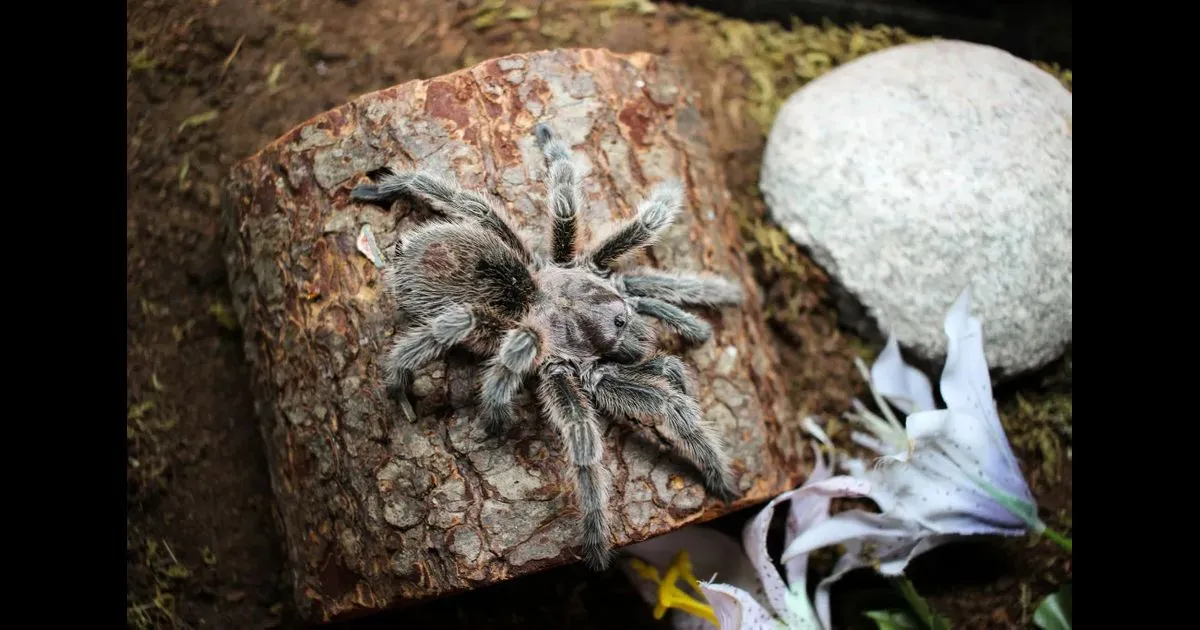
Understanding Tarantula Hair Flicking
Tarantula hair flicking, also known as urticating hair defense, is a fascinating and crucial aspect of tarantula behavior. This defense mechanism is employed by many New World tarantula species as a way to protect themselves from potential predators. Understanding this behavior is paramount for any tarantula owner or enthusiast. Knowing the ‘why’ and ‘how’ of this defense strategy ensures safer handling practices and a better understanding of your eight-legged companion. This guide will delve into the details of hair flicking, providing you with the knowledge to handle and care for your tarantula effectively while minimizing any potential risks associated with their natural defense mechanisms.
What is Urticating Hair?
Urticating hairs are specialized hairs found on the abdomen of many New World tarantula species. These hairs are not like the typical hairs found on mammals; instead, they are modified and designed to act as a defense mechanism. They are typically barbed and extremely irritating upon contact with skin or mucous membranes. The structure of these hairs varies between species, with some having a fine, almost microscopic structure, and others being more robust. The effectiveness of these hairs is what makes this defense strategy so successful against threats in the wild and provides valuable information about appropriate care and handling for pet tarantulas. When a tarantula feels threatened, it will use its legs to flick these hairs towards the perceived threat.
The Purpose of Urticating Hairs

The primary purpose of urticating hairs is defense. These hairs are a deterrent against predators, serving as a non-lethal yet highly effective way to ward off threats. When a tarantula feels threatened, it will use its hind legs to flick these hairs toward the source of the threat. These hairs embed themselves in the skin or mucous membranes of the predator, causing intense itching, irritation, and inflammation. For a predator, this discomfort acts as a powerful discouragement, teaching it to avoid tarantulas in the future. In a pet environment, understanding the purpose of these hairs helps in creating a safe environment for both the tarantula and the owner by preventing any unnecessary triggers that could lead to hair flicking. This will help promote a good relationship between the pet and its owner.
Recognizing Tarantula Hair Flicking Behavior
Identifying the signs of impending hair flicking is crucial for avoiding an unwanted encounter with urticating hairs. Tarantulas often display specific behaviors just before they flick their hairs, providing a warning to observers. Recognizing these cues allows owners to react accordingly, minimizing the chances of exposure. This section details the typical signs a tarantula exhibits before releasing its defensive hairs, which ensures the safety of both the tarantula and the person interacting with it. Being aware of these behaviors will enhance your ability to interpret your tarantula’s body language and respond appropriately.
Signs Your Tarantula is About to Flick Hairs
Several behavioral cues indicate that a tarantula is about to flick its hairs. A common sign is the tarantula raising its abdomen and facing the potential threat. You might see the tarantula shifting its hind legs in a specific motion, preparing to detach and propel the hairs. Some tarantulas will also adopt a threat posture, standing their ground with legs spread wide, ready to strike. If the tarantula is in a burrow or a confined space, it might retreat to the back of its enclosure, exhibiting signs of distress. Paying close attention to these subtle signals can help you understand your tarantula’s mood and anticipate its actions, allowing you to avoid triggering its defensive mechanism. Regular observation and understanding of your specific tarantula’s behavior are essential for identifying these warning signs early.
Common Triggers of Hair Flicking

Certain situations and actions can trigger a tarantula to flick its hairs. Sudden movements or loud noises can startle a tarantula and provoke a defensive reaction. Any perceived threat, such as a sudden touch or the presence of a perceived predator, will also trigger a response. During molting, tarantulas are particularly vulnerable and sensitive; disturbances during this period can lead to hair flicking. Overhandling is another frequent cause, as prolonged or unnecessary contact can stress the tarantula. Inappropriate enclosure conditions, such as insufficient hiding places or improper temperatures, can also make a tarantula feel insecure and trigger its defensive behavior. Being aware of these triggers allows owners to create a stress-free environment, reducing the likelihood of hair flicking incidents and promoting a positive relationship with the tarantula.
Preventing Tarantula Hair Flicking
Preventing hair flicking is the best approach to ensuring a safe and positive experience when handling a tarantula. It involves creating an environment where the tarantula feels secure and comfortable and using handling techniques that minimize stress. This section will give you practical strategies for minimizing the risk of hair flicking, covering safe enclosure designs, handling guidelines, and actions to avoid. By implementing these measures, you can significantly lower the chances of your tarantula resorting to its defensive mechanism and maintain a harmonious relationship.
Creating a Safe Environment
The setup of your tarantula’s enclosure plays a critical role in preventing defensive behavior. The enclosure should be appropriately sized for the tarantula’s species and size, providing ample space to move and explore. A secure enclosure with a tight-fitting lid is essential to prevent escape, while also offering the tarantula a sense of security. Provide several hiding places, such as cork bark, artificial plants, or hides, where your tarantula can retreat when it feels threatened. Maintaining the appropriate temperature and humidity levels for the tarantula’s species is also essential, as incorrect conditions can cause stress. A well-designed enclosure that meets the tarantula’s needs significantly reduces its anxiety and the likelihood of hair flicking. Ensure that the enclosure is in a quiet area, away from loud noises and sudden movements.
Proper Handling Techniques

Handling tarantulas should be done with caution and only when necessary, as it is one of the leading causes of stress. Before handling, assess your tarantula’s mood; if it displays any signs of aggression, it’s best to leave it alone. Always handle your tarantula close to a soft surface, like a bed or a carpeted area, in case it falls. When handling, use slow and gentle movements, avoiding sudden gestures that could startle it. Avoid touching the tarantula from above, as this mimics a predator and can trigger a defensive response. If the tarantula seems stressed or agitated, gently return it to its enclosure. Remember that handling a tarantula is more for the owner’s enjoyment than the tarantula’s benefit, so always prioritize its well-being.
Appropriate Enclosure Setup
Setting up the right environment for your tarantula is vital for its well-being and can significantly reduce the chances of hair flicking. Choose an enclosure that suits the size and species of your tarantula, with adequate space for it to move freely. Provide a substrate that mimics its natural habitat; coco coir or peat moss are common choices that help maintain humidity. Incorporate appropriate hiding places, such as cork bark or artificial plants, to give your tarantula a sense of security. Make sure the enclosure has proper ventilation to prevent mold and maintain air quality. Regular cleaning and maintenance of the enclosure are also essential for a healthy environment. By setting up a well-designed enclosure, you can provide a stress-free environment that promotes your tarantula’s comfort and reduces the likelihood of defensive behavior.
Dealing with Urticating Hairs
Despite all precautions, exposure to urticating hairs can still happen. Knowing how to respond effectively when exposed can minimize discomfort and prevent more serious complications. This section offers practical advice on what to do if you are exposed to urticating hairs, how to remove them, and how to treat any resulting skin irritation. Having this information available will allow you to quickly and effectively deal with any contact with these hairs.
What to Do if You Are Exposed

If you suspect you’ve been exposed to urticating hairs, the first step is to remain calm and avoid rubbing the affected area, as this can spread the hairs further. The immediate reaction will be itching, which can be quite intense. Try to keep the area still to prevent the hairs from embedding deeper into the skin. The eyes are very sensitive; if they get exposed, immediately flush them with plenty of water or saline solution for at least 15 minutes. Wash the affected area thoroughly with soap and water. If you experience any severe symptoms, such as difficulty breathing or severe allergic reactions, seek immediate medical attention. Early action and the correct response can minimize the severity of the irritation and prevent more severe issues.
How to Remove Urticating Hairs
Removing the hairs as quickly as possible is essential to reduce irritation. The most effective methods involve removing the hairs from the skin. One approach is to use adhesive tape, such as packing tape or duct tape, to gently lift the hairs off the skin. Apply the tape to the affected area and remove it carefully, repeating this process until no more hairs are visible. Washing the area thoroughly with soap and water can help remove any remaining hairs. In the case of eye exposure, flushing with water is essential to remove the hairs. You may also use tweezers to gently remove any hairs that are easily accessible. Avoid scrubbing or scratching the area, as this can drive the hairs deeper into the skin.
Treating Skin Irritation
After removing the hairs, treating the skin irritation is crucial to alleviate discomfort. Calamine lotion or hydrocortisone cream can help reduce itching and inflammation. Apply these products as directed on the product packaging. Cold compresses or ice packs can also provide relief from itching and swelling. Over-the-counter antihistamines can reduce the allergic reaction. If the irritation is severe or if you develop a rash or blisters, consult a doctor. It is important to avoid scratching, as this can worsen the irritation and increase the risk of infection. Following these steps will help promote the healing process and ease the symptoms.
Long-Term Effects of Exposure

While exposure to urticating hairs is generally not life-threatening, it can lead to some long-term effects. The most common consequence is persistent skin irritation, which can last for several days or even weeks, depending on the sensitivity of the individual and the amount of exposure. In some cases, repeated exposure can lead to allergic reactions, which may become more severe over time. Some people may develop small, raised bumps or papules at the site of contact, which can itch. In very rare cases, severe reactions can lead to more serious health issues, especially if the hairs come into contact with the eyes or respiratory system. Understanding the potential for long-term effects underscores the importance of taking precautions to avoid exposure and seeking appropriate medical care if problems develop.
In conclusion, tarantula hair flicking is a natural defensive mechanism. Understanding it, knowing its triggers, and practicing preventive measures are essential for responsible tarantula ownership. Being well-informed allows you to appreciate your tarantula while minimizing risks to yourself. Always prioritize the well-being of your tarantula and your own safety. With knowledge and care, you can enjoy a fulfilling experience with these amazing creatures.