What is a Tarantula Hawk
The tarantula hawk, a formidable wasp species, is renowned for its impressive size, striking appearance, and the excruciating pain associated with its sting. These wasps belong to the family Pompilidae and are specifically known for their parasitic behavior, targeting tarantula spiders as hosts for their larvae. The term “tarantula hawk” encompasses several species, but they all share this distinctive hunting strategy and are found in various regions, including the southwestern United States and parts of Virginia. Their life cycle is intricately linked to that of tarantulas, making them a fascinating subject of study in entomology. Beyond their hunting prowess, tarantula hawks also play a role in their ecosystems, and understanding their behavior sheds light on the delicate balance of nature. They are a clear example of the diverse and sometimes brutal world of insects.
Appearance and Identification
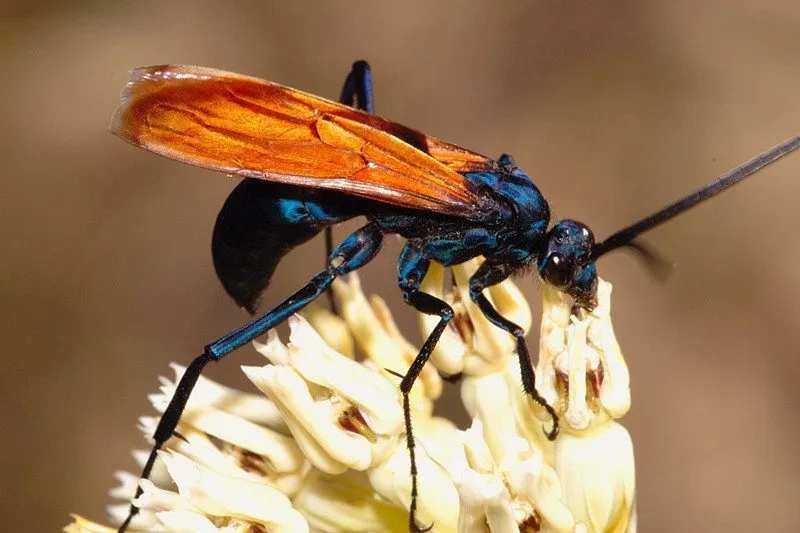
Identifying a tarantula hawk involves observing several key characteristics. They are typically large wasps, often exceeding an inch in length, with a striking appearance that serves as a warning to potential predators. Their body is usually a dark color, often black or dark blue, with vibrant orange or rust-colored wings. The contrast between the dark body and bright wings is a key identifier. Additionally, their legs are often spiny and adapted for digging and grasping. These wasps possess a strong, robust build, perfectly suited for their hunting lifestyle. When observing one, note the bright colors, the robust build, and the size to help in identification. Accurate identification is crucial because their sting is infamously painful, and it’s best to admire them from a safe distance.
Distinguishing Features

The most distinguishing features of a tarantula hawk are their size and the distinctive coloration. Unlike many other wasps, they are considerably larger, often twice the size of a typical wasp. Their wings have a reddish-orange hue, which contrasts sharply with their black or dark blue bodies. Also, the antennae are long and slender, which help them in navigation and sensing their environment. These wasps also possess powerful mandibles for grasping and manipulating their prey. The combination of these physical characteristics, along with the habitat in which they are found, makes them relatively easy to identify, even at a distance. The striking coloration is a warning signal, alerting potential predators to their potent sting.
Size and Color Variations
While the general appearance of tarantula hawks remains consistent, there can be slight variations in size and color. The size can fluctuate depending on the species and the availability of resources during the larval stage, with females generally being larger than males. The wing color may vary from a bright rust to a more subtle orange, and the body color can range from a deep black to a dark blue. These variations can be subtle, and the overall size and the contrast between the body and wing color are critical for identification. Variations can also be seen based on the species, with certain species having darker wings or different shades of orange. Even with these differences, the large size and contrasting colors make them easily recognizable in their habitats.
Habitat and Distribution
Tarantula hawks have a preference for warm, arid environments, which is why they are commonly found in the southwestern United States. They thrive in areas with sandy soil, where tarantulas are abundant, and where they can dig nests. Their habitats extend to open areas such as deserts, grasslands, and scrublands. You can also find them in areas with a good amount of sunlight and shelter. The distribution of tarantula hawks is largely dictated by the presence of their primary prey, the tarantula. Suitable habitats provide both the necessary prey and the right conditions for nesting. The type of vegetation and the soil composition are significant factors that affect their habitat preference, and Virginia’s habitats may vary compared to the Southwestern regions.
Virginia Specific Habitats

While tarantula hawks are not as prevalent in Virginia as they are in the Southwest, they do exist in the state, though they have different habitat preferences. In Virginia, they tend to occupy drier, more open habitats, such as areas with sandy or well-drained soils, which are essential for nesting. You’re more likely to find them in regions with a warmer climate or during warmer months. These areas often include fields, meadows, and sparsely wooded regions that support tarantulas. However, their numbers in Virginia are relatively small compared to the Southwest, so they are less commonly encountered. In Virginia, focus on finding well-drained soil and a warm habitat during the right season to find a tarantula hawk.
Nesting Behavior
The nesting behavior of the tarantula hawk is a key element of their life cycle. Female tarantula hawks dig burrows in the ground, often in sandy or well-drained soil. These burrows serve as a chamber to host their prey, the tarantula spider, and also to lay their eggs. The female carefully excavates the burrow and creates a cell large enough to accommodate the immobilized tarantula. After stinging and paralyzing the tarantula, she drags it to the burrow, lays an egg on the spider’s abdomen, and seals the chamber. The wasp larva hatches and feeds on the living, but paralyzed, tarantula. This process ensures the larva has a fresh and readily available food source. The meticulous nature of the nesting process highlights the tarantula hawk’s remarkable adaptations for survival.
Diet and Hunting Strategies
The primary diet of the tarantula hawk larva consists of the paralyzed tarantula spider, but the adult wasps have a different diet. Adult tarantula hawks feed on nectar from flowers, using their proboscis to extract the sugary liquid, and they are a vital component of the pollination process. Their hunting strategies for tarantulas are what make them so fascinating. Female tarantula hawks meticulously search for tarantula burrows or actively pursue tarantulas on the move. They use their powerful sting to paralyze the spider before dragging it to their nest. The adult diet allows them to conserve energy while also supporting their need for reproduction. The diverse diet and hunting skills illustrate the tarantula hawk’s ability to adapt and thrive in various environments.
Tarantula Hawk Prey

As their name implies, the primary prey of the tarantula hawk is tarantula spiders. These large spiders are a significant food source for the wasp larvae. Tarantula hawks are highly specialized predators, and tarantulas are often the sole source of food for their young. The size of the tarantula varies based on location, but these spiders present a significant challenge to the wasp. The tarantula provides a substantial meal for the wasp larva, ensuring its proper growth and development. The wasp’s survival is directly tied to the presence of tarantulas, and the hunting and consumption of these spiders are essential for the continuation of the tarantula hawk species.
Hunting Techniques
Tarantula hawks exhibit incredible hunting techniques to capture their prey. They employ a combination of stealth, strategy, and brute force. When a female wasp locates a tarantula, she often uses a combination of stalking and direct confrontation. The wasp will aggressively attack the spider, trying to deliver a paralyzing sting. The sting is precisely aimed at the nervous system to ensure the tarantula becomes immobile. After paralyzing the spider, the wasp then drags the spider to her prepared nest. The wasp must navigate the spider back to its burrow, which may involve considerable effort due to the spider’s weight and the challenging terrain. The hunting process is a display of the wasp’s remarkable adaptations and hunting prowess.
The Sting and Its Effects
The sting of a tarantula hawk is infamously known for its extreme pain. The venom injected by the wasp contains a neurotoxin that causes intense, immediate pain. The sting is often described as one of the most painful insect stings, and it can last for several minutes. The venom affects the nervous system, causing a localized, burning sensation that can radiate throughout the body. While the pain is severe, the sting isn’t usually life-threatening to humans. The effects of the sting depend on the individual’s sensitivity and the amount of venom injected. However, the primary concern is the intense pain that causes significant discomfort. The intensity of the pain is believed to be a defensive measure, deterring predators from attacking the wasp.
Pain and Recovery

The pain from a tarantula hawk sting is immediate and intense. The pain has been described as excruciating, and it can incapacitate a person for a short time. The intensity is due to the neurotoxins in the venom, which target the nervous system. While the pain subsides after a few minutes, some people might experience lingering symptoms, like localized swelling, redness, and tenderness. It is vital to stay calm and seek medical advice if the reaction is severe. The best course of action involves finding a safe place to rest and avoiding any strenuous activity while the effects of the sting subside. Most people recover fully within a few minutes, but some may experience a lingering sensitivity at the sting site for a few hours.
First Aid and Precautions
If stung by a tarantula hawk, the priority is to remain calm. The immediate pain will be intense, but it will gradually subside. The first step is to move away from the area where the stinging occurred, to avoid being stung again. It is advised to remove any jewelry or tight clothing around the sting site. While there is no specific antidote for the sting, over-the-counter pain relievers, such as ibuprofen, can help manage the pain. Applying an ice pack can reduce swelling and soothe the affected area. It’s essential to avoid scratching the sting site. Seek medical attention if you experience severe symptoms, such as difficulty breathing, dizziness, or widespread swelling. Always take precautions in areas where these wasps are known to exist, and avoid provoking them.
Life Cycle and Reproduction
The life cycle of the tarantula hawk is fascinating, revolving around their parasitic relationship with tarantula spiders. The cycle starts with the female wasp, who hunts and paralyzes a tarantula. She then drags the spider to a prepared nest or burrow, lays a single egg on the spider’s abdomen, and seals the nest. The wasp larva hatches and begins to feed on the still-living, but paralyzed, spider. The larva will consume the spider from the outside, preserving the vital organs until last, which allows the larva to stay fed for an extended time. Once the larva is fully grown, it pupates within the spider’s body, eventually emerging as an adult wasp, completing the cycle. The entire process, from egg to adult wasp, takes several weeks or months, with the duration depending on environmental conditions.
Mating Rituals

The mating rituals of tarantula hawks are an important part of their life cycle. Males patrol areas in search of females. When a male finds a female, they engage in a courtship display. The males often display territorial behavior, defending their territory from other males. Mating takes place when the male successfully attracts the female. After mating, the female wasp then begins the hunting process, starting the cycle of reproduction. The males have the primary goal of finding and mating with a female to ensure the continuation of the species. The mating rituals are short, but essential for the tarantula hawk’s reproduction.
Larval Stage and Development
The larval stage is a critical phase in the tarantula hawk’s life cycle. After the egg hatches on the paralyzed tarantula, the larva immediately begins to feed on the spider. The wasp larva consumes the spider from the outside, avoiding the vital organs until the last, which allows the larva to stay well-fed for an extended time. It undergoes several molting stages. The larva grows significantly during this period. The duration of the larval stage varies depending on environmental factors. Once the larva is fully grown, it pupates inside the spider’s body. The final stage transforms the larva into an adult wasp, completing the cycle. The resources from the spider are crucial for the successful development of the larva.
Conservation Status and Threats
Tarantula hawks are generally not considered endangered, but their populations can face threats. Habitat loss and degradation are significant threats, as the loss of habitat can lead to a reduction in both the tarantula population and the availability of nesting sites for the wasps. The use of pesticides is also a concern, as it can directly affect the wasp population. Climate change can indirectly impact tarantula hawk populations, which affects the distribution of tarantulas. The wasps depend on the tarantula for survival. Continued habitat preservation and responsible pest management are crucial for sustaining tarantula hawk populations. Monitoring the populations and understanding the impact of environmental factors are essential for conservation efforts.
Natural Predators

Adult tarantula hawks have few natural predators due to their potent sting, which serves as a defense mechanism against potential threats. Birds, such as the roadrunner, may sometimes prey on the wasps, but this is not a regular occurrence. The wasps’ primary predators include other insects and parasitic flies. The larval stage, however, is more vulnerable. The egg and larva are susceptible to predation by ants and other insects. The parasitism by certain flies can also decimate the wasp population. The combination of few predators and a powerful defense mechanism gives tarantula hawks a significant advantage in their natural environment.
Conservation Efforts
Due to the general abundance of tarantula hawks, there are currently limited formal conservation efforts specifically targeting them. The focus lies on maintaining and preserving their habitat and supporting the overall health of the ecosystem where they thrive. Habitat conservation includes protecting native vegetation, limiting development in key areas, and promoting sustainable land management practices. Avoiding the use of harmful pesticides is also crucial. Supporting a healthy population of tarantulas is vital to the tarantula hawk’s survival. Educating the public about the wasps and their role in the ecosystem is also important. General conservation efforts indirectly benefit the tarantula hawks and maintain their habitats.
Interesting Facts and Trivia
The tarantula hawk’s life is filled with interesting facts and trivia that highlight its unique adaptations and behavior. They have the distinction of having one of the most painful stings in the insect world. The female wasps are known for their impressive hunting skills, while the males focus on patrolling territories and finding mates. The wasp can fly with a tarantula spider. The wasps also play a role in pollination, feeding on nectar from flowers and helping in the pollination process. The life cycle of a tarantula hawk is remarkable because it relies completely on the tarantula spider. These facts showcase the remarkable biology and the ecological significance of these fascinating wasps.
Unique Behaviors

Tarantula hawks showcase some unique behaviors that contribute to their survival and remarkable lifestyle. The female wasps exhibit complex hunting strategies to locate and paralyze tarantulas, a process that takes considerable skill and persistence. The way the wasps handle their prey is also remarkable, transporting them back to their burrows. Males show territorial displays and courtship rituals. The wasp’s unique ability to adapt to their environment, including their ability to survive in challenging habitats, also demonstrates their special characteristics. The different behaviors illustrate their survival mechanisms.
Cultural Significance
In some cultures, tarantula hawks have a cultural significance, often symbolizing courage, pain, and resilience. Their reputation for having an extremely painful sting has led to their association with the word. Some native cultures recognize the wasp as a symbol of strength and perseverance. The striking appearance of the tarantula hawk and their unusual behavior have also led to their inclusion in art. Although they are dangerous, these wasps can be found in video games, comic books, and other works. In addition, their ecological role, along with their unusual lifestyle, provides an important context for understanding the delicate balance of nature. They also bring awareness to the need to conserve the environment.