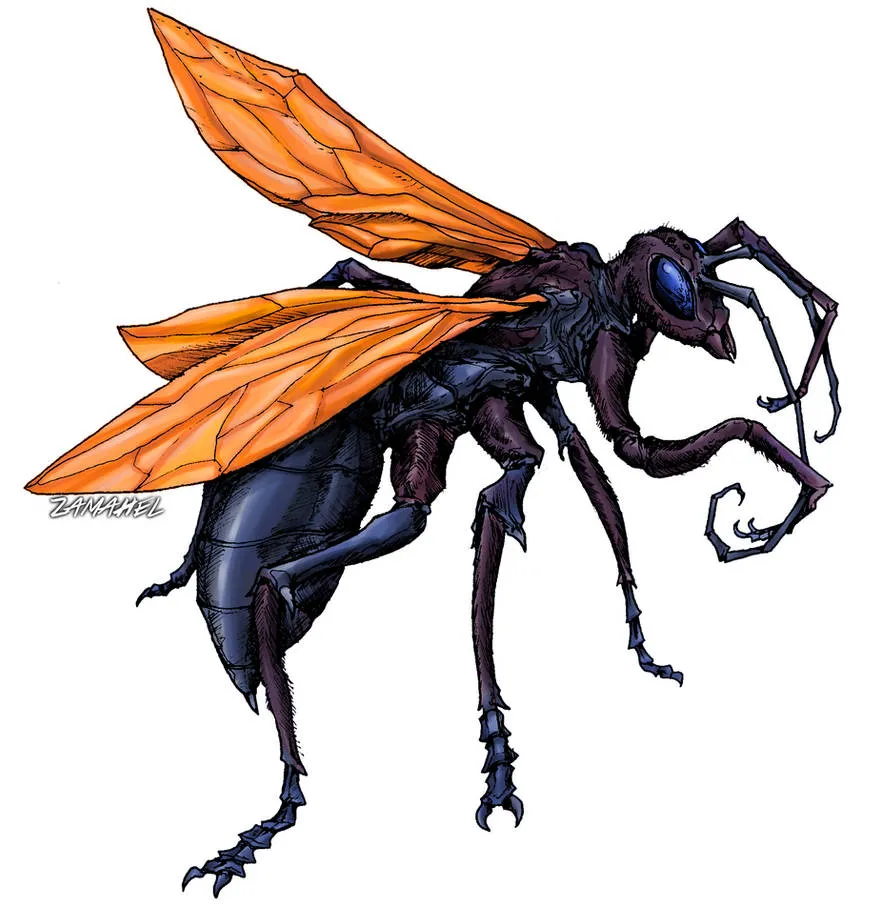
What is a Tarantula Hawk Wasp?
The tarantula hawk wasp is a formidable insect, renowned for its size, striking appearance, and incredibly painful sting. Found in various parts of the world, including Australia, these wasps are not for the faint of heart. Their primary claim to fame is their unique predatory behavior, specifically targeting tarantula spiders. These wasps are a fascinating subject of study for entomologists and a source of both awe and caution for anyone who encounters them. Their lifecycle and hunting habits are a testament to the intricate and often brutal realities of the natural world. Understanding these creatures involves recognizing their role in the ecosystem, appreciating their unique characteristics, and respecting their power.
Appearance and Identification
Identifying a tarantula hawk wasp is relatively straightforward, thanks to their distinctive appearance. They are typically quite large, with a body length that can reach up to 5 centimeters or more. Their coloration is striking; most species exhibit a metallic blue-black body and vibrant orange or rust-colored wings. This bold coloration serves as a warning to potential predators. When observing these wasps, look for the combination of these features: a robust body, long legs, and the characteristic color pattern. However, identifying the exact species in Australia might require careful observation as there are subtle variations among different populations. It’s advisable to consult with local guides or experts for precise identification.
Size and Coloration

The tarantula hawk wasps’ size is one of their most noticeable traits. They are among the largest wasps in the world, with females often being larger than males. Their size allows them to overpower tarantulas, which are many times their size. The coloration serves as a warning signal and is aposematic, meaning it alerts predators to the wasp’s potent sting. The bright colors, such as the combination of a black body and orange wings, are a clear signal to avoid these insects. This coloration helps to deter attacks, as predators learn to associate the vivid colors with the painful sting they deliver.
Distinguishing Features
Besides size and color, some features distinguish tarantula hawk wasps from other wasp species. They have long, powerful legs, which are used for grappling with tarantulas. Their antennae are also a bit longer than those of other wasps. The most critical distinguishing feature is their sting. Females possess a long, potent stinger that they use to paralyze their prey. The sting is considered one of the most painful in the insect world, earning the wasp its fearsome reputation. The overall robust build, combined with their sting, makes them easily identifiable.
Where to Find Tarantula Hawk Wasps in Australia?
In Australia, tarantula hawk wasps are found in specific regions, thriving in habitats that support their hunting and nesting behaviors. They are not uniformly distributed across the continent. Their presence is closely tied to the availability of tarantulas, their primary prey, and suitable nesting sites. Identifying these locations requires an understanding of the wasps’ preferences and the environment. It is also essential to approach them with caution, as encounters can be painful. Observing these wasps requires knowledge of their favored habitats and behaviors.
Geographical Distribution

The geographical distribution of tarantula hawk wasps in Australia is primarily concentrated in warmer regions. They are commonly found in the northern and eastern parts of the country, including Queensland, the Northern Territory, and northern parts of New South Wales. Their presence in these areas is due to the suitable climate and the abundance of their primary prey, tarantulas. While they may be seen in other parts of Australia, their populations are generally smaller. If you’re interested in observing them, focusing on these regions would provide the greatest chance of spotting them.
Preferred Habitats
Tarantula hawk wasps prefer habitats that provide ample sunshine, access to tarantulas, and suitable nesting locations. These habitats often include dry, open areas with sandy or loamy soils where they can dig their nests. They are frequently found in grasslands, scrublands, and occasionally in lightly wooded areas. These environments must also provide an adequate supply of nectar for the adult wasps to feed on. By understanding these habitat preferences, you can increase your chances of observing these amazing creatures in their natural environment.
Peak Activity Seasons
The activity of tarantula hawk wasps is closely tied to the seasons, with peak activity typically occurring during warmer months. In Australia, this means they are most active during the late spring and summer seasons. During this time, tarantulas are also more active, providing the wasps with an abundant food supply. This is also when the wasps are most likely to be seen engaging in mating behaviors. Observing them during the peak season provides the best opportunity to witness their natural behaviors, including hunting and nesting.
The Tarantula Hawk Wasp’s Diet

The diet of the tarantula hawk wasp is divided between the adults and the larvae. Adults feed primarily on nectar from flowers, which provides the energy they need. The larvae, however, have a much different diet, subsisting solely on tarantulas. The life cycle of this wasp is intricately linked to its diet, as the tarantula serves as both food and host for the larvae. Understanding these dietary habits gives insights into the wasp’s behavior and its place in the ecosystem. The wasps are vital predators and play a role in controlling tarantula populations, even though they are very painful.
Feeding Habits of Adults
Adult tarantula hawk wasps primarily feed on nectar from various flowering plants. This energy source provides them with the sustenance they need to fly, hunt, and reproduce. They are not dependent on tarantulas for their survival, making them less reliant on their prey than their larvae. Their choice of nectar source can vary, but they are often found visiting flowers in the grasslands and scrublands where they hunt. These feeding habits help them maintain their energy levels and support their various activities.
Larval Diet Tarantula Consumption
The larvae of the tarantula hawk wasp have a very specific and gruesome diet. They feed entirely on tarantulas. The female wasp paralyzes a tarantula with her sting and then drags it to a burrow, where she lays a single egg on the spider’s abdomen. When the egg hatches, the larva consumes the tarantula. The larva eats the spider alive, beginning with the non-vital organs and keeping the spider alive as long as possible. This feeding process is a crucial aspect of the wasp’s life cycle and illustrates its predatory nature.
The Life Cycle of the Tarantula Hawk Wasp

The life cycle of the tarantula hawk wasp is a fascinating process of metamorphosis, predation, and survival. It begins with the mating of adult wasps and proceeds through egg-laying, larval development, pupation, and finally, the emergence of the adult wasp. Each stage is crucial for the survival of the species and is tightly linked to the behavior of both the wasp and its prey. Understanding this cycle provides insight into the ecological role and fascinating behaviors.
Mating and Nesting
The mating process of tarantula hawk wasps is a crucial part of their life cycle. Males often patrol territories in search of females, and once a mate is found, they begin nesting. The female wasp, once she has mated, seeks out a tarantula, which she will sting to paralyze. After the tarantula is immobilized, she will drag it to a pre-dug nest or burrow. She then lays a single egg on the tarantula’s abdomen and seals the burrow. The paralyzed tarantula serves as food for the larva, which will develop and eventually emerge as an adult wasp.
The Sting One of the Most Painful
The sting of the tarantula hawk wasp is renowned for its excruciating pain. The pain from the sting is considered one of the most painful in the insect world, often described as a searing, electrical shock. The stinger is used to paralyze tarantulas, but it can also be deployed defensively if the wasp feels threatened. While the pain is intense, it typically subsides after a few minutes. The sting, however, serves as a vital tool for the wasp, enabling it to hunt and feed its larvae. It’s crucial to avoid provoking these wasps to prevent being stung, as the experience can be quite unpleasant.
Pain and Recovery

The pain from a tarantula hawk wasp sting is severe and immediate, often described as a burning sensation. The pain is usually localized to the sting site, although it can radiate outwards. While the pain itself is intense, it’s important to note that the venom is not usually life-threatening to humans. Recovery from a sting usually involves intense pain for a few minutes, followed by a slower reduction in pain over a few hours. If stung, it’s advisable to remain calm and avoid moving too quickly, as this can worsen the pain. Seeking medical attention is not usually necessary, but it’s always a good idea to monitor the situation.
Precautions and Safety
To avoid being stung by a tarantula hawk wasp, certain precautions should be taken. When in areas where these wasps are known to be present, it’s advisable to wear protective clothing, especially long sleeves and pants. Avoid sudden movements or actions that could be perceived as a threat. Be vigilant and aware of your surroundings. If you encounter a tarantula hawk wasp, it is best to slowly move away and avoid any attempts to disturb it. These insects are typically not aggressive and will only sting if they feel threatened. Being informed and taking appropriate precautions will help you appreciate and observe these wasps safely.
Conservation Status and Threats
Understanding the conservation status of the tarantula hawk wasp involves assessing the threats it faces and its role in the ecosystem. While not globally endangered, their populations can be affected by habitat loss and other environmental factors. Their presence or absence can provide valuable insights into the health of their environment. Protecting these wasps requires understanding their habitats, promoting conservation practices, and educating people about the importance of biodiversity. Conservation efforts help to ensure the survival of these wasps and maintain ecological balance.
Conservation Status and Threats

The conservation status of the tarantula hawk wasp in Australia is currently considered stable, however, as with many species, habitat loss is the major threat. Changes in land use, such as deforestation and urbanization, can reduce the availability of suitable habitats and, consequently, impact their populations. Pesticide use and climate change are potential threats that could indirectly affect these wasps by disrupting their food sources or altering their habitats. Conservation efforts are essential to help ensure that populations of tarantula hawk wasps in Australia remain healthy and protected. Monitoring their habitats and advocating for the conservation of these spaces are crucial for their long-term survival.