The tarantula hawk wasp, often mistakenly referred to as the tarantula hornet, is a formidable insect known for its impressive size, painful sting, and dramatic interactions with its prey. These creatures are not just fascinating from a biological perspective, but also inspire a mix of awe and fear due to their hunting behavior and potential impact on humans. This article delves into the world of the tarantula hornet, exploring its characteristics, behavior, and some of the most terrifying facts about this impressive insect.
What is a Tarantula Hornet
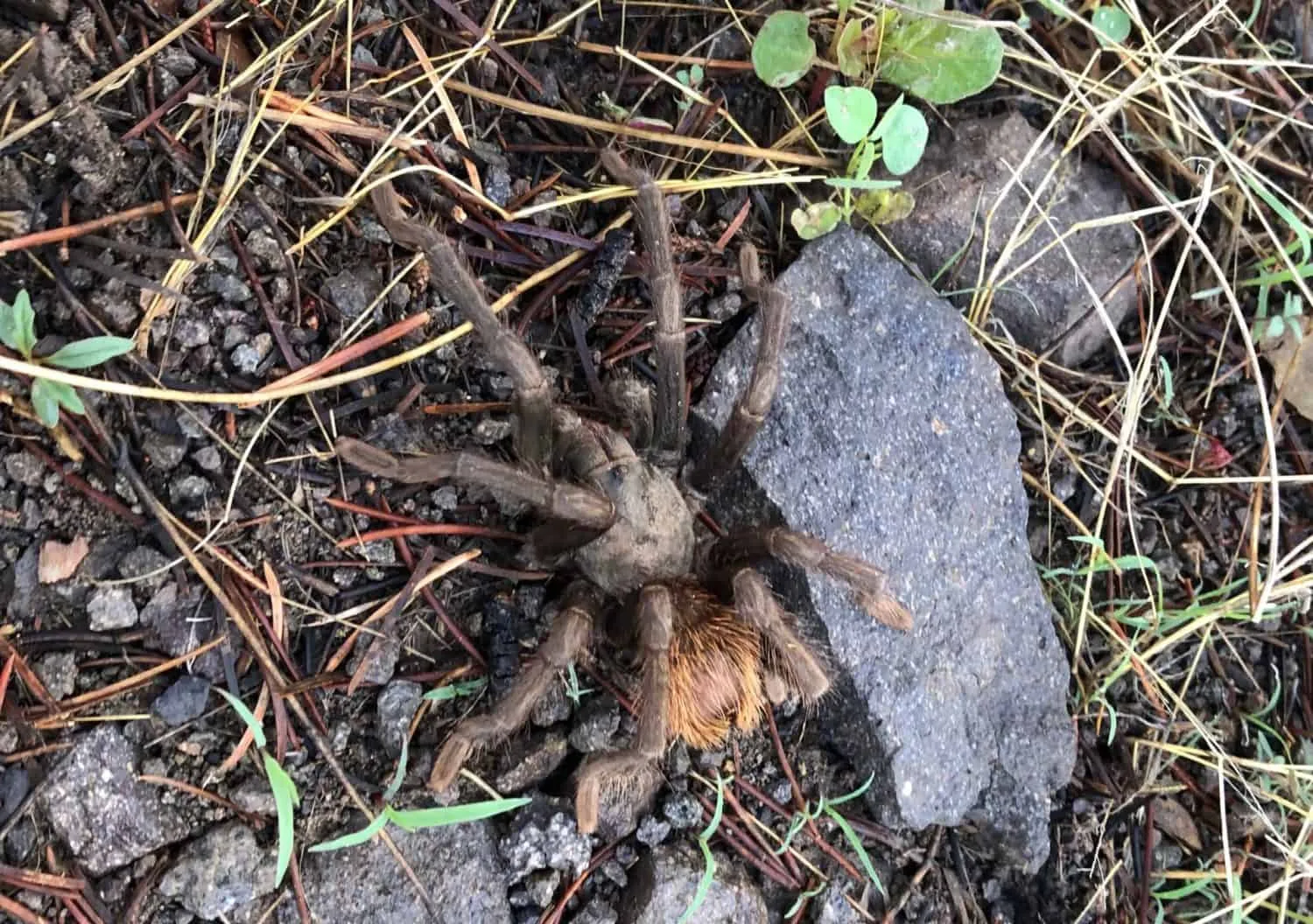
The tarantula hornet is a large species of spider wasp that is known for its remarkable size and unique predatory behavior. It’s a solitary wasp, which means that unlike social insects like bees or ants, they do not live in colonies. The primary purpose of the adult tarantula hawk wasp is reproduction. Females hunt tarantulas, which they then paralyze with their sting. They then drag the paralyzed spider to a burrow, lay a single egg on its abdomen, and seal the burrow. When the wasp egg hatches, the larva feeds on the paralyzed tarantula. The larva undergoes several stages of development, eventually pupating and emerging as an adult wasp, ready to repeat the cycle.
Appearance and Identification
Distinguishing tarantula hornets from other wasps is crucial for both identification and safety. They have a striking appearance that includes a dark body, often black or dark blue, and brightly colored wings, frequently a vibrant orange or rust color. These wasps are considerably large, with females often reaching lengths of up to two inches, making them one of the biggest wasps in the world. This size alone is a key identifying factor, alongside their distinctive coloration and the overall robust appearance of their body.
Size and Physical Characteristics

Tarantula hornets are among the largest wasps in the world. Female tarantula hawks are larger than males, and can grow up to 2 inches in length, with a wingspan that can extend up to 3 inches. Their powerful legs are adapted for digging and manipulating their prey. They also have a very potent stinger, which they use to paralyze their prey. The visual impact of such a large, brightly colored insect can be startling, contributing to the fear some people have of these creatures. This size and robust build are directly related to their hunting prowess and the type of prey they target.
Habitat and Distribution
Tarantula hornets are primarily found in the southwestern United States, particularly in arid and semi-arid regions. Their habitat preference includes areas with plenty of tarantula spiders, which are their main food source. They are also found in parts of Central and South America. These areas are characterized by dry climates, sandy soils, and the presence of suitable nesting sites. They prefer open spaces like deserts, scrublands, and grasslands, where they can easily hunt tarantulas and build their nests in the ground or pre-existing burrows.
Where They Live
The tarantula hornet’s preference for arid habitats dictates where they are most commonly found. They thrive in environments where their primary prey, tarantulas, are abundant. This typically means regions with sparse vegetation, sandy or well-drained soils, and warm temperatures. They construct nests in the ground, often in secluded locations under rocks or near vegetation. Understanding their habitat and distribution helps in predicting their presence and taking appropriate precautions, particularly in areas where human activity overlaps with their natural environment.
Tarantula Hornet Hunting Behavior

The hunting behavior of the tarantula hornet is one of the most captivating and, for some, terrifying aspects of this insect. The female wasp meticulously hunts tarantulas, targeting the spiders in their burrows or ambushing them as they move across the ground. Once a tarantula is located, the wasp engages in a high-stakes battle, carefully maneuvering to deliver a sting that will paralyze the spider. This strategy is not just about overcoming the prey; it’s about ensuring the tarantula remains alive but immobile, providing a fresh food source for the wasp larva.
Hunting Strategy
The hunting process of the tarantula hornet is an extraordinary display of predatory skill. Female wasps use their antennae to detect tarantulas, often by sensing the vibrations in the ground. The wasp then engages the spider in a confrontation, which often involves a series of dodges and strikes until the wasp finds the perfect moment to deliver its sting. They typically sting the tarantula in a nerve center to paralyze it. The wasp then drags the paralyzed spider, which can be several times its own size, to a pre-prepared burrow or nest, where it will lay its egg.
Prey Tarantulas and More
While the tarantula is the primary prey of the tarantula hornet, the wasps sometimes feed on nectar from flowers. The diet of the wasp larvae is exclusively the paralyzed tarantula. Once the egg hatches, the larva feeds on the still-living tarantula, consuming it slowly over several weeks, ensuring the spider remains fresh. The spider is an essential food source and a host for the wasp larvae, making the tarantula-hornet relationship a crucial part of their survival strategy. In some cases, other large spiders may be targeted if tarantulas are scarce.
The Tarantula Hornet Sting

The sting of the tarantula hornet is infamous for its intensity. According to the Schmidt sting pain index, it is ranked as one of the most painful insect stings, second only to the bullet ant. The primary purpose of the sting is to paralyze tarantulas, but it can also affect humans. The venom injected by the wasp is designed to quickly incapacitate its prey, allowing the wasp to transport the spider without resistance. This potency underscores the need for caution and understanding when encountering these insects.
Venom Composition
The venom of the tarantula hornet has a complex composition designed to quickly paralyze the central nervous system of its prey. The venom contains a mixture of neurotoxins that interfere with nerve transmission, effectively immobilizing the tarantula. While research on the exact composition is ongoing, the venom’s primary function is to induce paralysis, keeping the spider alive for the wasp larva to feed on. The effects of the venom are crucial to the wasp’s survival strategy, allowing it to successfully hunt and reproduce.
Effects of the Sting on Humans
The sting of a tarantula hornet on a human is notoriously painful, often described as excruciating and overwhelming. The immediate effects include intense pain, which can last for several minutes, and a throbbing sensation that can spread from the sting site. Although the sting is very painful, it is not typically life-threatening to humans, unless an allergic reaction occurs. Most people recover fully within a few hours, but the intense pain is a memorable experience. Medical treatment is rarely needed, but managing the pain is the primary concern after being stung.
Dealing with Tarantula Hornets

Dealing with tarantula hornets requires both preventative measures and understanding how to react if stung. Because they are solitary wasps, they are not aggressive unless provoked, but it is best to avoid encounters. Prevention focuses on minimizing attraction to your property, while appropriate reaction involves remaining calm, removing yourself from the area, and, if stung, taking steps to alleviate pain and monitor for any adverse reactions.
Prevention and Control
Preventing tarantula hornets from becoming a nuisance involves several measures. Regular yard maintenance is essential, as these wasps often build nests in the ground. Removing potential nesting sites, like piles of wood or debris, and keeping the lawn well-trimmed can deter them. Avoid wearing bright colors that may attract them. If you notice nests on your property, professional pest control may be needed for removal. The use of insecticides should be approached cautiously, considering the potential impact on the environment and other beneficial insects.
What to do if Stung
If you are stung by a tarantula hornet, the first step is to remain calm and move away from the area to avoid further stings. Gently remove the stinger if it is still present. Apply ice packs to the sting site to reduce pain and swelling. Over-the-counter pain relievers, such as ibuprofen or acetaminophen, can help manage the pain. Watch for signs of an allergic reaction, such as difficulty breathing, swelling of the throat or face, or dizziness. If such symptoms occur, seek immediate medical attention. Most people recover completely within a few hours, but it’s always best to be cautious.
5 Terrifying Facts About Tarantula Hornets

Tarantula hornets are genuinely frightening insects, and several facts contribute to their fearsome reputation. These facts highlight the unique aspects of their biology, behavior, and the potential dangers they pose, making them a subject of both fascination and fear. Understanding these aspects helps to appreciate the role of these insects in the ecosystem, while also respecting the need for caution when encountering them.
Fact 1 The Sting
The sting of the tarantula hornet is one of the most painful stings in the insect world. The Schmidt sting pain index rates it at a 4, which is the highest level of pain possible. The pain has been described as agonizing and overwhelming. This intensity is what makes the encounter with a tarantula hornet a genuinely terrifying experience for those who are stung. The sting’s potency isn’t just about causing pain, but also about quickly paralyzing its prey.
Fact 2 The Size
Tarantula hornets are among the largest wasps in the world. The sheer size of these insects, with females reaching up to two inches long and possessing a wingspan of three inches, is enough to inspire fear. Their size is an indicator of their hunting prowess. The wasp’s robust build allows it to handle and transport large prey, like tarantulas. This combination of size and strength further adds to their intimidating nature.
Fact 3 Aggressiveness

While not inherently aggressive, tarantula hornets will defend themselves and their nests fiercely. They are generally not prone to attacking unless provoked or threatened, but if they perceive a danger, they will not hesitate to use their sting. Their aggressive defense mechanism and the pain of their sting, combined with their size, make them a formidable opponent and greatly increase the fear factor for anyone who encounters them.
Fact 4 Hunting Prowess
The hunting behavior of the tarantula hornet is a testament to its predatory skills. These wasps hunt tarantulas, paralyzing them with a single sting, and dragging them back to their nest as food for their larvae. This specialized hunting behavior is a remarkable adaptation, showcasing the efficiency with which they target their prey. The sight of a tarantula hornet subduing a spider many times its size is a spectacle of nature, filled with a mix of fear and admiration.
Fact 5 The Venom
The venom of the tarantula hornet has been designed to incapacitate the spider. The venom composition is highly effective and designed to quickly paralyze the tarantula’s nervous system. This venom is specifically designed to facilitate its survival and hunting strategy. The effects of this venom, along with the intensity of the sting, emphasize the power of this insect, adding a terrifying element to its presence.
Conclusion The Terror of Tarantula Hornets
Tarantula hornets, with their size, painful stings, and unique hunting behaviors, undoubtedly deserve their reputation as fearsome insects. While they play a vital role in their ecosystem, their imposing presence and capacity for pain make them a creature to be respected. Understanding the facts about tarantula hornets helps us appreciate the wonders of nature while also reminding us of the importance of caution and respect when encountering these remarkable creatures. Their story continues to captivate and, yes, terrify.