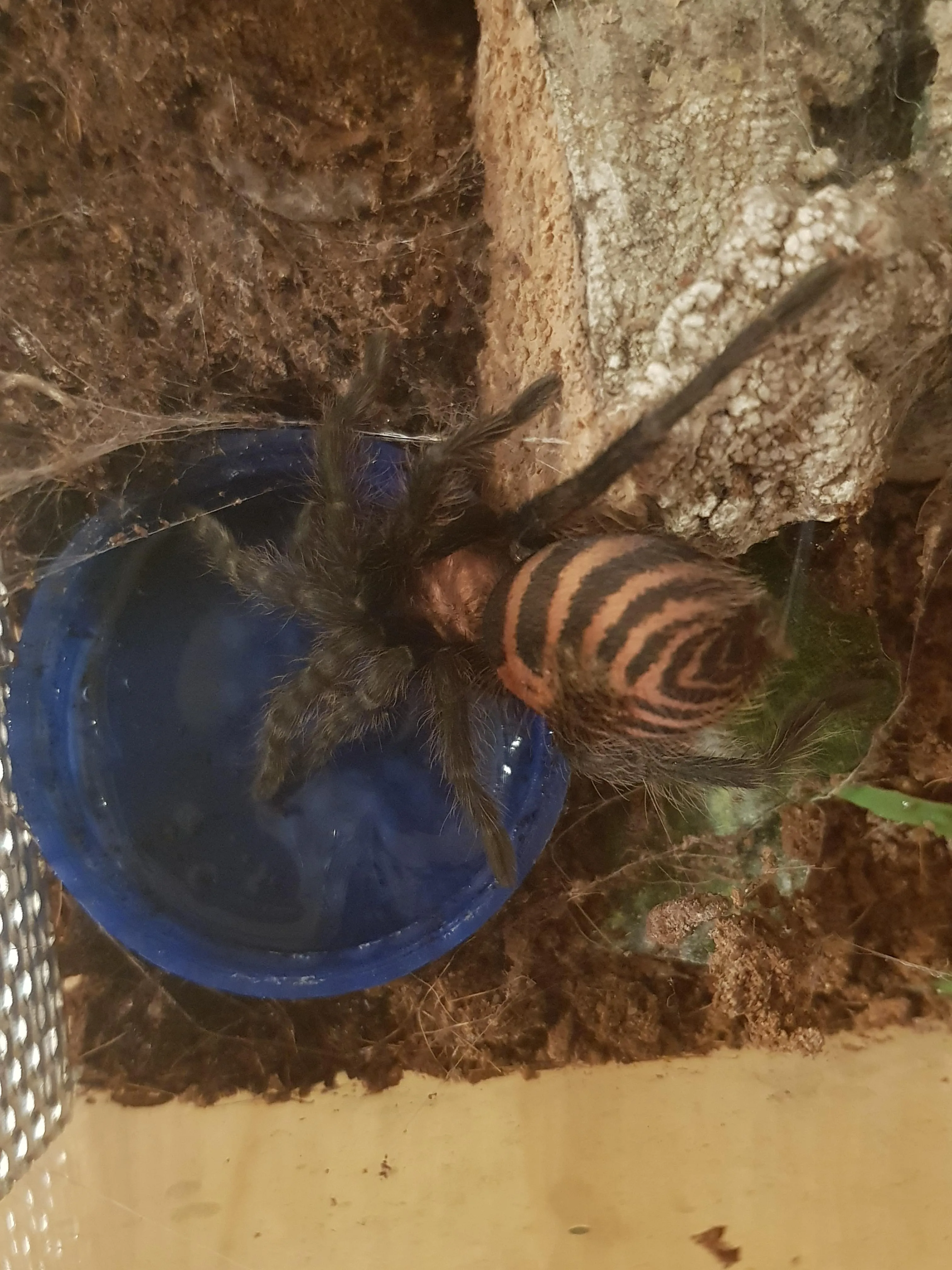
What Happens to a Tarantula in Water
Understanding how a tarantula reacts to water is critical for responsible pet ownership. Tarantulas, as terrestrial creatures, are not built for aquatic environments. Their physical and physiological characteristics make prolonged exposure to water a significant threat. When a tarantula comes into contact with water, several critical processes are disrupted, leading to potential harm and even fatality. These magnificent creatures, while hardy, are surprisingly vulnerable to the effects of water, making it essential for owners to understand the risks and implement preventative measures to ensure the well-being of their eight-legged companions. This includes knowing how water interacts with their respiratory system and exoskeleton, and how to respond if a tarantula accidentally comes into contact with water.
The Impact of Water on Tarantulas
Respiratory System and Water

Tarantulas breathe through structures called book lungs, which are located on the underside of their abdomen. These book lungs are highly susceptible to water damage. When a tarantula is submerged or exposed to excessive moisture, water can enter these delicate respiratory organs. This intrusion impairs the spider’s ability to extract oxygen from the air, leading to suffocation. Even brief exposure to water can cause significant respiratory distress, and the effects are often irreversible. Maintaining a dry environment is crucial for protecting their respiratory health and overall survival. The book lungs are not designed to function in a wet environment.
Exoskeleton and Water
The exoskeleton of a tarantula, while providing protection, also plays a role in water interaction. While the exoskeleton itself is water-resistant to some degree, prolonged exposure to water can weaken it. This can make the tarantula more vulnerable to infections and other environmental hazards. Furthermore, the waxy layer on the exoskeleton, which helps prevent water loss, can be disrupted by water exposure, affecting the spider’s ability to regulate its internal moisture. This can lead to dehydration or other imbalances. The exoskeletal structure, although robust, is not impervious to the damaging effects of extended water contact, making it a key consideration in tarantula care.
How Long Can a Tarantula Survive in Water
The survival time of a tarantula in water is highly variable, depending on several factors. However, tarantulas are not built for prolonged submersion, and their survival time is generally limited. Understanding these factors is vital for pet owners, as it informs the urgency of rescue and the potential outcomes. The duration a tarantula can survive in water is typically measured in minutes, not hours. This emphasizes the importance of immediate action if a tarantula is found in water. Knowing how each factor affects survival time can greatly improve the chances of a positive outcome for your pet.
Factors Affecting Survival Time

Species Variations
Different species of tarantulas have varying levels of resilience to water exposure. Some species may be slightly more tolerant than others, but no tarantula species is truly aquatic. Larger tarantulas, for instance, may have slightly longer survival times due to their increased size and possibly greater respiratory capacity. However, this difference is marginal, and size is not a guarantee of extended survival. The overall physiology of the species, including its respiratory system and exoskeleton characteristics, influences its ability to withstand water exposure. The species of tarantula directly impacts its potential survival time in water.
Water Temperature
Water temperature plays a significant role in a tarantula’s survival time. Colder water temperatures can slow down a tarantula’s metabolism, potentially extending the survival time slightly. However, this extension is minimal, and the primary danger remains the disruption of respiratory function and potential physical damage. Warmer water can accelerate the spider’s metabolic processes, potentially leading to faster oxygen depletion. Temperature should be a key factor when assessing the overall risk of water exposure, especially when attempting a rescue. Regardless of temperature, water exposure is a serious risk for all tarantulas.
Signs of Distress and Drowning

Recognizing the signs of distress and potential drowning in a tarantula is critical for swift intervention. Tarantulas cannot vocalize or exhibit obvious external signs of struggle in the same way mammals do. Instead, the signs are more subtle and require keen observation on the part of the owner. Prompt recognition and action can mean the difference between life and death for these creatures. Monitoring for these signs, and knowing how to react quickly, provides the best chance of a successful rescue, and minimizes the risk of permanent damage to the spider.
Recognizing Drowning
Drowning in tarantulas is a complex process. The primary cause of death is suffocation due to water entering the book lungs. A tarantula in distress may exhibit several behaviors that indicate drowning, including erratic movements, lethargy, and loss of coordination. Submergence typically leads to a rapid deterioration of their condition, as the water quickly disrupts their respiratory function. If a tarantula is in water, immediate removal is crucial. The longer they remain submerged, the lower their chances of survival. Recognizing the signs of distress and swiftly removing the tarantula from the water increases the chances of a successful rescue.
Symptoms to Watch Out For
- Lethargy or inactivity
- Uncoordinated movements or twitching
- Changes in color or appearance
- Difficulty moving or loss of balance
- Extended periods of immobility
Rescuing a Tarantula From Water

If you find your tarantula in water, immediate and decisive action is essential. The steps you take in the first few minutes can significantly impact its chances of survival. This involves removing the tarantula from the water, assessing its condition, and providing the necessary care to help it recover. Time is of the essence, so remain calm and follow a systematic approach to maximize the chances of success. Knowing how to act quickly, and which steps to prioritize, helps you to effectively address the situation and potentially save your pet’s life.
Immediate Actions
- Remove the tarantula from the water immediately. Use a soft tool, like a paintbrush, to gently lift it out.
- Place the tarantula on a dry, absorbent surface such as paper towels. Gently pat it dry, paying close attention to the book lungs.
- Observe for signs of life. Check for any movement or response to stimuli.
- If the tarantula is unresponsive, gently try to stimulate movement by lightly tapping on its legs or body.
Post-Rescue Care
After removing the tarantula from the water, continued care is essential. This involves monitoring the spider’s condition, maintaining a suitable environment, and seeking veterinary assistance if needed. The goal is to support the tarantula’s recovery and prevent any secondary complications. The post-rescue care is designed to help the tarantula recover and to prevent any long-term health issues that might arise from the water exposure. The next few hours are crucial for the spider’s recovery and well-being. Consult an expert immediately after the rescue to better understand the situation.
Preventing Water Accidents

Preventing water accidents is the best way to protect your tarantula from harm. This involves creating a safe habitat and taking precautions to minimize the risk of water exposure. By implementing these measures, you can significantly reduce the chances of a water-related emergency. Proactive measures can protect your pet and maintain a stress-free environment for both the owner and the tarantula. Making sure your tarantula remains safe from water will make it have a long and healthy life.
Creating a Safe Habitat
Ensure that the tarantula’s enclosure is properly set up and secure. This includes using a suitable substrate and providing a water dish that is both accessible and safe. Regularly inspect the enclosure for any potential hazards. Keep the enclosure in a location where water spills are unlikely. A well-designed habitat should be a priority for all tarantula owners, as this plays a crucial role in the safety and well-being of the animal. Always inspect your setup before putting your tarantula inside.
Water Dish Safety
Choose a water dish that is shallow and stable. Avoid dishes that are easily tipped over or that have steep sides. Ensure that the water dish is appropriate for the size of your tarantula and cannot be easily accessed by accident. Providing the right size and type of water dish will limit the risk of accidents involving water. Water dish safety is an essential aspect of tarantula care and contributes significantly to the overall safety of the habitat. Always monitor your tarantula when it’s drinking to make sure it’s safe.
The Importance of Monitoring

Regular monitoring of your tarantula’s environment and behavior is crucial. This allows you to identify potential hazards and address them promptly. Check the enclosure regularly for any signs of water leakage or spills. Keep a close eye on your tarantula’s behavior to ensure that it is healthy and thriving. By consistently monitoring, you can maintain a safe environment and proactively address any issues that may arise, ensuring the well-being of your pet. Being attentive is vital to keeping your tarantula safe and healthy.