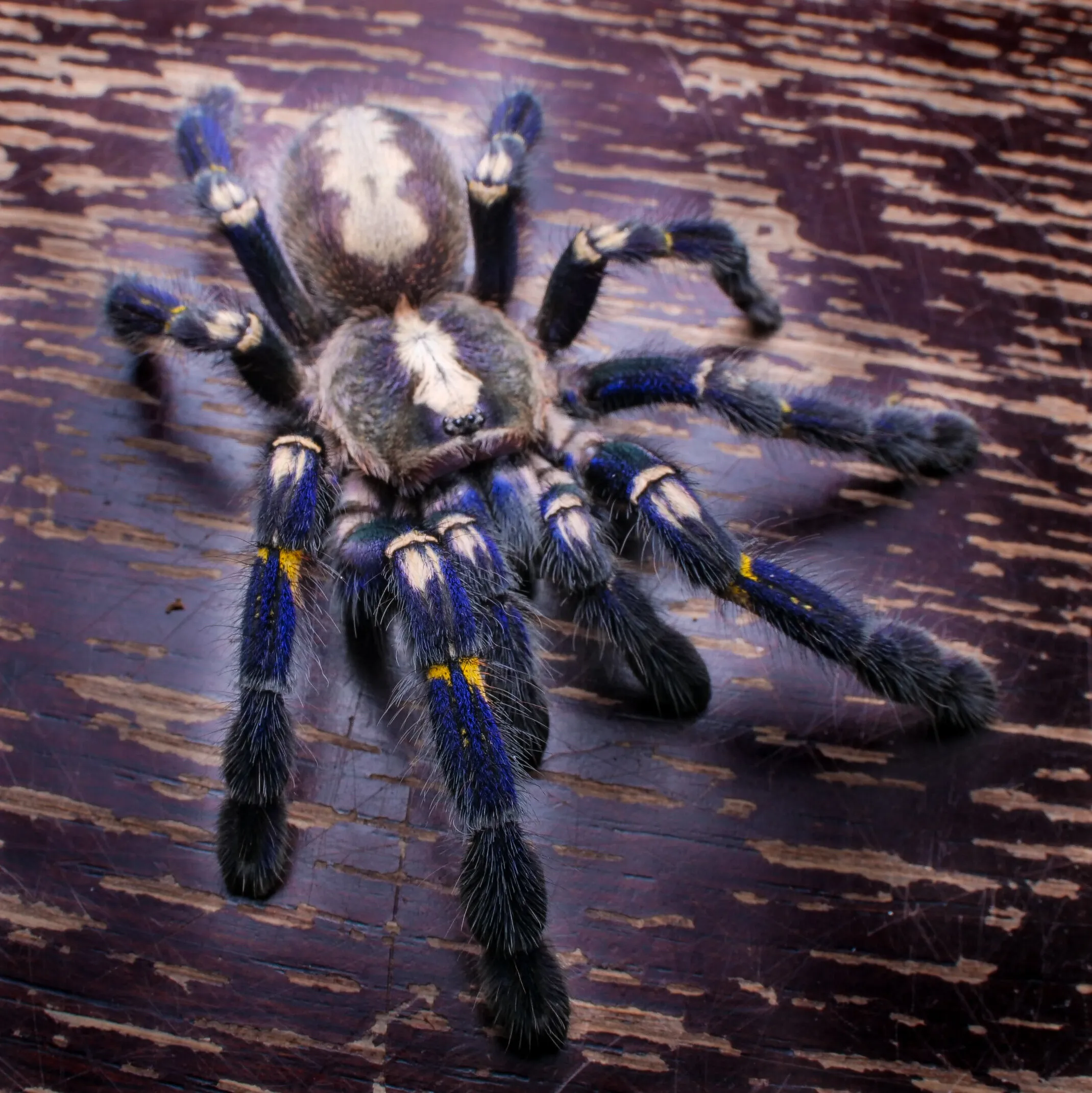
Understanding Tarantula Metallica
The Tarantula Metallica, often admired for its striking blue and metallic coloration, is a fascinating creature to keep as a pet. Native to the rainforests of Brazil, this species, also known as the Brazilian Blue Tarantula, is relatively docile, making it a popular choice among tarantula enthusiasts. Understanding their natural environment and behaviors is crucial to providing the best possible care. Their vibrant colors and unique personalities make them a rewarding pet, but proper care is essential for their well-being. This guide provides essential tips for ensuring your Tarantula Metallica thrives in captivity.
Appearance and Characteristics
Tarantula Metallica boasts a distinctive appearance. Adults typically exhibit a metallic blue coloration on their legs and carapace, complemented by a dark abdomen covered with urticating hairs. The intensity of the blue can vary based on the individual tarantula and its maturity level. They are medium-sized tarantulas, with a leg span that can reach up to 6 inches. Their overall appearance is striking, which is why they are often sought after in the pet trade. They are generally not aggressive, but like all tarantulas, they possess fangs and can bite if provoked, though this is rare. Their appearance alone sets them apart as one of the most visually appealing tarantulas.
Habitat and Natural Environment

In their natural habitat, Tarantula Metallica thrive in the humid, tropical environments of the Brazilian rainforest. They are terrestrial tarantulas, meaning they spend most of their time on the ground. They typically live in burrows or under leaf litter, providing shelter from predators and the elements. They are nocturnal hunters, primarily feeding on insects and other small invertebrates. Replicating their natural environment in captivity is key to ensuring their health and happiness. Understanding their natural habitat provides a solid foundation for effective care and enclosure design, making your tarantula feel more at home.
Setting Up the Perfect Tarantula Metallica Enclosure
Creating a suitable enclosure is vital for the well-being of your Tarantula Metallica. The enclosure should mimic their natural habitat to ensure they feel safe and secure. A well-designed setup will not only make your tarantula comfortable, but it will also allow you to observe its fascinating behavior. The key elements to consider include the size and type of enclosure, the substrate used, and the addition of furnishings that provide hiding places and climbing opportunities. The goal is to provide a stress-free environment that promotes healthy growth and behavior.
Choosing the Right Enclosure
The ideal enclosure for a Tarantula Metallica is a glass or acrylic terrarium with a secure, well-ventilated lid. The size of the enclosure should be proportional to the size of your tarantula. A good rule of thumb is to provide an enclosure that is at least three times the tarantula’s leg span in width. For an adult, a 10-gallon tank is a suitable starting point, but a larger enclosure might be preferred as the tarantula grows. Ensure the enclosure has adequate ventilation to prevent mold and maintain proper humidity levels. Avoid enclosures with sticky surfaces, as these can be dangerous during molting.
Substrate Selection

The substrate forms the base of your tarantula’s enclosure and plays a crucial role in maintaining humidity and providing a naturalistic environment. A good substrate should be able to retain moisture, allowing the tarantula to burrow. A mix of coco fiber, peat moss, and a small amount of vermiculite works well. Avoid using substrates like sand or gravel, as they do not retain moisture effectively and can be difficult for the tarantula to burrow in. The substrate should be deep enough – at least 3-4 inches – to allow your tarantula to burrow and create its own hideout.
Essential Furnishings
Adding furnishings to the enclosure will enrich your tarantula’s environment, providing hiding spots and promoting a sense of security. Cork bark, artificial plants, and sturdy decorations can create a stimulating environment. A hide, such as a half-log or a commercially available tarantula hide, is essential for your tarantula to retreat to when it feels threatened or during molting. Make sure any decorations are secure and won’t fall on the tarantula. A shallow water dish should always be available. These additions will not only enhance the aesthetics of the enclosure but also meet the tarantula’s behavioral needs.
Maintaining Proper Temperature and Humidity
Maintaining the correct temperature and humidity levels is crucial for the health and well-being of your Tarantula Metallica. These conditions are essential for their metabolism, molting, and overall comfort. Regular monitoring and adjustments are required to ensure that the environment is within the optimal range. Proper temperature and humidity also help to prevent health issues and ensure your tarantula remains active and content. Understanding these environmental factors and how to manage them is crucial for successful tarantula care.
Temperature Requirements

Tarantula Metallica thrives in temperatures between 75-85°F (24-29°C). A heat source, such as an under-tank heater or a low-wattage heat lamp, can be used to maintain the desired temperature range. Always place the heat source on one side of the enclosure to create a temperature gradient, allowing the tarantula to regulate its body temperature. Use a thermometer to monitor the temperature regularly. Avoid placing the heat source directly under the substrate, as this can cause the substrate to dry out too quickly. Ensure that the enclosure does not get too hot, as this can be detrimental to the tarantula’s health.
Humidity Levels
Humidity is another critical factor in Tarantula Metallica care. These tarantulas require a humidity level of 70-80%. To maintain this, regularly mist the enclosure with dechlorinated water. The frequency of misting will depend on the ventilation and the type of substrate you are using. The substrate should be slightly moist, not soaking wet. A hygrometer is recommended to accurately monitor the humidity levels. Proper humidity is especially important during molting, as it helps the tarantula shed its exoskeleton successfully. A consistent humidity level ensures your tarantula remains healthy and avoids dehydration.
Feeding Your Tarantula Metallica
Feeding your Tarantula Metallica correctly is a fundamental aspect of their care. A proper diet ensures they receive the necessary nutrients for growth and development. Understanding what they eat, how often to feed them, and how to provide fresh water are all important considerations. A well-fed tarantula is a healthy tarantula, and a healthy tarantula is more likely to thrive in captivity. Correct feeding practices are a key part of your tarantula’s longevity.
Choosing the Right Food

Tarantula Metallica are insectivores, meaning they primarily feed on insects. Suitable food sources include crickets, roaches, mealworms, and occasionally, small pre-killed vertebrates. The size of the food should be appropriate for the size of the tarantula. As a general rule, the prey should be no larger than the tarantula’s abdomen. Always feed live insects, as they stimulate the tarantula’s natural hunting instincts. It is important to vary the diet to provide a range of nutrients. Always ensure that the insects are gut-loaded with nutritious food before offering them to your tarantula.
Feeding Schedule
The feeding frequency for a Tarantula Metallica depends on its age and size. Spiderlings and juveniles should be fed every 2-3 days. Sub-adults and adults can be fed every 5-7 days. Observe your tarantula’s abdomen. If it appears plump and healthy, it’s well-fed. Avoid overfeeding, as this can lead to health problems. Always remove any uneaten food within 24 hours to prevent mold and mites. Adjust the feeding schedule based on your tarantula’s appetite and growth rate, paying close attention to its behavior and how it interacts with its food.
Watering Your Tarantula Metallica
Providing fresh water is another crucial aspect of Tarantula Metallica care. Hydration is essential for their health and well-being, as they need water to survive. Ensure a clean water source is always available. Regular watering and monitoring are necessary to prevent dehydration. Making fresh water easily accessible and maintaining its cleanliness will contribute significantly to the overall health of your tarantula.
Water Source

A shallow water dish should always be available in the enclosure. The dish should be small enough that the tarantula cannot drown but large enough to access easily. Use a water dish that is sturdy and easy to clean. Always use dechlorinated water or bottled spring water. Replace the water in the dish at least twice a week to prevent the growth of bacteria and algae. Check the water dish daily to make sure it has water, especially during dry periods. It is essential for a Tarantula Metallica’s health.
Watering Frequency
In addition to the water dish, misting the enclosure is also important for maintaining humidity. Mist the enclosure with dechlorinated water 1-2 times a week, depending on the humidity levels. Avoid spraying the tarantula directly. Observe the substrate; it should be moist but not waterlogged. If you notice that the substrate is drying out quickly, increase the misting frequency. Proper watering frequency and maintaining humidity levels contribute to a healthy and thriving tarantula.
Handling and Interaction
While Tarantula Metallica are relatively docile, handling them should be approached with caution. Overly frequent handling can stress the tarantula and potentially lead to injury. It is essential to handle them only when necessary and always prioritize the tarantula’s safety and well-being. Understanding their behavior and knowing how to interact with them safely is a key aspect of responsible pet ownership.
Safe Handling Practices

If you need to handle your Tarantula Metallica, do so carefully and slowly. Encourage the tarantula to walk onto your hand rather than picking it up. Avoid sudden movements that could startle the tarantula, causing it to drop or bite. Always handle the tarantula close to a soft surface, such as a bed or the substrate, in case it falls. Wash your hands before and after handling. Be aware that some tarantulas have urticating hairs that can cause irritation. If you are uncomfortable, avoid handling altogether. It’s crucial to handle tarantulas respectfully and cautiously.
Understanding Tarantula Metallica Behavior
Observing your Tarantula Metallica’s behavior can provide valuable insights into its health and well-being. They can be shy and reclusive, spending much of their time hiding. Other behaviors to note include appetite, activity level, and molting behavior. A healthy tarantula will have a good appetite, be active, and shed its skin regularly. Any changes in behavior should be carefully monitored. Learning about the tarantula’s behavior and needs can help you provide appropriate care. Recognizing and responding to behavior changes early can prevent potential health issues.
Common Health Issues and Prevention
Like any pet, Tarantula Metallica can be susceptible to certain health issues. Being aware of these potential problems and knowing how to prevent them is critical for keeping your tarantula healthy. Most health problems are easily prevented with good care. Recognizing the signs of illness early and addressing them promptly can greatly improve the chances of a positive outcome. Regular observation and proper care can ensure a long and healthy life for your tarantula.
Recognizing Health Problems
Some common health problems include parasites, dehydration, and injuries. Signs of illness include lethargy, loss of appetite, unusual posture, and discharge. Parasites are uncommon in captive-bred tarantulas but can sometimes occur. Dehydration can be caused by low humidity or lack of access to water. Injuries can occur from falls or improper handling. Regular inspection of your tarantula is essential. If you notice any signs of illness, consult with a veterinarian experienced with exotic pets. Early detection is key for successful treatment.
Preventative Care
Preventative care is crucial for maintaining your Tarantula Metallica’s health. Maintain proper temperature and humidity levels. Provide a clean and appropriate diet. Ensure that the enclosure is clean and free of any hazards. Avoid overcrowding and provide adequate space. Regularly check the water dish and replace the water. Quarantine new tarantulas before introducing them to your existing collection. Regular preventative care can significantly reduce the risk of health problems. Careful attention to their environment and their daily care routine will go a long way in ensuring a healthy and happy pet.
Tarantula Metallica Molting
Molting is a natural process where the tarantula sheds its exoskeleton to grow and renew itself. It is a crucial part of the Tarantula Metallica’s life cycle. During this process, the tarantula becomes vulnerable. Understanding the molting process and how to provide support will help ensure your tarantula molts safely. Proper care during molting is essential for a healthy, growing tarantula. Knowing what to expect and how to assist your pet during this time will improve the odds of a successful molt.
The Molting Process
Molting typically occurs periodically throughout a tarantula’s life, becoming less frequent as they mature. The tarantula will often stop eating and become lethargic before molting. It may also flip onto its back. The molting process itself can take several hours to a day or two, during which the tarantula will shed its old exoskeleton. Afterwards, the tarantula will be soft and vulnerable until the new exoskeleton hardens. The molting frequency depends on the age of the tarantula, with juveniles molting more frequently than adults. Always avoid disturbing your tarantula during this process.
What to Do During Molting
During molting, maintain the correct humidity levels. Do not disturb the tarantula or attempt to handle it. If the tarantula is struggling to molt, resist the urge to intervene. Allow the process to occur naturally. After molting, do not feed the tarantula for a few days, as its fangs and body will still be hardening. The tarantula will be very vulnerable during this period. Providing appropriate care during and after the molt will help ensure your tarantula’s recovery. Always observe the tarantula’s behavior following a molt, as it may be more cautious.
Conclusion
Caring for a Tarantula Metallica can be a rewarding experience. By understanding their specific needs, including their habitat, diet, and behavior, you can create an environment where they thrive. Regular observation, proper environmental control, and a willingness to learn are the keys to responsible tarantula ownership. Following these tips, you can enjoy the unique beauty and fascinating behavior of your Tarantula Metallica for years to come. Remember to always prioritize the health and well-being of your tarantula, and your commitment will result in a healthy and fascinating pet.