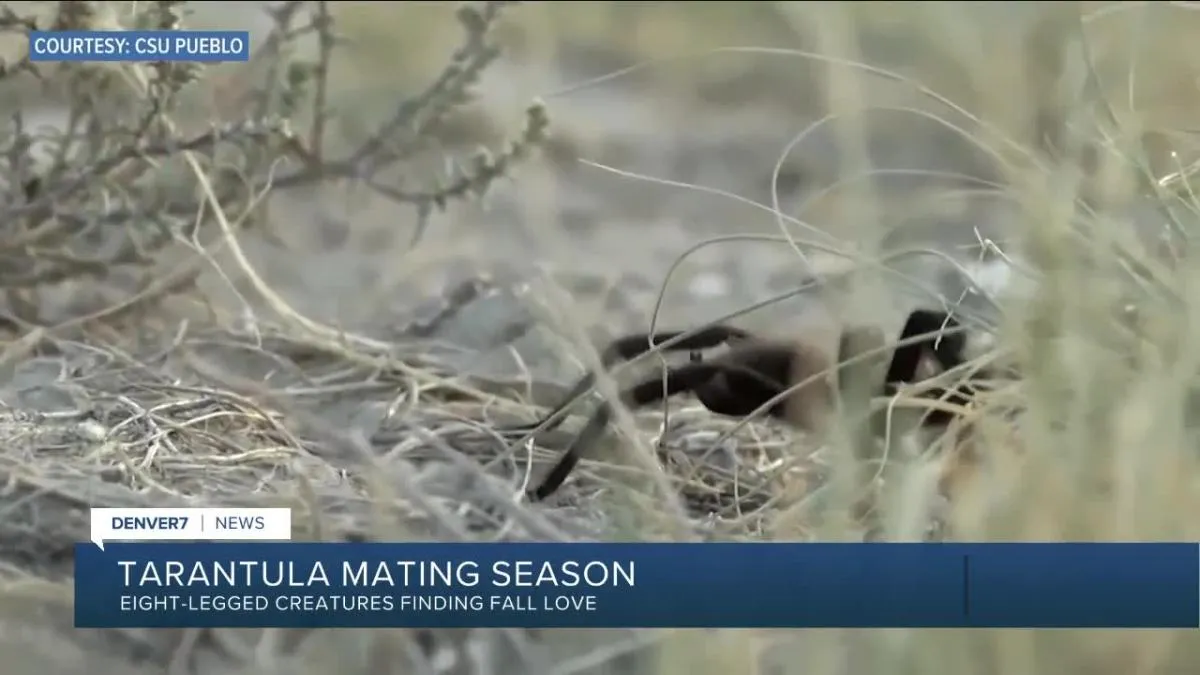
Understanding Tarantula Migration
Tarantula migration is a fascinating natural phenomenon, a spectacle that occurs when these often-feared arachnids embark on journeys across landscapes, often including roads and other human-made structures. Understanding the ‘why’ and ‘how’ of these migrations is crucial for both appreciating the natural world and ensuring human safety. This behavior is not random; it’s driven by specific biological needs and environmental triggers. Observing and understanding this process helps us coexist more harmoniously with these creatures.
What Triggers Tarantula Migration?
Several factors combine to trigger tarantula migration, acting as cues that signal the opportune time for these spiders to move. These triggers are primarily linked to the tarantulas’ life cycle and their environment. Two primary factors are seasonal changes and various environmental conditions, each playing a significant role in the timing and direction of tarantula movements. These cues ensure that the spiders migrate when conditions are most favorable for their survival and reproduction.
Seasonal Influences

The changing seasons are a primary driver of tarantula migration, particularly during mating seasons. Warmer temperatures and increased humidity often coincide with the peak migration period. For many species, this typically occurs in late summer or early fall, when the males are actively searching for mates. The shift in weather patterns provides the ideal conditions, influencing the spiders’ activity levels and their willingness to travel long distances in search of mates. These seasonal migrations are an essential part of the tarantulas’ reproductive cycle and their survival.
Environmental Factors
Besides seasonal changes, other environmental factors significantly influence tarantula migration. Rainfall, for instance, can trigger migrations as it softens the soil, making it easier for tarantulas to emerge from their burrows. The availability of prey, and even the presence of wildfires or other habitat disruptions, can prompt tarantulas to seek new territories. These environmental cues act as a survival mechanism, pushing tarantulas to move when their current environment becomes unsuitable or when better opportunities arise elsewhere.
Identifying Tarantula Migration
Recognizing tarantula migration can be straightforward if you know what to look for. Identifying visual signs and behavioral clues helps in anticipating and understanding this natural phenomenon, particularly in areas known for tarantula activity. Knowledge of these signs is essential for both safety and for appreciating the natural behavior of these fascinating creatures. Being aware of these tells allows for a more informed approach to observing and interacting with tarantulas during their migratory periods.
Visual Signs

The most apparent visual sign of tarantula migration is, of course, the spiders themselves. You might observe them crossing roads, trails, or other open areas, especially during the day, though activity can also occur at dusk and dawn. Look out for the presence of numerous tarantulas, sometimes appearing in large numbers. You might also notice spiderlings, smaller versions of the adults, accompanying their mothers, particularly in the early stages of migration. The presence of these visual indicators will alert you to the ongoing migration.
Behavioral Clues
Beyond the visual sightings, specific behaviors offer additional clues. Tarantulas during migration often exhibit heightened activity levels and a more purposeful movement pattern than usual. Males, in particular, will be actively searching for mates, moving with more urgency and less caution than typical. They may appear to be restless, constantly moving and exploring their surroundings. Moreover, you might witness interactions between tarantulas, such as courtship displays or territorial disputes, during the migration season.
Why Do Tarantulas Migrate?
Tarantulas migrate for a few primary reasons, the most significant being reproduction and the establishment of new habitats. These behaviors are fundamental to their life cycle and the survival of their species. Migration allows tarantulas to find mates, expand their territories, and adapt to changing environmental conditions. Understanding these motivations provides further insight into the natural history of these spiders and their role in their ecosystems. This essential behavior dictates the tarantula’s life cycle.
Reproductive Behavior

Reproduction is one of the most critical drivers of tarantula migration. Male tarantulas migrate in search of females, following pheromone trails and engaging in elaborate courtship rituals. This process can involve significant travel across various terrains. The migration is thus a vital part of their reproductive cycle, ensuring genetic diversity and population growth. During this period, the males seek females and mate, and the females, after mating, look for suitable locations to lay their eggs, continuing the cycle of life.
Searching for Mates
Male tarantulas often undertake long journeys to locate females, using their senses to navigate and find potential mates. They follow scent trails left by females and can travel for miles in search of a receptive partner. This instinctual behavior is central to tarantula migration, leading to high levels of activity and risk-taking during the mating season. This focused search behavior highlights the importance of reproduction in the tarantula’s life cycle and the significant effort males put into it.
Establishing New Habitats
Besides reproduction, tarantulas also migrate to establish new habitats. This is often driven by resource availability, such as food and suitable shelter, or in response to habitat degradation or changes in environmental conditions. Young tarantulas, or spiderlings, will often disperse from their birth site to establish their territories, spreading the population over a wider area. This behavior is crucial for long-term species survival, providing a greater chance of finding appropriate resources and avoiding overpopulation.
Colonization and Expansion

Migration plays a crucial role in the colonization of new areas and the expansion of tarantula populations. As tarantulas move, they can inhabit previously unoccupied territories, spreading their range and adapting to different environments. This expansion is essential for population growth and resilience, especially in the face of habitat loss or environmental changes. Through constant movement and exploration, tarantulas can ensure their continued presence in diverse ecosystems, securing their future.
Safety Precautions During Tarantula Migration
Ensuring safety during tarantula migration is crucial, particularly in areas where these events are common. Appropriate safety measures are essential both for humans and for the tarantulas themselves. These precautions vary depending on whether you are a driver, pedestrian, or cyclist, but the general principle is to increase awareness and minimize potential interactions with these spiders. Knowing these safety measures not only protects individuals but also contributes to the preservation of the tarantula population.
For Drivers
Drivers need to be particularly cautious during tarantula migration, as roads are frequently used by these spiders. Several measures can significantly reduce the risk of harm to both tarantulas and drivers. The primary goal is to drive with awareness, making it safer for everyone. This not only helps with the tarantulas, but for all wildlife on the roads during their migratory season.
Reducing Speed & Increasing Awareness

Reduce your speed when driving through areas known for tarantula migration, and be vigilant for the spiders crossing roads. Slowing down gives you more time to react and avoid hitting a tarantula. Increased awareness involves actively scanning the road ahead, watching the shoulders, and paying attention to any signs that indicate tarantula activity. This proactive approach significantly lowers the chances of accidents and helps protect tarantulas during their migratory season.
Avoiding Direct Contact
Whenever possible, avoid direct contact with tarantulas on the road. If you encounter a tarantula, steer clear, or consider stopping to allow it to cross safely. Avoid swerving suddenly to avoid the spider, as this could lead to an accident. It is essential to remember that tarantulas are generally harmless and prefer to avoid human contact; the best course of action is often simply to let them pass without interference. Remember that it is important to always keep your distance.
For Pedestrians & Cyclists
Pedestrians and cyclists should also take precautions during tarantula migration. The primary goal is to maintain a safe distance from the tarantulas and avoid any actions that might disturb them. This approach ensures their safety while minimizing the risk of disrupting the tarantulas’ natural behaviors. Being mindful of these precautions is vital for both personal well-being and the preservation of wildlife during migratory periods.
Maintaining a Safe Distance

Maintain a safe distance from tarantulas if you encounter them while walking or cycling. Do not attempt to handle or approach them, as this can provoke a defensive reaction. Observe them from a distance, and appreciate their behavior without interfering. Respecting their space is key to avoiding unnecessary risks and allows you to enjoy the spectacle of the migration. Using binoculars can help you get a closer view while maintaining a safe distance.
Avoiding Disturbances
Avoid disturbing tarantulas during migration. Refrain from making loud noises, shining bright lights, or throwing objects in their direction. These actions can cause stress and disrupt their natural behaviors. Keep pets on a leash, and ensure they do not chase or harass the tarantulas. Minimize any activities that might interfere with their journey. By avoiding disturbances, you help tarantulas navigate their migration safely and contribute to their well-being.
Conservation and Tarantula Migration
Conservation efforts are crucial for protecting tarantulas and their migratory patterns. By understanding the role of habitats, protecting natural environments, and supporting sustainable practices, we can ensure these fascinating spiders continue to thrive. These efforts not only protect individual species but also maintain the health of their ecosystems. Contributing to conservation initiatives provides a lasting benefit to the natural world.
The Role of Habitats
Protecting and preserving tarantula habitats is critical for their survival. Habitats provide essential resources like shelter, food, and suitable breeding sites. Habitat loss and fragmentation, due to human activities such as deforestation and development, are significant threats to tarantulas. Therefore, supporting habitat conservation is vital. Creating protected areas and restoring degraded habitats ensure that tarantulas have the space they need to complete their life cycles and continue their migration.
Protecting Natural Environments
Advocate for the protection of natural environments where tarantulas live. Support conservation efforts to establish and maintain protected areas, such as national parks and wildlife reserves. Reduce your environmental footprint by minimizing your use of resources. By advocating for and supporting environmental protection, you contribute to the long-term well-being of tarantulas and their ecosystems. Protecting these areas directly helps preserve the habitats that are crucial for tarantulas’ migration and survival.
Supporting Sustainable Practices
Support sustainable practices that minimize habitat destruction and environmental pollution. Choose eco-friendly products and reduce your reliance on single-use plastics. Promote responsible tourism and educate others about the importance of conservation. Support businesses and organizations dedicated to protecting natural habitats. Through these actions, you can contribute to a more sustainable world. These combined efforts will create a healthier environment for tarantulas and other wildlife.
In conclusion, tarantula migration is a fascinating phenomenon that offers a unique glimpse into the natural world. By understanding the triggers for migration, recognizing the signs of these migrations, and taking the necessary safety precautions, we can appreciate and coexist with these amazing creatures. Supporting conservation efforts and sustainable practices will ensure that future generations can witness and enjoy the spectacle of tarantula migration.