What is Tarantula Molt Jewelry?
Tarantula molt jewelry is a unique and fascinating art form that transforms the shed exoskeletons of tarantulas into wearable art. These intricate pieces showcase the natural beauty and detail of the tarantula’s molt, creating stunning pendants, earrings, rings, and other jewelry items. Each piece of jewelry is a testament to the tarantula’s life cycle and the delicate process of molting. The use of tarantula molts in jewelry also provides a sustainable way to appreciate these amazing creatures. It’s a specialized craft that blends artistry with a touch of the exotic. This jewelry is more than just an accessory, it’s a conversation starter and a unique expression of personal style.
Understanding the Molting Process
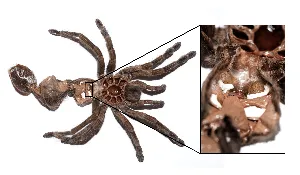
Molting is a natural process for tarantulas, where they shed their exoskeleton to grow and regenerate. This process, known as ecdysis, allows them to replace old, worn-out structures and accommodate their increasing size. A tarantula will typically molt several times throughout its life, more frequently when it is young and less often as it matures. During molting, the tarantula creates a new exoskeleton beneath the old one. Once ready, it splits the old exoskeleton open, often at the carapace, and slowly emerges, leaving behind a perfect replica of itself. The molt is a delicate, yet detailed, record of the tarantula’s former self, making it ideal for jewelry.
Collecting Molts Safely
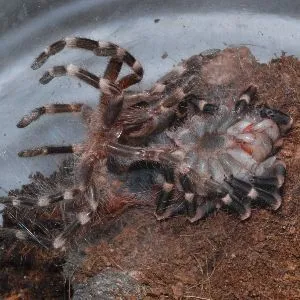
Collecting molts is a relatively straightforward process. The most important aspect is ensuring that the tarantula is safe and has successfully completed the molting process. Always wait until the tarantula has fully recovered and its new exoskeleton has hardened before attempting to collect the molt. Use soft tools, such as tweezers or a small brush, to gently remove the molt from the enclosure. Avoid damaging the molt during removal, as its completeness and condition will affect the final appearance of the jewelry. Molts can be stored in a dry, clean place, such as a small container, until you’re ready to begin the crafting process. Handle with care, as they can be fragile.
Fact 1 Why Tarantula Molt Jewelry is Unique
Tarantula molt jewelry stands out because of its unusual origin and intricate details. The molts themselves are incredibly delicate, showcasing the spider’s form with remarkable accuracy. When crafted into jewelry, these molts become wearable works of art that often incorporate other materials, creating striking and unique pieces. The jewelry captures the essence of the tarantula’s natural beauty. No two pieces are exactly alike. Each piece of jewelry tells a story about the creature and its journey of transformation, making it a special and distinctive accessory. The unique texture and intricate patterns of the molt add an unmatched level of fascination.
Fact 2 The Materials Used
Creating tarantula molt jewelry requires more than just the molts themselves. Several additional materials are needed to craft durable and beautiful pieces. The selection of materials is critical to the design. It also impacts the overall aesthetic and longevity of the jewelry. The materials will affect both the look and feel of the finished product. The right choice of materials will provide both visual appeal and structural integrity.
Metals Used

Metals are commonly used as the base or framing for tarantula molt jewelry. The type of metal used can significantly influence the appearance and value of the piece. Popular choices include sterling silver, gold, and various alloy metals. Silver and gold offer a classic look, while alloy metals can provide a more affordable option, with various finishes available. The choice of metal depends on the desired aesthetic and budget. The metal can be cast, formed into settings, or used as a decorative element to accentuate the molt. Selecting the right metal enhances the overall appearance and durability of the jewelry.
Resins and Sealants
Resins and sealants are essential for protecting and preserving the tarantula molt. They encase the molt, providing a durable layer that protects it from damage and wear. Epoxy resins are popular for their clarity and durability, allowing the intricate details of the molt to be visible. UV-resistant resins are often preferred to prevent yellowing or degradation over time. Sealants may also be applied to protect the surface. The proper use of resins and sealants ensures that the jewelry remains beautiful and intact for years to come. The protective layer also adds a glossy finish, enhancing the visual appeal.
Fact 3 The Crafting Process
Creating tarantula molt jewelry is a detailed process that requires patience, skill, and attention to detail. The craft combines artistry with precision, and it often involves multiple steps, from preparing the molt to finishing the piece. Each step is important in achieving a high-quality piece of jewelry. The crafting process ensures the final product is not only visually stunning but also durable and wearable. The techniques used are tailored to highlight the unique features of each molt.
Cleaning and Preparing the Molt

Before crafting, the molt must be carefully cleaned and prepared. This step involves removing any dirt or debris that may be present. It also involves gently straightening the molt and ensuring it is in good condition. Delicate tools and cleaning solutions are often used to prevent damage to the fragile exoskeleton. The molt’s shape and structure are evaluated to determine the best way to use it in a piece of jewelry. Proper cleaning ensures the final piece is visually appealing and free from impurities. Correct preparation is the foundation for a successful piece.
Designing the Jewelry
Designing the jewelry is where the artist’s creativity comes to life. The design process involves considering the molt’s shape, size, and unique features. This process includes planning the overall design, choosing the type of jewelry, and sketching initial concepts. Designs can range from simple pendants to complex, multi-layered pieces. Decisions are made about the use of metal settings, resin, and other decorative elements. The goal is to create a design that enhances the molt’s natural beauty. It produces a harmonious and aesthetically pleasing result. Careful planning ensures the final piece is visually balanced and attractive.
Encapsulation Techniques
Encapsulation involves encasing the tarantula molt in resin to preserve and protect it. Various techniques can be employed, each resulting in different visual effects. One popular method is pouring resin into a mold and carefully positioning the molt within it. Another approach involves layering resin, allowing each layer to cure before adding the next, which creates depth and dimension. The encapsulation process can be delicate. The process aims to eliminate air bubbles and ensure the molt is fully protected. Polishing the resin after curing enhances its clarity and shine, bringing out the details of the molt. Proper encapsulation ensures the jewelry is durable and long-lasting, showcasing the intricate details of the tarantula molt.
Fact 4 Ethical Considerations

The creation of tarantula molt jewelry involves several ethical considerations. It is important to ensure that the process does not harm the animals. It respects their natural life cycles. These considerations are crucial for responsible crafting. They also help sustain the practice in the long run. Ethical practices are essential for maintaining the integrity and appeal of the jewelry.
Sourcing Molts Responsibly
Responsible sourcing of molts is vital. Ensure the molts come from healthy, well-cared-for tarantulas. This means obtaining them from reputable sources or keeping your own tarantulas in a suitable environment. Avoid molts from animals that have been subjected to poor living conditions or unethical practices. Always prioritize the welfare of the tarantulas. Be transparent about the source of your molts, providing information to your customers. Responsible sourcing supports ethical practices within the crafting community.
Supporting Conservation Efforts
Supporting conservation efforts helps protect tarantula populations and their habitats. Consider donating a portion of your sales to organizations that focus on tarantula conservation. Educate yourself and your customers about tarantula conservation issues. This can promote awareness and foster a sense of responsibility. By promoting ethical sourcing and supporting conservation, you contribute to the long-term survival of these amazing creatures and the sustainable practices of creating tarantula molt jewelry.
Fact 5 Caring for Tarantula Molt Jewelry

Proper care ensures that tarantula molt jewelry remains beautiful and lasts for many years. Maintenance includes cleaning, storage, and avoiding harsh chemicals. With careful attention, these unique pieces can retain their beauty. They can be cherished as a unique accessory. The jewelry’s longevity depends on the care it receives. This prolongs the jewelry’s stunning appearance.
Cleaning and Maintenance Tips
Clean your tarantula molt jewelry gently using a soft cloth and mild soap or a specialized jewelry cleaner. Avoid harsh chemicals or abrasive materials, as they can damage the resin or metal. After cleaning, rinse the jewelry with water and pat it dry. Regularly inspect the jewelry for any signs of damage or wear and tear. Addressing issues early can prevent further deterioration. For resin jewelry, consider using a polishing cloth to maintain its shine. Proper cleaning and maintenance will keep your jewelry looking its best for years to come.
Storage Recommendations
Proper storage protects your tarantula molt jewelry. Store each piece separately in a soft pouch or a jewelry box to prevent scratches and tangling. Avoid storing jewelry in direct sunlight or extreme temperatures, as these conditions can degrade the resin. Keep your jewelry away from moisture and humidity, as they can damage the metal and the molt. Following these storage recommendations helps maintain the beauty and longevity of your jewelry, preserving its unique charm for years to come.