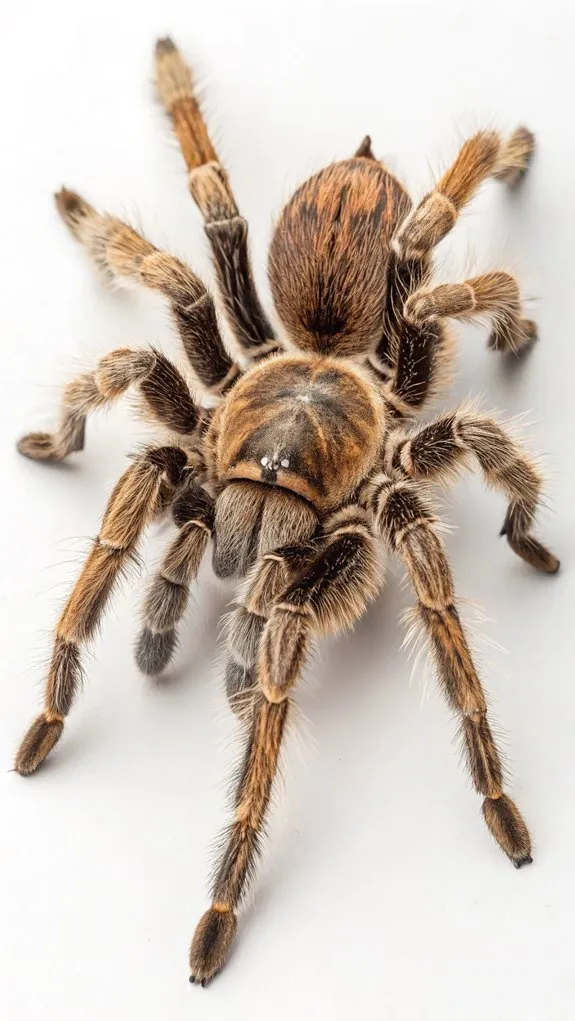
Embarking on the journey of tarantula ownership is an exciting endeavor. One of the most fascinating aspects of keeping these incredible creatures is witnessing their molting process. This comprehensive guide will walk you through the fundamentals of tarantula molting, helping you understand what it is, why it happens, and how to provide the best possible care for your pet during this critical time. Understanding the molting process is essential for ensuring your tarantula’s health and longevity. It’s a remarkable natural phenomenon, and knowing how to support your tarantula during this period is crucial for any tarantula keeper.
What is Tarantula Molting
Tarantula molting, also known as ecdysis, is the process by which a tarantula sheds its exoskeleton. This exoskeleton, made of chitin, serves as a protective outer shell, but it doesn’t grow. As the tarantula grows, it outgrows its exoskeleton, necessitating the molting process. This is a natural and essential part of a tarantula’s life cycle, allowing the spider to shed old skin, grow larger, and replace any lost limbs. The molting process is a significant event, marking periods of growth and renewal for these fascinating creatures. It is a vulnerable period, and the more you know the more you can help your tarantula.
Understanding the Molting Process
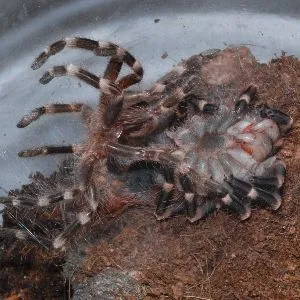
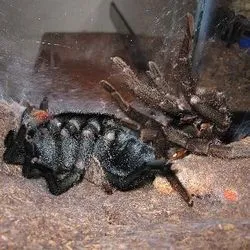
The molting process involves several stages. The tarantula begins by forming a new, soft exoskeleton beneath the old one. Then, it will typically position itself on its back and, through a combination of muscle contractions and the uptake of hemolymph (spider blood), it will rupture the old exoskeleton. The tarantula then slowly wriggles out of its old shell, leaving behind a perfect cast of itself. This process can take anywhere from a few minutes to several hours, depending on the size and species of the tarantula. After molting, the new exoskeleton is soft and vulnerable, and the tarantula will need time to harden and regain its strength. The entire process highlights the tarantula’s adaptability and resilience.
Why Do Tarantulas Molt
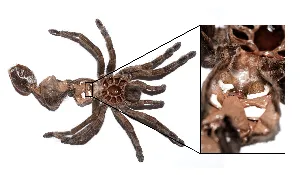
Tarantulas molt for several reasons. Primarily, molting is essential for growth. Since the exoskeleton doesn’t grow, the tarantula must shed it to expand. Molting also allows the tarantula to replace any lost limbs. If a tarantula loses a leg, it will regrow it during the next molt. Furthermore, molting rids the tarantula of parasites and helps remove waste products that have accumulated in the old exoskeleton. It’s a complete renewal process, ensuring the tarantula’s health and vitality. Essentially, molting is the tarantula’s way of staying young and healthy.
Signs Your Tarantula is About to Molt
Recognizing the signs that your tarantula is about to molt is crucial for providing proper care. The more familiar you are with these signs, the better you can prepare for the molt. There are several indicators, both in appearance and behavior, that suggest a molt is imminent. Knowing these signs will help ensure a smooth and safe molting process for your pet. Close observation is key to being a good tarantula keeper.
Changes in Appearance and Behavior
One of the most noticeable signs is a change in the tarantula’s appearance. The abdomen will often appear dark and shiny, and the tarantula may become less active. You might notice a bald spot on the abdomen, which indicates that the old exoskeleton is separating. The tarantula may also stop eating or show a decreased appetite for several weeks leading up to the molt. It may also spend more time hiding or burrowing, seeking a secure and undisturbed location. These behavioral changes are the tarantula’s way of preparing for the vulnerable process ahead.
Creating the Ideal Molting Environment
Creating the right environment is key to a successful molt. The enclosure should be set up to minimize any disturbance to your tarantula. During this time, your pet will be at its most vulnerable, so providing the right conditions is your job. There are many things you can do to make the enclosure safe and comfortable for your tarantula, allowing it to complete the molting process without any issues. Prepare your tarantula for its transformation.
Providing the Right Substrate
The substrate in the enclosure plays a vital role during molting. It should be deep enough for the tarantula to burrow if it chooses, as some tarantulas prefer to molt in a burrow. The substrate should also be clean and free of any potential hazards, such as sharp objects or debris that could harm the soft new exoskeleton. A suitable substrate like coconut fiber or peat moss will provide a comfortable and safe environment for your tarantula to molt. This gives your tarantula options. The right substrate is crucial.
Maintaining Optimal Humidity and Temperature
Maintaining the correct humidity and temperature levels is crucial for a successful molt. The humidity level should be appropriate for the specific species of tarantula, typically between 60-80%. This can be achieved by misting the enclosure regularly or providing a water dish. Temperature should be kept within the ideal range for the species, usually between 75-85°F (24-29°C). Consistent temperature and humidity will help the tarantula shed its old exoskeleton properly. Using a hygrometer to monitor humidity is recommended. Keep the environment stable, and do not disturb the enclosure unless necessary.
Preparing for Molting
Once you’ve noticed the signs and created the ideal environment, there are a few additional steps you can take to prepare for the molt. These steps will not only help your tarantula shed its old exoskeleton but will also ensure the tarantula’s safety throughout the process. Preparing for the molt is important for a successful molt. Be patient, and let the process happen naturally, but also keep your eye on your pet.
What to Avoid During Molting
During molting, avoid disturbing your tarantula. Do not handle your tarantula or try to move it. Avoid feeding your tarantula as well, as it will likely not be interested in eating. Do not spray the enclosure directly with water, as this could stress the tarantula. Keep the enclosure clean, but avoid unnecessary cleaning or maintenance. The less disturbance, the better the outcome will be. Keeping the tarantula undisturbed allows it to focus on the molting process.
Post-Molting Care
After the molt is complete, there are a few things to consider to help your tarantula recover and thrive. The post-molt period is a time of renewed energy and growth. You will need to be patient, but the results will be worth it. Proper care and observation are key to ensuring the tarantula’s well-being.
Feeding Your Tarantula

Once the tarantula has molted, its fangs and exoskeleton will be soft. It may take a few days for the exoskeleton to harden completely. Wait at least a week before offering food, and start with small, easily digestible prey items, like mealworms or small crickets. Observe your tarantula’s behavior to gauge its appetite and readiness to eat. Provide a balanced diet appropriate for its species, and avoid overfeeding, which can stress a new tarantula. Offer food after the tarantula has hardened and regained its strength.
Handling Your Tarantula After Molting
It is best to avoid handling your tarantula immediately after molting. The fangs and exoskeleton are still soft and vulnerable, and handling can be stressful, potentially leading to injury. Wait until the tarantula has fully hardened, usually a week or two, before resuming handling, if you choose to handle your tarantula at all. Handle your tarantula gently, with minimal disruption, to avoid any potential injuries. Always be cautious and prioritize the tarantula’s well-being.
In conclusion, understanding and supporting the tarantula molting process is essential for any tarantula owner. By recognizing the signs of an upcoming molt, providing the right environment, and offering appropriate post-molt care, you can ensure your tarantula’s health and well-being. Molting is a fascinating and vital part of the tarantula life cycle, and by following these guidelines, you will be well-equipped to handle this important process and continue to enjoy your amazing pet.