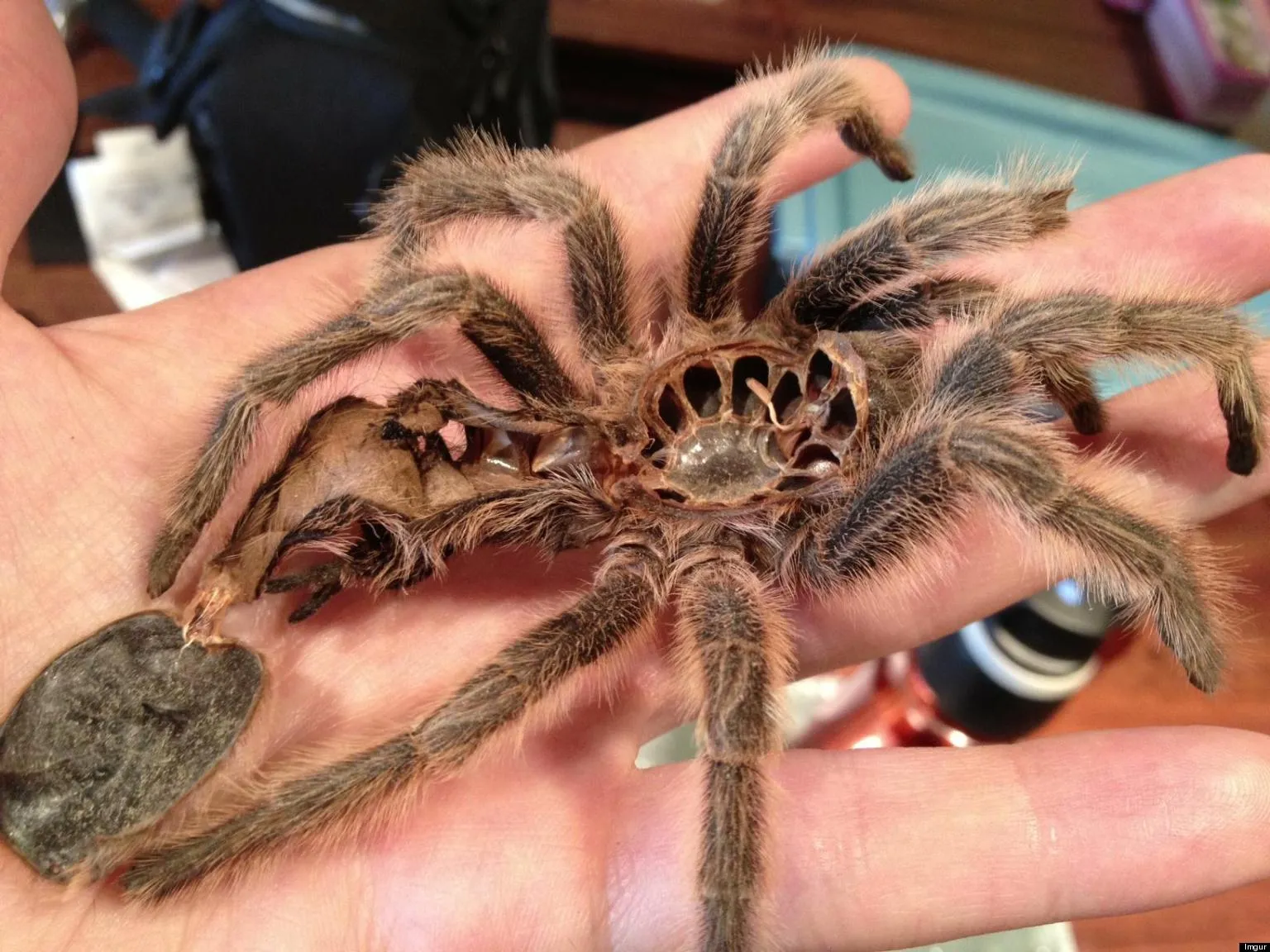
Caring for a tarantula can be a fascinating experience, and understanding the process of molting is crucial for ensuring your pet’s health and well-being. Molting is the natural process where a tarantula sheds its exoskeleton, revealing a new, larger one underneath. This guide will walk you through the five essential steps of tarantula molting, covering everything from preparation to post-molting care, helping you become a more informed and confident tarantula owner.
Understanding Tarantula Molting
Molting, in essence, is a tarantula’s way of growing. As an arthropod, a tarantula has an exoskeleton that doesn’t grow. The tarantula needs to shed this outer layer to develop. This process allows the tarantula to not only increase in size, but also to regenerate lost limbs and repair any minor injuries. During molting, the tarantula creates a new exoskeleton underneath the old one, and then sheds the old one. It’s a vulnerable time, and understanding the process can help you provide the best care.
What is Molting and Why it Matters
Molting is vital for a tarantula’s growth and overall health. The old exoskeleton becomes too restrictive as the tarantula grows, and the molting process provides the space and flexibility for continued development. It’s also essential for the regeneration of lost limbs or damage. The molting process isn’t just about size; it is also about renewing the external structures of the tarantula, ensuring they remain healthy and functional. A successful molt indicates a healthy tarantula.
Signs Your Tarantula is About to Molt

Recognizing the signs of an impending molt is crucial. By knowing these signs, you can adjust your care to support your tarantula during this vulnerable time. These signs can vary, but typically include a loss of appetite, lethargy, and the darkening of the abdomen. Providing a safe and stable environment during this period is critical for a successful molt.
Step 1 Preparation - Creating the Right Environment
Creating the right environment before molting is critical to the molting process. A well-prepared enclosure can significantly improve the chances of a successful molt. This includes ensuring the correct humidity and temperature levels, as these factors play a key role in the molting process. The substrate should also be appropriate for burrowing species and of a depth that ensures the tarantula can easily flip over if it gets stuck.
Maintaining Proper Humidity
Maintaining the correct humidity level is crucial for molting. Too little humidity can make the exoskeleton dry and tough, making it difficult for the tarantula to shed. Too much humidity, on the other hand, can lead to mold growth, which can be detrimental to the tarantula’s health. Use a hygrometer to monitor the humidity and adjust as needed by misting the enclosure or adjusting ventilation.
Temperature Regulation

Temperature plays a role in the molting process. The optimal temperature range for most tarantulas is between 70-80°F (21-27°C). Ensure that the enclosure temperature is stable during the pre-molt and molting stages. Avoid drastic temperature fluctuations. A stable environment reduces stress and helps the tarantula successfully complete the molting cycle.
Step 2 - Recognizing Pre-Molting Behaviors
Observing your tarantula’s behavior is key to understanding when it is preparing to molt. Several behavioral changes can signal that your tarantula is about to undergo this process. Identifying these signs allows you to adjust your care and provide appropriate support. This often includes reduced appetite, where the tarantula may refuse to eat, and also decreased activity levels.
Loss of Appetite
One of the most noticeable signs of an impending molt is a loss of appetite. Your tarantula may stop eating altogether or show less interest in food. This is a natural part of the process, and you should not force-feed your tarantula. Do not worry if your tarantula does not eat for several weeks; this is normal. The tarantula is conserving energy to prepare for the molt.
Lethargy and Immobility

During pre-molt, tarantulas often become less active and may spend more time in their burrow or a secluded area of the enclosure. They may also appear sluggish. Avoid handling your tarantula during this time, as they are more vulnerable and easily stressed. Providing a stress-free environment is essential to support a successful molt.
Step 3 - The Molting Process
The molting process itself is a remarkable event. The tarantula will typically lie on its back. The exoskeleton will split open, usually along the carapace and abdomen. The tarantula then slowly pulls itself out of the old exoskeleton. It’s a tiring process, and it can take anywhere from a few minutes to several hours, depending on the size and species of the tarantula.
Helping Your Tarantula During Molting
It’s crucial not to interfere with the molting process. Avoid touching or moving the tarantula during this time. The main thing you can do is provide a stable environment with the correct humidity and temperature. Ensure the tarantula has plenty of substrate to grip onto. If the tarantula appears to be struggling, resist the urge to intervene, unless absolutely necessary, and only if you have experience.
Step 4 - Post-Molting Feeding Guidelines

After molting, the tarantula’s new exoskeleton will be soft. It needs time to harden. Proper feeding is critical in the weeks following a molt to help the tarantula regain its strength and grow. Knowing when and what to feed your tarantula after a molt is essential for proper care. Patience and observation are key during this period.
When to Start Feeding Again
Wait until the tarantula’s fangs have fully hardened before offering food. This usually takes about a week to ten days, depending on the tarantula’s size and species. You can tell the fangs are hardened when they turn a darker color. Introducing food too early can cause serious injury to your tarantula. Be patient and observe your tarantula before offering any meals.
Appropriate Food Choices
Once the tarantula is ready to eat, offer small, easily manageable prey items. Crickets and mealworms are suitable options for most tarantulas. Avoid feeding large prey, as this can stress the tarantula. Start with one or two prey items and observe if the tarantula is eating properly. Ensure that the prey is not larger than the tarantula’s abdomen.
Step 5 - Troubleshooting Molting Problems

While most molts are successful, problems can sometimes occur. Understanding common issues and how to address them is part of responsible tarantula care. Being prepared to respond to potential problems can significantly improve the chances of a positive outcome. Knowing what to look for and what action to take can make all the difference.
Common Molting Issues
Several issues can arise during molting. A stuck molt occurs when the tarantula cannot fully shed its old exoskeleton. This is often due to low humidity or a lack of space. Another problem is a failed molt, which can happen if the tarantula is too weak or has underlying health issues. Knowing the potential issues helps in providing the best possible environment for your tarantula.
What to Do if Things Go Wrong
If your tarantula is struggling to molt, carefully assess the situation. For a stuck molt, you can try gently misting the area to increase humidity. However, do not attempt to pull the exoskeleton off. If the tarantula appears to be failing, it may be best to consult an expert. If the tarantula is unable to complete the molt, it is unlikely to survive. Providing the right environment and care is the best way to ensure a successful molt.
In conclusion, understanding the process of tarantula molting is essential for any tarantula keeper. By following these five steps, you can provide the best possible care for your pet. Creating the correct environment, recognizing pre-molting behaviors, and knowing how to respond to potential problems will help ensure your tarantula thrives. With patience, observation, and knowledge, you can enjoy the fascinating experience of watching your tarantula molt and grow.