What is Tarantula Molting
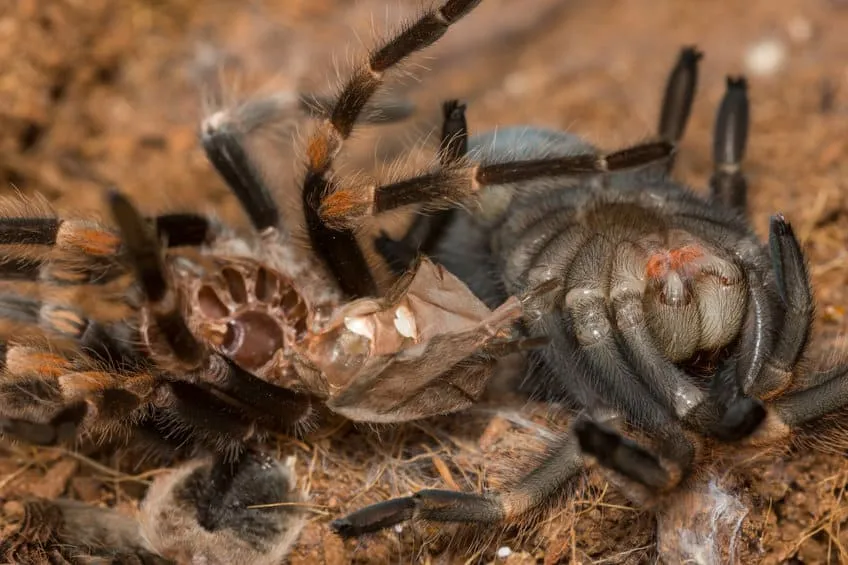
Tarantula molting, also known as ecdysis, is a fundamental biological process essential for the growth and survival of these fascinating creatures. Since tarantulas possess an exoskeleton, a rigid outer shell made of chitin, they cannot grow continuously. Instead, they must periodically shed their old exoskeleton and replace it with a new, larger one. This process allows the tarantula to increase in size, repair any injuries, and replace lost appendages. Molting is a significant event in a tarantula’s life, and understanding the process is crucial for responsible pet ownership. The frequency of molting decreases as the tarantula ages, with younger tarantulas molting several times a year, while adults may only molt once a year or even less frequently. The entire process is controlled by hormones and influenced by environmental factors such as humidity and temperature.
The Molting Process
The molting process itself is a delicate and complex undertaking for a tarantula. It involves several distinct stages, each crucial for the tarantula’s successful transformation. Preparing for the molt begins with the formation of a new exoskeleton underneath the old one. This new exoskeleton develops slowly, and the tarantula will often appear less active and may stop eating. As the molt approaches, the tarantula will position itself in a vulnerable location, usually on its back, and begin the process of shedding its old shell. The process can take anywhere from a few minutes to several hours, depending on the size and age of the tarantula, as well as environmental conditions.
Premolt Signs

Recognizing the signs of premolt is critical for providing the correct care. The first sign is often a change in the tarantula’s behavior. They may become less active, stop eating, and spend more time in their hide. Their abdomen may appear darker or more swollen. Another telltale sign is a change in color, particularly on the abdomen. Some species show a distinct darkening of the abdomen. Look for a bald patch on the abdomen of the tarantula, which is an indication of the premolt phase. The tarantula may also start constructing a web mat in preparation for the molt, especially if they are not already in a hide. During this period, it is very important to maintain proper humidity to ensure a successful molt, and to avoid disturbing the tarantula unnecessarily.
Molting Itself
During the molt, the tarantula will lie on its back, and its old exoskeleton will split open, usually along the carapace or the abdomen. The tarantula will then slowly wriggle out of its old shell, a process that requires considerable effort. The new exoskeleton is initially soft and vulnerable. It will need time to harden. The tarantula will use its legs to push and pull its body out of the old shell. It will also draw out its legs, pedipalps, and fangs. During this time, the tarantula is extremely vulnerable to any form of disruption. Do not attempt to interfere with the molting process, as this could severely injure the tarantula. The molt can take various times depending on the size and the age of the tarantula.
Post-Molt Care
After molting, the tarantula’s new exoskeleton will be soft and pliable. It needs time to harden. Avoid handling the tarantula immediately after molting, as the fangs are also soft. It should be given a few days to a week to harden up. Provide adequate humidity to assist the hardening process. Also, ensure your tarantula has access to fresh, clean water. Once the exoskeleton has hardened, the tarantula will be ready to eat. Start with small, easily digestible prey items, such as small crickets or mealworms. Monitor the tarantula’s feeding behavior and adjust the size of the prey accordingly. Avoid offering large prey items until the exoskeleton is fully hardened, as the tarantula may not be able to subdue it and could be injured.
Top 5 Tarantula Molting Secrets

Humidity and Temperature
Maintaining the correct humidity and temperature levels is crucial for successful molting. Humidity helps the tarantula shed its old exoskeleton, while temperature influences the molting process. The proper humidity level will vary depending on the species of tarantula, but generally, it’s best to research your specific species’ needs. Providing a water dish and misting the enclosure can help maintain the correct humidity. Temperature also plays an essential role, with temperatures generally between 75-85°F (24-29°C) being optimal for most species. Inadequate humidity or extreme temperature fluctuations can lead to molting problems such as stuck molts or dehydration.
Feeding During Molting
Feeding your tarantula correctly during the molting process is extremely important. During premolt, your tarantula will likely stop eating, which is a natural sign. Do not force feed the tarantula during this period. It is crucial not to offer food when the tarantula is showing signs of premolt. If you do feed your tarantula, the prey could injure them. It is best to wait until the tarantula’s exoskeleton has hardened before offering food again. After molting, start with small, easily digestible prey items to avoid overwhelming the tarantula. The tarantula’s appetite will increase as it recovers from the molt.
Dealing with a Stuck Molt
A stuck molt is a serious issue that can occur if the tarantula struggles to shed its old exoskeleton. This can happen due to low humidity, injury, or underlying health issues. If you notice a stuck molt, it’s crucial to take action to help your tarantula. Increasing humidity is the first step. You can do this by misting the enclosure more frequently. Gently help the tarantula by applying a small amount of warm water to the affected areas. If the molt is stuck around the fangs, carefully use a small, blunt tool to help dislodge the old shell. However, this is a delicate process, and you need to take care to avoid causing injury. In severe cases, you may need to consult an experienced tarantula keeper or a veterinarian specializing in exotic animals.
Recognizing Premolt
Recognizing premolt signs helps you anticipate the molting process and provide the best care. The most common signs of premolt are a loss of appetite, a darkening of the abdomen, and the appearance of a bald spot. Also, a tarantula preparing to molt is likely to appear less active and may spend more time in its hide. Observe your tarantula regularly to notice any behavioral changes. Monitoring these signs allows you to adjust the enclosure conditions, such as by increasing humidity, and avoiding any unnecessary disturbances. Be patient and understanding. Every tarantula molts differently, and knowing the signs allows you to support your pet through this vulnerable and important time.
Post-Molt Feeding and Care
After the molt, the tarantula’s new exoskeleton will be soft and vulnerable, especially its fangs. Provide a few days to a week for it to harden fully. Avoid handling the tarantula immediately after molting. Offer fresh, clean water, and monitor the tarantula’s drinking habits. Start feeding with small, easily digestible prey items, such as small crickets or mealworms. Gradually increase the size of the prey as the exoskeleton hardens. Watch carefully, and adjust your feeding schedule, depending on the species and individual needs of the tarantula. It’s important to observe the tarantula’s behavior and appetite to ensure they are eating and recovering well.
Common Molting Problems and Solutions

Stuck Molts
Stuck molts can be caused by low humidity, dehydration, or health issues. If you notice a stuck molt, increase the humidity in the enclosure by misting. Gently apply warm water to the affected areas. Consult with an experienced tarantula keeper or veterinarian for assistance if you cannot resolve the issue. Avoid pulling or forcing the tarantula out of its old shell, as this can cause serious injuries. Preventative measures, such as ensuring proper humidity and maintaining a healthy environment, are essential to minimizing the risk of stuck molts.
Dehydration
Dehydration can prevent a tarantula from molting successfully. Ensure the tarantula always has access to fresh water. If the tarantula is dehydrated, you may need to provide more frequent misting. Also, you can use a shallow water dish to ensure the tarantula can easily access the water. Dehydration can worsen during molting, so maintaining proper hydration is crucial. If the tarantula appears severely dehydrated, consult with a veterinarian to rule out any underlying health issues and receive the best treatment.
Injury During Molting

Tarantulas are very vulnerable during molting and are susceptible to injury. Avoid disturbing the tarantula during the molting process. Make sure there are no sharp objects or rough surfaces in the enclosure that could harm the tarantula as it sheds its old exoskeleton. Be especially cautious if you have other pets in the house. If the tarantula suffers an injury during molting, seek veterinary advice immediately. The tarantula’s new exoskeleton can take a few days to harden. During this time, provide a safe and stress-free environment for the tarantula to recover.