Top 5 Facts About Tarantulas Online Canada
Tarantulas are fascinating creatures, and the prospect of buying one online in Canada is becoming increasingly popular. But before you delve into the world of these eight-legged wonders, it’s important to arm yourself with knowledge. This guide provides essential facts and insights into the world of tarantulas, specifically focusing on the Canadian market. From understanding their origins to learning about their care, this article equips you with the necessary information to make informed decisions and ensure a healthy and happy life for your new pet. Prepare to be amazed by the diversity and intrigue of tarantulas, and discover why they make such compelling companions.
What is a Tarantula
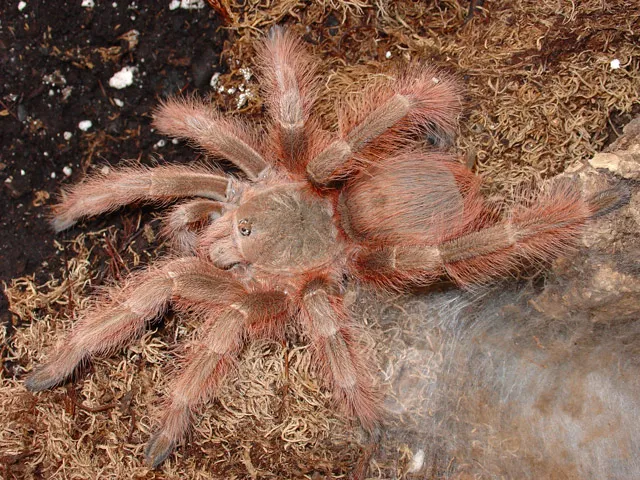
Tarantulas are large, hairy spiders belonging to the Theraphosidae family. These arachnids are known for their impressive size, with some species boasting leg spans of over 10 inches. They are typically found in tropical and subtropical regions around the world, and while they may appear intimidating, most tarantulas are relatively docile and not particularly dangerous to humans. Their venom is generally mild, comparable to a bee sting. However, their impressive size and unique appearance have made them popular pets for those seeking an unusual and captivating companion. Owning a tarantula is a rewarding experience for those who appreciate the beauty and intricacy of the natural world.
Origin of Tarantulas

The origins of tarantulas can be traced back millions of years, with fossil evidence suggesting their existence during the Carboniferous period. These ancient spiders have evolved and diversified over time, adapting to various environments across the globe. They are native to regions spanning from the Americas to Africa, Asia, and Australia. Their evolution has resulted in a wide array of species, each with unique characteristics and adaptations. The name “tarantula” itself has an interesting history, believed to be derived from the town of Taranto in Italy, where a similar but unrelated spider, the wolf spider, was once prevalent. Understanding their origins provides insight into the resilience and adaptability of these remarkable creatures.
Tarantula Species Available in Canada
When considering buying a tarantula online in Canada, it’s important to know which species are commonly available. The availability of tarantulas in Canada depends on import regulations, climate suitability, and the popularity among hobbyists. Some of the species you might find include the Mexican Red Knee (Brachypelma hamorii), known for its striking colors and docile nature, making it a popular choice for beginners. Other options might include the Chilean Rose Hair (Grammostola rosea), which is also known for its gentle disposition and is well-suited for novice owners. The selection can vary, so it is crucial to check with reputable online dealers for current availability and to ensure that the species you are considering is legal to own in your province or territory.
Popular Tarantula Types in Canada
Various tarantula species have gained popularity among Canadian enthusiasts. The Mexican Red Knee remains a favorite due to its striking appearance and manageable temperament. The Chilean Rose Hair is another top choice, appreciated for its ease of care and relatively calm demeanor. Other species that are frequently sought after include the Cobalt Blue Tarantula (Cyaneopubescens), known for its vibrant coloration, and the Texas Brown Tarantula (Aphonopelma hentzi), which is native to North America. The best type for you depends on your experience level, the space you can provide, and the level of interaction you desire with your pet. Researching different species and their specific needs will help you make an informed decision.
Caring for Your Tarantula Online Canada

Habitat and Housing
Providing the right habitat is crucial for a tarantula’s well-being. A suitable enclosure should be appropriately sized for the species and the spider’s size, with plenty of space for movement. Ensure the enclosure has a secure lid to prevent escape. Substrate is another key element; a mix of coco fiber, peat moss, and vermiculite is usually ideal, providing both humidity and a place for burrowing. Decorate the enclosure with elements like cork bark, artificial plants, and a water dish. The setup should mimic the tarantula’s natural environment as much as possible. Regular maintenance involves spot cleaning the substrate and removing uneaten food to prevent the buildup of mold and bacteria. Providing an optimal environment contributes greatly to the health and longevity of your tarantula.
Feeding and Diet
Feeding your tarantula is a simple but important task. Their diet primarily consists of insects, such as crickets, mealworms, and roaches. The frequency of feeding depends on the tarantula’s age and species. Spiderlings typically need to be fed more often than adults. Provide appropriately sized insects; the prey should be no larger than the tarantula’s abdomen. Remove uneaten food after 24 hours to prevent mold and mites. It is also essential to provide a shallow water dish with fresh water. Avoid handling your tarantula directly after feeding, as they are more vulnerable during the digestion process. Proper nutrition ensures the tarantula’s health and facilitates healthy growth.
Health and Handling

Tarantulas are generally hardy, but some health issues can arise. Regularly check your tarantula for signs of illness, such as lethargy, loss of appetite, or unusual behavior. Parasites, such as mites, can also be a problem. If you suspect an illness or infestation, consult a veterinarian experienced with exotic animals. Handling tarantulas should be done with caution. While most species are not aggressive, they can bite if provoked. Bites from tarantulas are not usually medically significant, but can be painful and cause local reactions. Avoid handling your tarantula unless necessary, and always be gentle. Washing your hands before and after handling is also advisable to maintain hygiene and reduce the risk of disease transmission.
Where to Buy Tarantulas Online in Canada
Reputable Online Dealers
Buying a tarantula online offers convenience, but it’s vital to choose a reputable dealer. Look for established online retailers with positive reviews and a strong reputation for ethical practices. Check their website for clear information about their tarantulas, including species, origin, and care instructions. A good dealer will be knowledgeable and willing to answer your questions. They should also guarantee the health of their tarantulas and provide safe and reliable shipping options. Researching various dealers, comparing prices, and checking their customer service will help ensure a positive experience and that you receive a healthy tarantula.
Things to Consider Before Buying

Before purchasing a tarantula online, consider several factors. First, research different species to find one that matches your experience level and lifestyle. Beginners often do best with docile species. Be prepared to provide appropriate housing, a suitable diet, and proper environmental conditions. Determine if owning a tarantula is legal in your province or territory, as some restrictions may apply. Consider the long-term commitment, as tarantulas can live for many years. Finally, be ready to provide the care and attention that these fascinating creatures require. Thorough research and planning will ensure a rewarding experience for both you and your new pet.
In conclusion, buying a tarantula online in Canada can be a rewarding experience, but it requires thorough preparation. From understanding their origins and selecting a suitable species to providing proper care and finding a reputable dealer, this guide covers all the essentials. Remember to prioritize the tarantula’s well-being by creating an appropriate habitat, feeding it a healthy diet, and handling it with care. By taking the time to learn about these incredible creatures, you can enjoy the unique pleasure of owning a tarantula and appreciate their remarkable beauty and intriguing behaviors.