
Tarantula Pet? Top 5 Things to Know
Considering a tarantula as a pet is a big decision. These fascinating creatures can be captivating additions to a home, but they also come with unique needs and considerations. This guide will explore the top five things you need to know before welcoming a tarantula into your life, helping you determine if this exotic pet is the right choice for you. From understanding their basic biology to the specific requirements of their care, we will cover everything to give you a complete view on tarantula ownership. Let’s delve into the world of tarantulas to see if this is the right pet for you.
What are Tarantulas
Tarantulas are large, hairy spiders belonging to the Theraphosidae family. They are found in various habitats worldwide, primarily in tropical and subtropical regions. Known for their size and distinctive appearance, tarantulas are often misunderstood. They are not aggressive by nature and usually prefer to hide or run away when threatened. Their venom, while present, is generally not considered lethal to humans, though the bite can be painful. Understanding their nature is key to responsible pet ownership.
Diversity of Tarantula Species

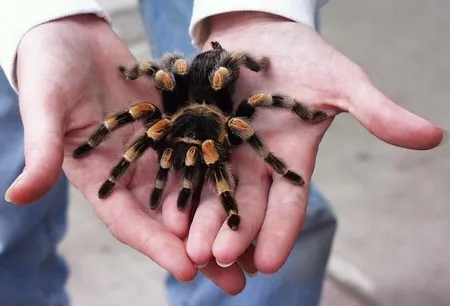
The tarantula family encompasses a wide variety of species, each with its own unique characteristics. Some of the most popular species kept as pets include the Chilean Rose Hair tarantula, known for its docile temperament and beautiful coloration, and the G. pulchra, also known as the Brazilian Black tarantula. Other popular species are the Mexican Red Knee and the Cobalt Blue tarantula, known for their striking colors. Each species requires specific care, including variations in humidity, temperature, and feeding habits. Researching specific species is critical before acquiring a tarantula.
Tarantula Habitats
Tarantulas can be found in a diverse range of habitats, from the rainforest floors to arid deserts. Terrestrial tarantulas live on the ground, often in burrows, while arboreal species live in trees. Knowing the natural habitat of a tarantula species helps in replicating its environment in captivity. This includes providing the correct substrate, temperature, and humidity levels. Mimicking the natural environment helps tarantulas thrive, reducing stress and promoting their overall well-being. Different environments require different care levels, so the habitat must be well-researched.
Tarantula Lifespan and Size
Tarantulas are known for their longevity, with some species living for over 20 years, particularly females. Males generally have shorter lifespans, often only a few years. Size varies greatly depending on the species, ranging from small, palm-sized spiders to those with leg spans exceeding 10 inches. The size of a tarantula also impacts the space it requires in captivity. When considering a tarantula as a pet, it’s essential to understand their lifespan and the space requirements of the species you’re considering.
Pros of Owning a Tarantula

Low Maintenance
Compared to other pets, tarantulas are relatively low-maintenance. They require minimal interaction, and their care primarily involves providing food, water, and maintaining the correct environmental conditions. They don’t need daily walks, grooming, or constant attention, which makes them suitable for people with busy lifestyles. Cleaning is also relatively simple, as it involves spot-cleaning the enclosure and changing the substrate periodically. This ease of care can be a significant advantage for those seeking a less demanding pet.
Fascinating Observation
Owning a tarantula provides a unique opportunity to observe these incredible creatures up close. Watching their feeding behaviors, molting processes, and natural movements is an educational and rewarding experience. Tarantulas are also quite beautiful, with varied colors and patterns. Observing these behaviors gives a new perspective to the natural world. Many owners find the experience of watching a tarantula fascinating and are able to observe different behavior traits.
Space Requirements

Tarantulas typically do not require a lot of space. A properly sized enclosure can often fit in a small space. This makes them suitable for people living in apartments or smaller homes. The size of the enclosure depends on the tarantula species and its size, with larger tarantulas needing more space. However, in general, tarantulas do not demand large living areas, making them a practical option for those with limited space. This also offers a great way to own an animal when living in a smaller space.
Cons of Owning a Tarantula
Venom and Bites
Although tarantula bites are rarely life-threatening to humans, they can be painful. The effects of a bite vary depending on the species and the individual, ranging from mild discomfort to more significant local reactions. Some tarantulas also have urticating hairs, which they can flick off their abdomen as a defense mechanism. These hairs can cause skin irritation and itching if they come into contact with human skin. Handling should be minimized to avoid bites or irritation.
Specific Needs

Tarantulas have specific environmental requirements that must be maintained to ensure their health and well-being. This includes the correct temperature, humidity, and substrate. These needs can vary greatly depending on the species. They require specific feeding, and maintaining these conditions can be challenging for some owners. This often requires special equipment, like thermometers and humidifiers. Understanding these demands and being willing to meet them is crucial.
Limited Interaction
Tarantulas are not pets that crave interaction. They are solitary creatures that prefer to be left undisturbed. Unlike dogs or cats, tarantulas don’t enjoy being handled, and excessive handling can stress them. Their behavior is not social, and most of their time is spent hiding or moving around. If you’re looking for a pet that offers close interaction, a tarantula may not be the right fit. The lack of interaction is an important consideration for potential owners.
Cost and Availability
Initial Setup Costs

The initial setup for a tarantula can involve several costs. This includes the cost of the tarantula itself, the enclosure, substrate, decorations, and any necessary heating or lighting equipment. Depending on the species and the size of the enclosure, these costs can vary significantly. Researching the equipment and supplies needed before acquiring a tarantula can help in planning the budget. Some rarer species can be more expensive, so do the required research beforehand.
Ongoing Expenses
Besides the initial setup, there are ongoing expenses to consider. This includes food, which usually consists of insects, as well as the cost of replacing substrate and any equipment. Maintaining the correct environment may also involve the cost of electricity for heating or lighting. Regularly replacing supplies ensures the continued health and happiness of your tarantula. Budgeting for these ongoing costs is an essential part of tarantula ownership.
Where to Get a Tarantula
Reputable Breeders
Purchasing a tarantula from a reputable breeder is one of the best options. Breeders provide healthy specimens and often offer valuable information about the species. You can research breeders online, at reptile shows, or through online forums. Choosing a breeder who prioritizes the health and well-being of their animals can help ensure you get a healthy and well-cared-for tarantula. It is best practice to research the reputation of any breeder.
Local Pet Stores
Local pet stores can be another source for tarantulas. While the selection may be limited, some stores specialize in exotic pets and can provide guidance on care. When buying from a pet store, it is crucial to check the health of the tarantula and ensure the store maintains good husbandry practices. Check to see that enclosures are clean, the animal appears healthy and well-fed, and that the staff is knowledgeable about the species. Knowing this will lead to a better pet ownership experience.
Online Tarantula Marketplaces
Online marketplaces offer a vast selection of tarantulas from various breeders and sellers. This option allows you to compare species, prices, and seller reviews. Be cautious when buying online and verify the seller’s reputation. Look for sellers with positive reviews, good shipping practices, and clear information about the tarantula’s origin. Make sure to understand the seller’s shipping policies and guarantees before making a purchase, and never be afraid to ask for additional information about the tarantula.
Tarantula Care Essentials
Enclosure Requirements
The enclosure is one of the most critical aspects of tarantula care. The enclosure should be properly sized, well-ventilated, and secure to prevent escapes. The size of the enclosure depends on the species and the size of the tarantula. Provide a secure lid to prevent escapes and consider the tarantula’s natural environment when designing the enclosure. The enclosure should be easy to clean and should provide enough space for the tarantula to move around and feel secure. A good enclosure also provides enrichment opportunities.
Substrate Selection
The substrate is the bedding material at the bottom of the enclosure, which is critical for maintaining humidity and allowing the tarantula to burrow or hide. Suitable substrates include coconut fiber, peat moss, and a mixture of both. The type of substrate will depend on the species. Ensure the substrate is non-toxic and free of chemicals. Change the substrate regularly to maintain hygiene and prevent the buildup of harmful bacteria. The proper substrate provides essential support for tarantulas.
Temperature and Humidity Control
Temperature and humidity are crucial for a tarantula’s health and well-being. Most species thrive in temperatures between 75°F and 85°F (24°C and 29°C). Humidity levels vary depending on the species but should be monitored using a hygrometer. Use a heat source, like a heat mat, and a water dish to regulate the environment. Regular misting with water may be necessary to maintain humidity levels. Stable temperature and humidity are essential for a tarantula to live a long, healthy life.
Feeding Your Tarantula
Appropriate Food Items
Tarantulas are carnivores and feed primarily on insects. Appropriate food items include crickets, mealworms, dubia roaches, and other commercially available insects. The size of the food should be appropriate for the tarantula’s size; the prey should be no larger than the tarantula’s body. It’s best practice to gut-load the insects before feeding them to provide additional nutrients. Avoid feeding your tarantula wild-caught insects, as they may contain pesticides or parasites that can harm your pet. Always use a quality, safe food source.
Feeding Frequency
The feeding frequency for tarantulas varies depending on their age and species. Spiderlings typically need to be fed more frequently, while adult tarantulas can be fed less often. As a general guideline, juveniles are often fed two to three times a week, while adults can be fed once a week or even less. Observe your tarantula’s feeding habits. If they refuse food, this could be a sign of molting. Remove uneaten food items within 24 hours to maintain hygiene and prevent stress.