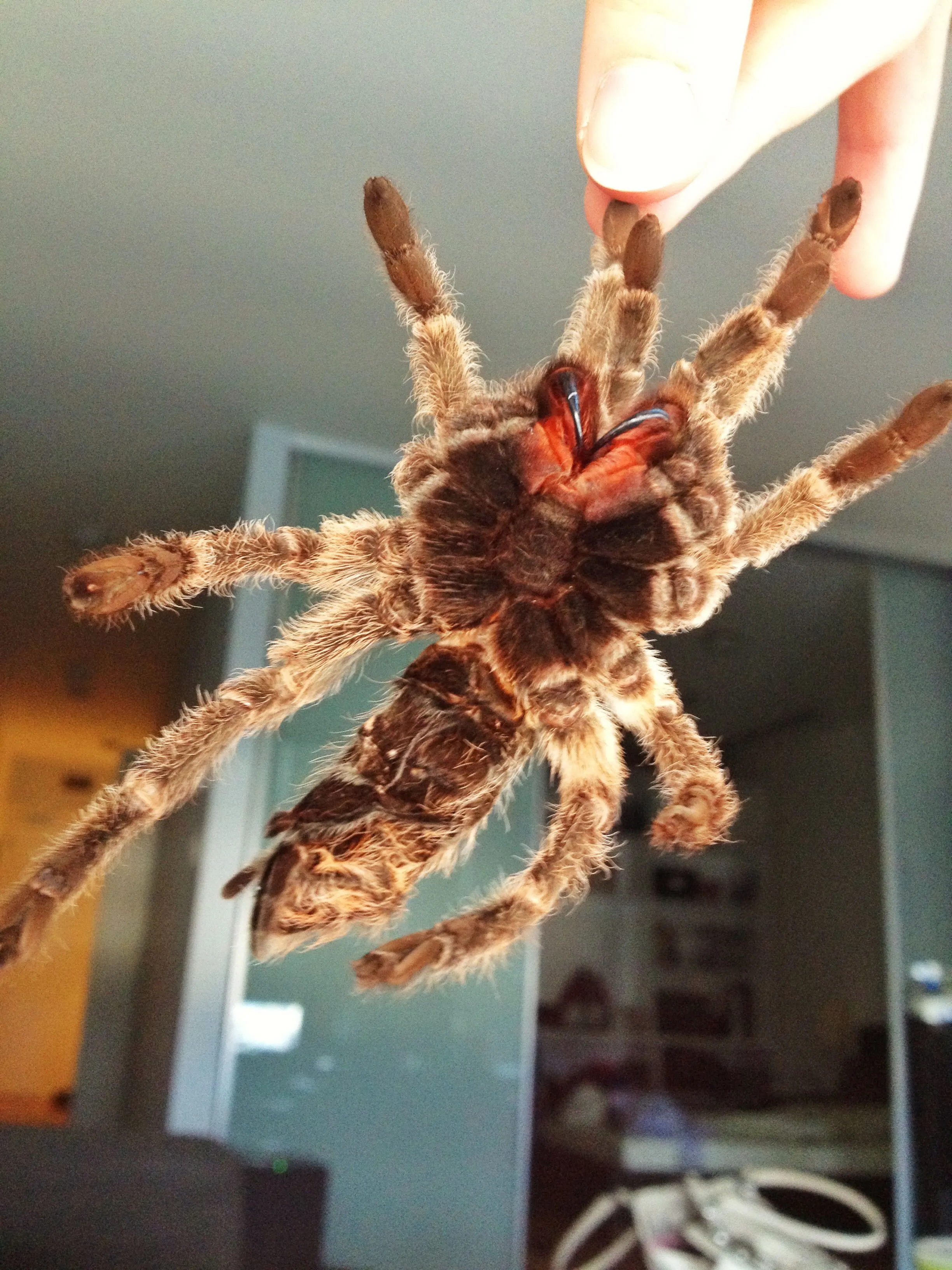
What is Molting
Molting, or ecdysis, is a fundamental biological process for tarantulas, crucial for their growth and survival. It’s the periodic shedding of their exoskeleton, a rigid outer covering that protects and supports their bodies. As tarantulas grow, their exoskeletons become too small, restricting their movement and development. Molting allows them to shed this old, confining shell and reveal a new, larger one. This process isn’t just about size; it’s also about renewing and repairing various body parts, ensuring the tarantula remains healthy and functional. Understanding molting is key to appreciating the unique biology of these fascinating creatures, as it underscores their adaptability and resilience in the face of environmental challenges. The frequency of molting varies depending on the tarantula’s age, with juveniles molting much more frequently than adults.
The Exoskeleton Explained
The exoskeleton is the hard, protective outer layer of a tarantula, composed primarily of chitin, a complex carbohydrate, and proteins. Unlike our internal skeletons, the exoskeleton is external, providing support and protection from predators and environmental hazards. This structure is not just a shell; it also serves as an attachment point for muscles, enabling movement. The exoskeleton is divided into segments, allowing for flexibility and movement, especially in the legs and abdomen. This design allows tarantulas to navigate diverse terrains and perform various activities, such as hunting and burrowing. However, the rigidity of the exoskeleton is also its limitation, necessitating the molting process to accommodate growth.
What is the function of Exoskeleton

The exoskeleton serves multiple critical functions for a tarantula. Firstly, it provides structural support, acting as the framework for the spider’s body. Secondly, it offers protection against predators, physical damage, and environmental stressors. The hard shell acts as a barrier, making it difficult for predators to penetrate. Thirdly, the exoskeleton helps in water conservation by preventing excessive water loss, which is essential for survival in arid environments. Finally, the exoskeleton provides attachment points for muscles, enabling movement and locomotion. Without the exoskeleton, tarantulas would be vulnerable and unable to perform their daily activities, making it an essential part of their biology.
Why do Tarantulas Molt
Tarantulas molt for several key reasons, the most significant being growth. As they mature, their bodies outgrow their exoskeletons, which cannot expand. Molting allows them to shed the old shell and reveal a larger one. Additionally, molting is a renewal process. It allows tarantulas to replace damaged or worn parts, such as lost limbs or damaged hairs, and to eliminate internal parasites. During molting, the tarantula also creates a new lining for its digestive tract and respiratory organs, enhancing their function. This process is a necessary part of their life cycle, ensuring they remain healthy and capable of thriving in their environment.
Growth and Development
Growth and development in tarantulas are directly linked to molting. As juveniles, they molt frequently, sometimes every few weeks or months, to accommodate rapid growth. The frequency decreases as they reach adulthood. Each molt allows the tarantula to increase in size, with the new exoskeleton providing a slightly larger space for its body. The process is not just about size; it also involves the development of internal organs and the refinement of physical characteristics. With each molt, the tarantula refines its appearance, develops more potent venom, and matures its reproductive system. This cyclical process is essential for the tarantula to reach its full potential and live a long, healthy life.
Regeneration

Molting allows tarantulas to regenerate lost limbs or damaged body parts. If a tarantula loses a leg due to a predator attack or other injury, it can often regrow it during a molt. The new limb will be smaller than the original, but with each subsequent molt, it will grow closer to its original size. This regeneration process is remarkable and demonstrates the tarantula’s resilience and adaptability. It is crucial for survival, allowing them to maintain their ability to hunt, move, and defend themselves. The efficiency of regeneration varies depending on the tarantula’s age and the severity of the injury, but it highlights the incredible regenerative capabilities of these creatures.
Top 5 Fascinating Facts About Tarantula Molting
Fact 1 The Process Time
The molting process can take varying amounts of time, depending on the tarantula’s size, age, and environmental conditions. Smaller, younger tarantulas typically molt faster, sometimes completing the process in a few hours. Larger, older tarantulas can take several days or even weeks to complete the molt. The process involves several stages, including pre-molt, during molt, and post-molt. During pre-molt, the tarantula stops eating and may become lethargic. The actual molting process involves the spider extracting itself from its old exoskeleton, a delicate and vulnerable time. Post-molt, the tarantula’s new exoskeleton is soft and requires time to harden. Understanding the timeline is crucial for providing appropriate care during each stage.
Fact 2 How the Tarantulas Molt

The molting process is a remarkable feat of biology. It begins with the tarantula forming a new exoskeleton beneath the old one. The spider then absorbs fluids from its old exoskeleton, causing it to split open, typically along the carapace (the top part of the cephalothorax) and the abdomen. The tarantula then wriggles out of its old skin, leaving behind a near-perfect replica of itself. The spider inflates its body with hemolymph (spider blood) to stretch and expand the new exoskeleton. This process is incredibly energy-intensive, and the spider is extremely vulnerable during this time. The tarantula must carefully maneuver itself out of the old exoskeleton without getting stuck or damaged, a testament to their innate survival mechanisms.
Fact 3 What to Do During Molting
During molting, it’s crucial to provide a safe and stable environment for your tarantula. Avoid disturbing the spider or its enclosure, as any stress can be detrimental. Maintain the appropriate temperature and humidity levels for the species. Ensure the enclosure is free of potential hazards, such as sharp objects or anything the tarantula could get caught on. Do not feed the tarantula during the molting process; it will not eat and may even be harmed by being approached. Keep a close eye on the tarantula for any signs of distress, but otherwise, let the process unfold naturally. Patience and a hands-off approach are key to helping your tarantula molt successfully.
Fact 4 What to Expect after Molting
After molting, your tarantula will be noticeably different. The new exoskeleton will be soft, and the spider will appear pale and fragile. It will take several days or even weeks for the exoskeleton to harden fully. During this time, avoid handling the tarantula, as it is vulnerable to injury. Offer water, but do not feed it until its fangs have hardened, as it will be unable to eat properly. Once the fangs are hardened, you can offer food, but start with smaller prey items. You may notice a significant increase in size, and the colors of your tarantula may appear more vibrant. Molting is a rejuvenating process, and your tarantula will be healthier and more active after it is complete.
Fact 5 How to Care for a Molting Tarantula

Caring for a molting tarantula requires a few key considerations. Firstly, maintain the correct temperature and humidity levels for the species. Secondly, ensure a safe enclosure free of hazards. Thirdly, avoid handling or disturbing the tarantula during molting. Fourthly, do not feed the spider until its fangs have hardened. Provide a shallow water dish to ensure hydration. Observe the tarantula’s behavior and environment closely for any signs of problems. Be patient and allow the molting process to run its course naturally. By following these steps, you can help your tarantula molt successfully and continue to thrive.
Common Problems During Molting
Stuck Molt
A stuck molt occurs when the tarantula has difficulty shedding its old exoskeleton. This can be caused by low humidity, dehydration, or environmental stress. Signs of a stuck molt include the tarantula being unable to extract itself from the old skin, parts of the old exoskeleton remaining attached, and the spider appearing lethargic and weak. If you suspect a stuck molt, gently mist the enclosure to increase humidity. Ensure the tarantula has access to water. Avoid trying to pull the old skin off; this could injure the spider. In severe cases, you may need to consult a veterinarian or experienced tarantula keeper for assistance. Prevention through proper care is key to avoiding this issue.
Dehydration

Dehydration is a significant risk during molting. If the tarantula is dehydrated, its exoskeleton may not split properly, leading to a stuck molt. Symptoms of dehydration include a shriveled appearance, lethargy, and a reluctance to move. To prevent dehydration, ensure a constant supply of fresh water. Maintain the correct humidity levels for the species. Observe the tarantula for any signs of dehydration and address them promptly. If the tarantula appears dehydrated, gently mist the enclosure and provide access to water. Careful attention to hydration is crucial to ensure a successful and healthy molting process.
Conclusion
Molting is a fascinating and essential process in the life of a tarantula, allowing for growth, regeneration, and overall health. Understanding the process and providing proper care ensures that these amazing creatures thrive. By learning about the exoskeleton, the reasons for molting, and the steps involved, tarantula keepers can better support their pets through this critical phase. Remember to maintain the correct environmental conditions, avoid unnecessary disturbances, and offer appropriate care before, during, and after the molt. With proper care and a little patience, you can witness the remarkable transformation of your tarantula and appreciate the wonders of their biology. Continue to learn and observe, and you will be rewarded with a healthy and thriving pet.