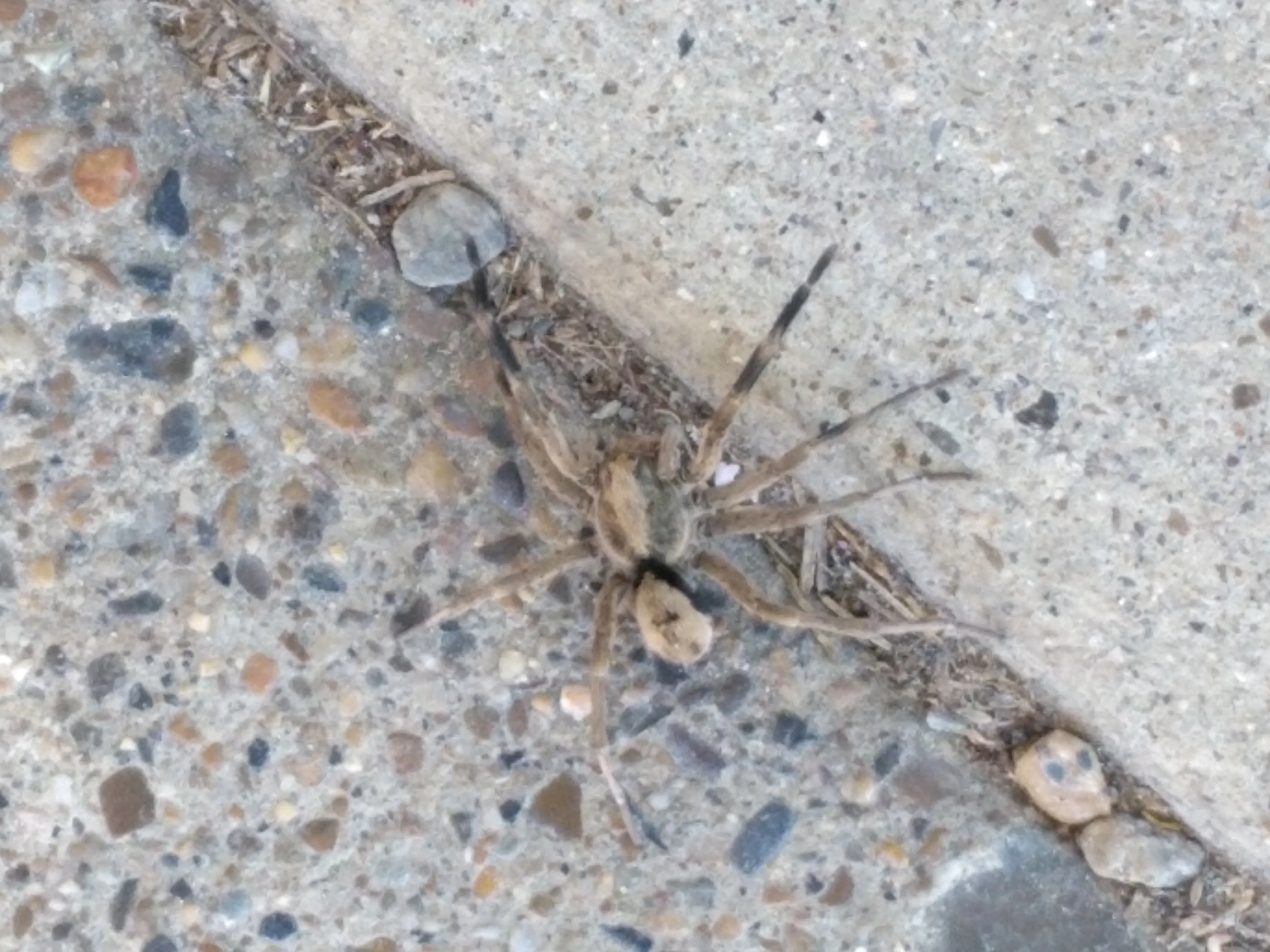
Arkansas Tarantula Spiders Top 5 Facts
Arkansas is home to a fascinating array of wildlife, and among its most intriguing inhabitants are tarantula spiders. These large, hairy arachnids often evoke a mix of fear and fascination. Understanding these creatures is crucial for anyone living in or visiting Arkansas. This article delves into five key facts about Arkansas tarantula spiders, shedding light on their characteristics, behavior, and significance in the local ecosystem. From their appearance and habitat to their life cycle and potential dangers, we’ll uncover what makes these spiders unique and how to interact with them safely. This exploration will provide valuable insights into the world of Arkansas tarantulas.
What Are Tarantulas?
Tarantulas are large, hairy spiders belonging to the Theraphosidae family. They are known for their size, with some species having leg spans that can exceed 10 inches. Unlike many other spiders, tarantulas are generally not considered to be as venomous to humans, although their bite can still be painful. They are primarily nocturnal hunters, using their fangs to inject venom into their prey. Their bodies are covered in fine hairs, some of which can be irritating if they come into contact with the skin. Tarantulas are found in various habitats, from tropical rainforests to deserts, with different species adapting to their specific environments. Their impressive size and unique characteristics have made them a subject of both scientific study and popular interest.
Tarantula Spider Appearance
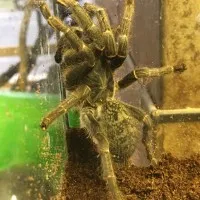
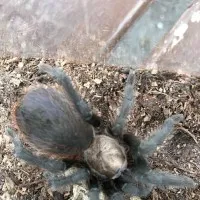
Tarantulas are easily recognized by their large size and hairy bodies. The coloration varies significantly depending on the species and habitat, ranging from shades of brown and black to vibrant hues of orange, red, and blue. They possess eight legs, two pedipalps (used for sensing and manipulating prey), and two chelicerae (fangs). Their bodies are divided into two main parts: the cephalothorax (fused head and thorax) and the abdomen. The cephalothorax contains the eyes, mouthparts, and legs, while the abdomen houses the internal organs. The hairs covering the body can serve various purposes, including sensory perception, defense, and even helping to retain moisture in drier environments. The overall appearance of a tarantula is both imposing and fascinating, making it a remarkable creature in the animal kingdom.
Habitat and Distribution of Tarantulas
Tarantulas inhabit a wide range of environments across the globe. They are commonly found in tropical and subtropical regions, including rainforests, grasslands, and deserts. Within these areas, they adapt to various microhabitats, such as burrows in the ground, under rocks, or within tree hollows. The distribution of tarantulas is influenced by factors like climate, prey availability, and the presence of suitable shelter. In Arkansas, tarantulas are typically found in areas with favorable conditions, such as wooded areas, fields, and along riverbanks. Their ability to burrow allows them to regulate their body temperature and avoid extreme weather conditions. Understanding their habitat helps in appreciating their survival strategies and contributes to their conservation.
Tarantulas in Arkansas
Arkansas is home to several species of tarantulas, adding to the state’s biodiversity. These spiders are often found in the southern and western parts of the state, where the climate and terrain provide suitable habitats. They are typically seen during the warmer months, especially in late summer and early fall, when males are actively searching for mates. While they may appear intimidating, Arkansas tarantulas generally pose little threat to humans unless provoked. Their presence is an indicator of a healthy ecosystem, as they play a vital role in controlling insect populations. Observing these spiders in their natural habitat can be a rewarding experience, offering a glimpse into the intricate web of life in Arkansas.
Specific Species Found

The most commonly found tarantula species in Arkansas is the Texas Brown Tarantula (Aphonopelma hentzi). This species is well-adapted to the state’s environment, often found in burrows or under rocks. These tarantulas are typically brown in color and have a moderate size, with leg spans averaging around 4-5 inches. Other species might occasionally be spotted, but the Texas Brown is the most prevalent. Identifying specific species requires careful observation of physical characteristics, such as coloration, size, and the arrangement of hairs. The presence of these spiders is a testament to the diverse ecosystems found throughout Arkansas, and their study provides valuable insights into the state’s natural history.
Behavior and Characteristics
Tarantulas are generally nocturnal, spending the day in their burrows or hiding spots and emerging at night to hunt. They are solitary creatures, except during mating season, when males seek out females. Their behavior includes defensive postures, such as raising their front legs and displaying their fangs, if they feel threatened. They also have the ability to flick urticating hairs from their abdomen as a defense mechanism, which can cause skin irritation. These spiders are ambush predators, waiting patiently for prey to come within striking distance. Their keen senses help them detect vibrations and movements, making them effective hunters. Understanding their behavior is essential for safe encounters and appreciating their place in the ecosystem.
Tarantula Spider Diet
Tarantulas are primarily carnivores, with their diet consisting mainly of insects and other invertebrates. Their hunting strategies vary depending on the species and the environment they inhabit. They use their fangs to inject venom into their prey, which immobilizes it and begins the digestive process. They then use their chelicerae to grind up the prey into a liquid form, which they consume. The size of their prey can range from small insects to larger creatures, such as small lizards or mice, depending on the size and species of the tarantula. Their role as predators helps to control insect populations, contributing to the balance of the ecosystem.
What Do They Eat?

The diet of tarantulas mainly includes insects like crickets, grasshoppers, and beetles. However, they are opportunistic hunters and will consume a variety of other invertebrates, such as centipedes and other spiders. Larger tarantulas may also prey on small vertebrates, including lizards, mice, and even small birds. The availability of food in their habitat influences their diet. Young tarantulas typically consume smaller insects, while adults are capable of taking down larger prey. Their ability to adapt to their environment and consume a wide range of food sources is key to their survival and ecological importance.
How They Hunt?
Tarantulas are ambush predators, relying on patience and stealth to catch their prey. They typically wait in or near their burrows, sensing vibrations in the ground or air. When prey comes within striking distance, they quickly lunge forward, injecting venom with their fangs. The venom paralyzes the prey, making it easier to consume. Tarantulas also use their pedipalps and chelicerae to crush and manipulate their prey. They often drag their prey back to their burrow to feed in safety. Their hunting strategy is well-adapted for their environment, allowing them to efficiently capture food.
Tarantula Spider Life Cycle
The life cycle of a tarantula is a fascinating process that involves several stages, including egg, spiderling, juvenile, and adult. The duration of each stage varies depending on the species, environmental conditions, and availability of food. Tarantulas go through molting, shedding their exoskeleton to allow for growth. This process can be stressful and leaves them vulnerable. Understanding their life cycle helps in appreciating their resilience and adaptability.
Mating and Reproduction
Mating in tarantulas typically occurs in the late summer or early fall. Male tarantulas leave their burrows in search of females, often traveling considerable distances. They locate females by detecting pheromones or vibrations. The male must carefully approach the female, as she may perceive him as prey. The mating process involves a series of rituals, after which the male quickly retreats to avoid being eaten. The female lays her eggs in a silken egg sac, which she fiercely guards. The spiderlings hatch within the sac and undergo several molts before dispersing to establish their own territories. The reproduction cycle is essential for maintaining their population.
Lifespan of Tarantulas
Tarantulas have relatively long lifespans compared to other spiders. Females can live for several decades, while males typically have shorter lifespans, often dying shortly after mating. The exact lifespan depends on various factors, including species, diet, and environmental conditions. The long lifespan of females allows them to reproduce multiple times throughout their lives, contributing to the population’s stability. Their longevity is one of the many aspects that make tarantulas unique and intriguing creatures.
Are Arkansas Tarantula Spiders Dangerous?
While tarantulas may appear intimidating, they are generally not considered highly dangerous to humans. Their venom is not particularly potent, and their bites are typically less severe than a bee sting. However, bites can cause pain, localized swelling, and muscle cramps. The greatest danger comes from the potential for allergic reactions or secondary infections. Proper precautions and first aid measures are important. Understanding the risks and taking appropriate steps can help ensure safe interactions with these spiders.
Venom and Bites
The venom of a tarantula is primarily used to subdue prey and is not highly toxic to humans. A tarantula bite can be painful, causing symptoms like redness, swelling, and itching. The severity of the reaction varies depending on the individual and the amount of venom injected. Bites are rare, as tarantulas prefer to avoid conflict. However, if bitten, it is essential to clean the wound thoroughly and seek medical attention if symptoms worsen or an allergic reaction occurs. It is advisable to avoid handling tarantulas unless necessary and to take precautions if encountered.
First Aid
If bitten by a tarantula, the first step is to remain calm and remove any jewelry or tight clothing around the bite area, as swelling may occur. Clean the wound thoroughly with soap and water. Apply a cold compress to reduce swelling and pain. Monitor for any signs of an allergic reaction, such as difficulty breathing, hives, or dizziness, and seek immediate medical attention if these symptoms appear. Antihistamines or pain relievers can be taken to manage symptoms. While a tarantula bite is unlikely to be life-threatening, it is essential to take appropriate measures and seek professional advice if needed.
Conclusion
Arkansas tarantula spiders are fascinating creatures, playing a vital role in the state’s ecosystem. From their appearance and habitat to their diet and life cycle, understanding these spiders provides insight into the natural world. While they might evoke fear in some, they are generally harmless to humans. By learning about these spiders, we can appreciate their significance and coexist peacefully. Whether you’re a resident or visitor to Arkansas, knowing these top facts will enhance your knowledge and appreciation of the state’s unique wildlife. Remember to observe these creatures from a distance and respect their habitat. Their presence is a testament to the rich biodiversity of Arkansas, which is worth protecting and preserving for future generations.