Tarantula: Top 5 Amazing Facts!
Tarantulas, those impressive arachnids, have captivated the curiosity of humans for centuries. These fascinating creatures, often misunderstood, are more than just the stuff of nightmares. They are complex, resilient, and surprisingly gentle in many cases. This article delves into five amazing facts about tarantulas, revealing the wonders of their existence and dispelling some common myths. Prepare to be amazed by the intricate lives of these incredible animals, from their impressive size and lifespan to their unique defense mechanisms and reproduction methods. Understanding these facts will change the way you perceive tarantulas and highlight their significance in the natural world. Get ready to discover the world of these amazing animals!
What are Tarantulas?
Tarantulas are large, hairy spiders belonging to the Theraphosidae family. They are found in various habitats around the world, primarily in tropical and subtropical regions. Tarantulas are known for their size; some species can have leg spans exceeding 10 inches, making them some of the largest spiders in the world. Despite their intimidating appearance, most tarantulas are not aggressive and their venom is generally not considered dangerous to humans, comparable to a bee sting. They are nocturnal hunters, feeding mainly on insects, but larger species can also prey on small vertebrates like lizards, frogs, and even small birds. These spiders play a crucial role in their ecosystems, controlling insect populations and serving as a food source for other animals.
Their Habitat

Tarantulas have adapted to a wide array of habitats, showcasing their incredible adaptability. They can be found in rainforests, deserts, grasslands, and even burrows in the ground. The specific habitat of a tarantula species greatly influences its behavior and appearance. Some tarantulas are terrestrial, living in burrows or under rocks, while others are arboreal, residing in trees and shrubs. They often create webs, though not as elaborate as those of other spider families. These webs serve as a sort of home base, helping them detect prey and providing a safe place to molt and reproduce. Their habitat also influences their coloration, which helps them camouflage from both predators and prey. The environments they inhabit have also greatly influenced their evolution, leading to the development of unique adaptations that enable them to thrive in diverse conditions.
Feeding Habits
Tarantulas are primarily carnivorous, and their diet consists mainly of insects and other invertebrates. They are ambush predators, meaning they wait patiently for prey to come within striking distance. Their hunting strategy is based on sensing vibrations in their surroundings, which allows them to locate potential meals. Once a prey item is close enough, the tarantula will quickly pounce, injecting venom to immobilize it. The venom breaks down the prey’s internal tissues, making it easier for the spider to consume. Some larger species are capable of taking down small vertebrates, such as lizards, frogs, and small birds. Their feeding frequency varies depending on the size of the tarantula and the availability of food, but they can often go for extended periods without eating. Their feeding habits are a key part of their ecological role, helping to control populations of insects and other small animals.
Tarantula Fact 1: Size and Appearance
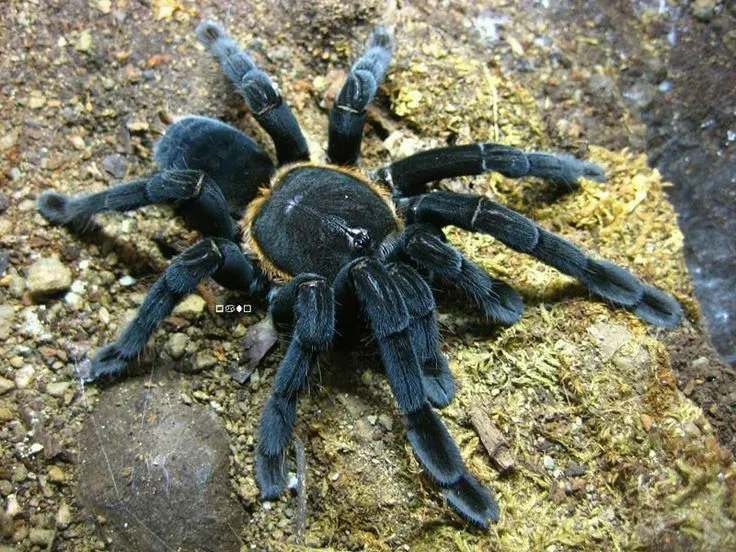
One of the most striking aspects of tarantulas is their impressive size. They are among the largest spiders in the world, with some species having leg spans that can exceed 10 inches. This size is a result of their growth process, which involves molting, where they shed their exoskeleton to grow larger. Their bodies are covered in hairs, which serve various purposes, including sensory perception and defense. These hairs can also cause irritation to potential predators. The coloration of tarantulas varies greatly depending on the species and habitat, ranging from earthy browns and blacks to vibrant blues and oranges. Their large size and diverse appearances make them fascinating subjects for observation and study. The sheer scale of some tarantulas is a testament to their evolutionary success and adaptation to different environments, making them a true marvel of the animal kingdom.
Body Structure

The body structure of a tarantula is divided into two main parts: the cephalothorax and the abdomen. The cephalothorax is the fused head and thorax, containing the spider’s eyes, mouthparts, and legs. The abdomen houses the spider’s internal organs, including the heart, digestive system, and reproductive organs. They have eight legs, each with claws that allow them to climb and grip surfaces. Their bodies are covered in a cuticle, an exoskeleton made of chitin, that provides protection and support. This exoskeleton is shed during the molting process as the spider grows. They also have spinnerets at the end of their abdomen, which they use to produce silk for various purposes, such as creating webs and egg sacs. This intricate body structure is perfectly designed for their lifestyle as predators and ensures their survival in their habitats.
Coloration and Variations
The coloration of tarantulas is incredibly diverse, showcasing a wide array of patterns and hues. The colors can range from the common browns and blacks to vibrant blues, oranges, and yellows. The specific coloration of a tarantula often serves as camouflage, helping them blend in with their surroundings to avoid predators or ambush prey. Some species have warning coloration, indicating that they are venomous or possess other defense mechanisms. Their coloration can also vary depending on their age and sex. Juvenile tarantulas often have different colors and patterns than adults. The variety in coloration is a testament to the evolutionary adaptations that allow tarantulas to survive in different environments. The ability to blend into their habitats enhances their chances of survival.
Tarantula Fact 2: Lifespan
Tarantulas are known for their relatively long lifespans, especially when compared to other spiders. The average lifespan of a tarantula can range from several years to over 20 years, with females generally living longer than males. This extended lifespan is a result of their slow metabolism and the fact that they stop growing after reaching maturity. Their long lifespans are one of the reasons why they are popular pets. Proper care and environmental conditions are crucial for maximizing their lifespan. Their ability to survive for an extended period is a remarkable aspect of their biology, allowing them to reproduce and contribute to their ecosystems for many years. This longevity is also a testament to their resilience and adaptability.
Male vs Female Tarantulas

There are significant differences in the lifespans of male and female tarantulas. Females generally live much longer than males, often by several years. This difference is primarily due to the males’ role in reproduction. After mating, male tarantulas often die shortly after, whereas females continue to live and reproduce. Male tarantulas mature faster, often reaching sexual maturity in a few years, while females take longer. Male tarantulas have specialized structures on their pedipalps, which they use to transfer sperm to the female. Their overall appearance is often less robust than females. Understanding the differences between males and females is crucial for tarantula breeders and enthusiasts, who must cater their care to the species’ specific needs.
Factors Influencing Lifespan
Several factors influence the lifespan of a tarantula. Proper care, including providing a suitable habitat, appropriate temperature, and a balanced diet, plays a significant role. Stress and injury can also shorten their lives. The genetics of the tarantula also influence its lifespan; some species naturally live longer than others. Predators and diseases can also decrease the lifespan of tarantulas in the wild. Maintaining a stable and healthy environment is essential for ensuring that a tarantula lives a long and fulfilling life. Regular check-ups and preventative care can help detect and address any potential health issues, allowing them to thrive in their enclosures. These animals need a safe, controlled environment.
Tarantula Fact 3: Venom and Defense
Tarantulas possess venom, which they use primarily for subduing prey. However, the venom of most tarantula species is not considered dangerous to humans. Their bites are often compared to a bee sting, causing localized pain and discomfort. The potency of the venom varies depending on the species, with some being more potent than others. In addition to venom, tarantulas have several defensive behaviors. They can flick urticating hairs from their abdomen, which cause irritation and itching if they come into contact with the skin. They can also rear up and display their fangs as a warning. These defense mechanisms help protect them from predators. The effectiveness of their venom and defensive behaviors are essential for their survival in their natural habitats.
Venom Potency

The potency of tarantula venom varies depending on the species. Most tarantula bites are not considered medically significant to humans. Their venom primarily contains neurotoxins and enzymes that help paralyze and break down their prey. Some species have slightly more potent venom than others, but severe reactions are rare. The venom can cause localized pain, swelling, and redness at the bite site. In some cases, there may be more generalized symptoms such as nausea or muscle cramps. It is important to note that allergic reactions can occur, which can make the venom dangerous to a specific person. Understanding the potency of a tarantula’s venom is crucial for responsible pet ownership and for handling them safely.
Defensive Behaviors
Tarantulas employ various defensive behaviors to protect themselves from predators. One of the most common is the flicking of urticating hairs. These hairs are found on their abdomen and can be released when the spider feels threatened. The hairs cause intense itching and irritation if they come into contact with skin or eyes. They also use a threat posture, rearing up on their hind legs and displaying their fangs. This is a warning signal to potential predators. They may also bite as a last resort. Their defensive behaviors are essential for their survival in the wild. They may also run away when they feel threatened, to try to get away from the perceived threat.
Tarantula Fact 4: Molting Process
Molting is a critical process for tarantulas, allowing them to grow and replace their exoskeleton. During this process, the tarantula sheds its old exoskeleton and reveals a new, larger one underneath. This process is essential for the spider’s growth and development. The frequency of molting varies depending on the age of the tarantula, with younger spiders molting more often than older ones. Molting is a vulnerable time for tarantulas. They are defenseless during this period, as they have soft bodies. It also provides an opportunity to regenerate lost limbs. Understanding the molting process is crucial for responsible tarantula care. This is a natural part of their growth cycle and is a sign of a healthy, growing spider. It is important to avoid disturbing or handling a tarantula during the molting process, as it can be stressful and potentially harmful.
Preparing to Molt

Before molting, a tarantula will often exhibit several behaviors that indicate it is preparing to shed its exoskeleton. They may stop eating, become less active, and seek out a secure place to molt. The tarantula’s abdomen may darken and become swollen as it prepares to split its exoskeleton. They may also spin a silk mat in preparation for molting. Creating the right environment is also crucial. The molting process can be stressful for the tarantula, so providing a calm and undisturbed environment is important. Recognizing the signs of pre-molt behavior is essential for providing appropriate care. Understanding these indicators will help prevent unnecessary stress and potential harm during this critical time.
The Molting Stages
The molting process involves several stages. The tarantula first separates its old exoskeleton from the new one underneath. They will then split open the old exoskeleton, typically along the cephalothorax or abdomen. The spider slowly pulls itself out of the old exoskeleton, leaving behind its cast skin. The new exoskeleton is initially soft and vulnerable, taking several days to harden. During this time, the tarantula is at its most vulnerable and should not be disturbed. The molting process is a fascinating and vital part of the tarantula’s life cycle. Witnessing this process is a privilege for tarantula keepers, a sign of the health and the potential for growth.
Tarantula Fact 5: Breeding and Reproduction
Tarantulas reproduce through a complex process. The female produces eggs, which are fertilized by the male. Mating rituals vary among species but often involve the male drumming on the female’s web or using other signals to attract her. After mating, the female lays her eggs and encases them in an egg sac made of silk. She then guards the egg sac, protecting it from predators and providing a suitable environment for the eggs to develop. The spiderlings hatch from the eggs and go through several molts before becoming adult tarantulas. Reproduction is essential for the survival of tarantula species. The success of breeding depends on many factors, including the health and environment of the tarantulas.
Mating Rituals

Mating rituals among tarantulas are fascinating. The male tarantula must approach the female cautiously to avoid being mistaken for prey. They often use elaborate displays. In many species, the male drums on the ground or web, creating vibrations to attract the female and indicate his intentions. He may also present the female with a gift, such as a wrapped insect, to increase his chances of a successful mating. If the female accepts the male’s advances, he will mate with her, transferring sperm using specialized structures on his pedipalps. However, after mating, the male risks being eaten by the female. The mating rituals have evolved to enhance reproductive success.
Egg Sacs and Spiderlings
After mating, the female tarantula will lay her eggs and create an egg sac. The egg sac is a protective enclosure made of silk, in which the eggs are safely stored. The female tarantula guards the egg sac, often protecting it fiercely. She will move it around to maintain the right temperature and humidity levels. After a few weeks or months, the eggs hatch, and the spiderlings emerge. These baby tarantulas look like miniature versions of their parents. They will remain in the egg sac for a short time. The spiderlings molt several times before dispersing to start their independent lives. Understanding the importance of these stages is essential for those interested in breeding or raising tarantulas.