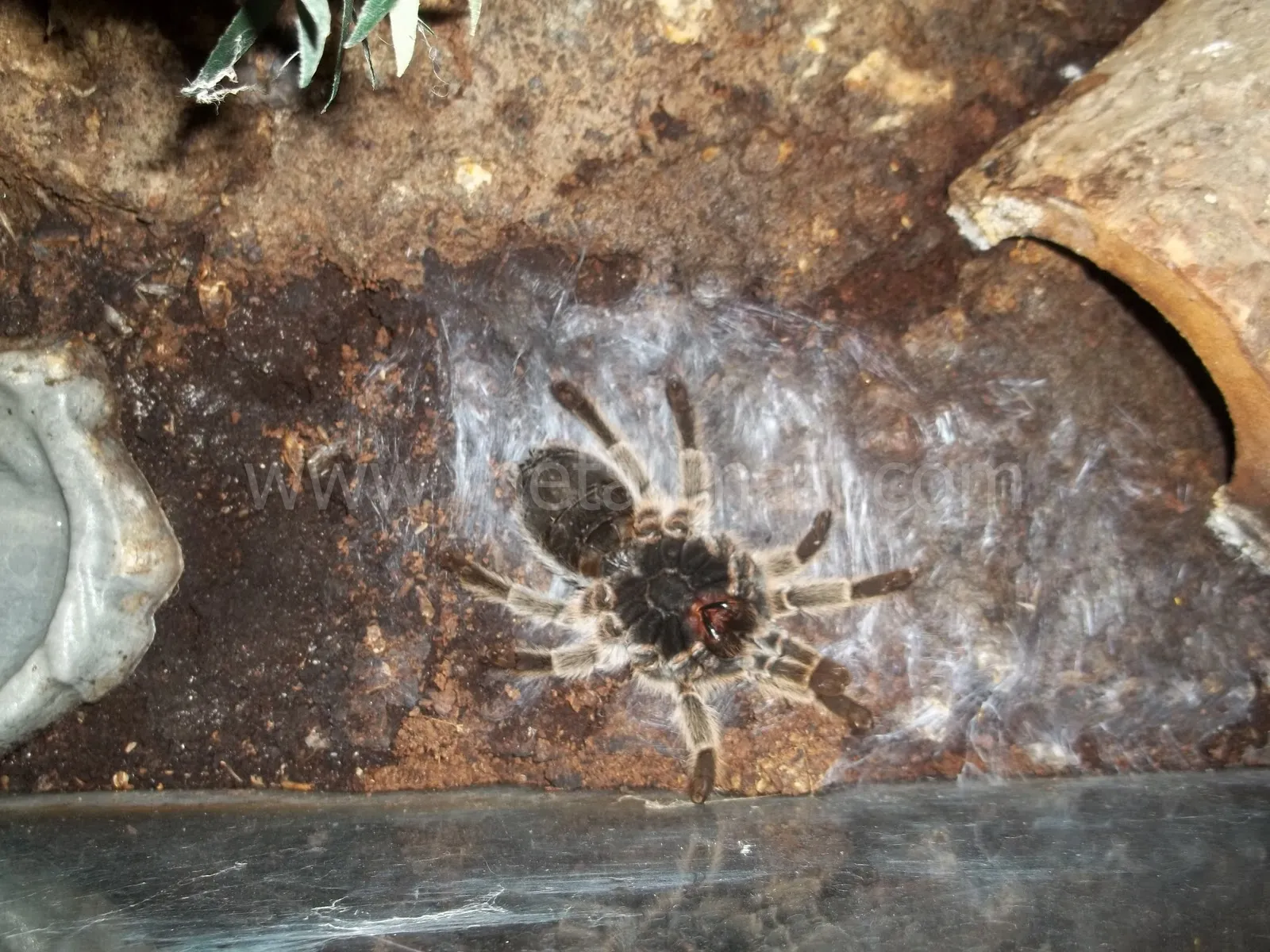
Why Tarantulas Stop Eating After Molting
Molting is a crucial and physically demanding process for tarantulas, where they shed their old exoskeleton to grow. After this significant event, it’s common for tarantulas to refuse food. Understanding the reasons behind this behavior is essential for responsible tarantula ownership. This guide explores the key factors influencing a tarantula’s appetite after molting, offering insights into their recovery and feeding habits. The period immediately following a molt is a vulnerable time for tarantulas, and their behavior, including feeding, is closely tied to their recovery and well-being. It’s important to provide the right conditions for a smooth transition back to normal feeding patterns.
Understanding the Molting Process
Molting is the process by which a tarantula sheds its exoskeleton, which doesn’t grow with the spider. This process allows the tarantula to grow larger and replace any damaged or worn parts. Before molting, the tarantula will typically stop eating, become less active, and may even flip onto its back. The process can take anywhere from a few minutes to several hours, depending on the tarantula’s size and species. Afterward, the tarantula will be soft and vulnerable until its new exoskeleton hardens. This is a critical period for their survival, requiring a period of inactivity and recovery before they resume normal activities, including feeding.
The Importance of Exoskeleton Hardening

After molting, a tarantula’s new exoskeleton is soft and pliable. It takes time for the new exoskeleton to harden, which makes them vulnerable to injury. During this hardening period, the tarantula will generally not eat because their chelicerae (mouthparts) and fangs are not yet strong enough to effectively capture and consume prey. The hardening process can take several days to a few weeks, depending on the tarantula’s age, species, and environmental conditions. Providing the correct humidity levels helps the exoskeleton harden properly and speeds up the tarantula’s recovery. The tarantula’s willingness to eat is directly linked to its exoskeleton’s condition.
How Long After Molting Until They Eat?
The time it takes for a tarantula to resume eating after molting varies. Generally, it’s best to wait at least a week or two before offering food. Juvenile tarantulas may start eating sooner than adults. Observe your tarantula carefully. If it seems active and the fangs appear hardened, you can cautiously offer food. Start with a small, easily manageable prey item, such as a small cricket or a mealworm. Avoid offering large prey items immediately after molting, as the tarantula may not be able to handle it. Monitor the tarantula’s behavior and remove the prey if it’s not eaten within 24 hours. Patience is key; don’t be concerned if the tarantula doesn’t eat right away.
Top 5 Reasons Tarantulas Refuse Food After Molting
Stress and Environmental Factors

Stress is a significant factor influencing a tarantula’s appetite. Stress can be caused by various environmental factors, including loud noises, vibrations, or frequent disturbances. Handling the tarantula, especially after molting, can cause unnecessary stress. Maintain a calm and consistent environment for your tarantula to encourage feeding. Ensure the enclosure is in a quiet area away from excessive activity. Avoid sudden changes in temperature or humidity, which can also stress your tarantula. A stressed tarantula is less likely to eat. Providing a secure, undisturbed environment is crucial for their recovery and feeding behavior.
Improper Enclosure Conditions
Improper enclosure conditions can also lead to a tarantula refusing food. The enclosure’s temperature and humidity levels must be appropriate for the tarantula’s species. Too much or too little humidity can affect their ability to molt and harden their exoskeleton. Ensure the enclosure is well-ventilated to prevent mold and mildew growth. Provide a water dish with fresh water at all times. A cluttered enclosure or one that is too small can also stress your tarantula. Regular cleaning is essential to maintain a healthy environment. Adjusting the enclosure’s environment to meet the tarantula’s specific needs can often encourage it to eat.
Prey Not Appealing
Sometimes, the tarantula may not be interested in the offered prey. The prey might be too large, not moving, or dead. Offer a variety of prey items, such as crickets, mealworms, or dubia roaches, to see what your tarantula prefers. Make sure the prey is of an appropriate size; the prey should be no larger than the tarantula’s abdomen. Ensure the prey is alive and actively moving to stimulate the tarantula’s hunting instincts. Some tarantulas may be more inclined to eat specific types of prey. Observe your tarantula’s preferences to optimize feeding success. If the prey is dead, remove it from the enclosure, as a tarantula may not eat it.
Illness or Parasites

While less common, illness or parasites can also be reasons for a tarantula not eating. If your tarantula exhibits other symptoms, such as lethargy, unusual posture, or discharge, it may be ill. Parasites can also affect appetite. Inspect your tarantula regularly for signs of illness or parasites. If you suspect your tarantula is sick, consult a veterinarian experienced with arachnids. Certain parasites or illnesses may need treatment, and early detection is critical. Regular health checks are essential for ensuring the well-being of your pet tarantula.
Impaction or Constipation
Impaction or constipation can also lead to a lack of appetite. This condition occurs when a tarantula’s digestive system is blocked, often due to the ingestion of substrate. To prevent impaction, avoid using loose substrates, such as gravel, which can be accidentally consumed during feeding. Ensure your tarantula has access to fresh water to aid in digestion. If you suspect impaction, carefully monitor the tarantula’s behavior. If the condition persists, you may need to consult a veterinarian for treatment. Ensuring proper hydration and avoiding easily ingested substrate is crucial for preventing this issue. This can seriously affect its health, and prompt action is necessary.
What to Do if Your Tarantula Won’t Eat
Provide a Safe and Stress-Free Environment

The first step is to provide a safe and stress-free environment. Place the enclosure in a quiet area where it won’t be disturbed by loud noises or vibrations. Avoid handling the tarantula unnecessarily. Maintain a consistent temperature and humidity level appropriate for the tarantula’s species. A comfortable and secure environment will encourage the tarantula to eat. Ensure the enclosure is clean and free of any potential hazards. By minimizing stress factors, you increase the chances of the tarantula resuming normal feeding behavior.
Offer Appealing Prey
Try offering a variety of live prey items, such as crickets, mealworms, or dubia roaches. Make sure the prey is appropriately sized and actively moving. The movement of the prey stimulates the tarantula’s hunting instincts. If the tarantula doesn’t eat the offered prey within 24 hours, remove it to prevent stress. Try offering a different type of prey the next time. Observe what type of prey your tarantula seems most interested in and adjust accordingly. Offering fresh, healthy prey is critical for encouraging feeding.
Check for Impaction and Other Health Issues
Inspect the tarantula for any signs of impaction or other health issues. Look for a swollen abdomen, lethargy, or unusual behavior. Make sure the tarantula has access to fresh water. Check the enclosure for any potential hazards. If you notice any signs of illness or suspect impaction, consult a veterinarian with experience in arachnids. Early intervention is often crucial for successful treatment. Careful observation and prompt action can address the underlying cause of the refusal to eat.
When to Consult a Veterinarian

If your tarantula refuses to eat for an extended period, shows signs of illness, or you are concerned about its health, it is essential to consult a veterinarian experienced with tarantulas. A vet can assess the tarantula’s condition and provide appropriate advice or treatment. Don’t hesitate to seek professional help; early intervention can make a significant difference. Be prepared to provide information about the tarantula’s environment, feeding habits, and any observed symptoms. The vet can perform diagnostic tests and recommend the best course of action. Professional veterinary care is crucial if you are unable to determine the cause of the feeding problem.
Preventing Feeding Problems After Molting
Proper Humidity and Temperature
Maintaining the correct humidity and temperature levels is crucial for successful molting and preventing feeding problems. Research the specific requirements of your tarantula species. Use a hygrometer to monitor humidity levels and a thermometer to monitor temperature. Proper humidity helps the tarantula shed its exoskeleton successfully and the correct temperature supports metabolic processes. Adjust the enclosure environment as needed. Proper environmental conditions contribute significantly to the tarantula’s overall health and its willingness to eat after molting. Regularly check and adjust conditions to prevent issues.
Appropriate Prey Size
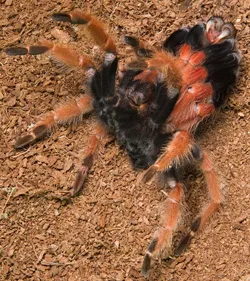
Always offer prey that is appropriately sized for your tarantula. The prey should generally be no larger than the tarantula’s abdomen. Overly large prey can stress the tarantula and make it less likely to eat. Feed juvenile tarantulas smaller prey items more frequently, while adults can be fed larger prey less often. Provide a variety of prey options to ensure the tarantula receives a balanced diet. Avoid overfeeding, as this can lead to health issues. Adjust the prey size according to the tarantula’s growth and health. Choosing the right prey size minimizes potential issues and supports healthy feeding habits.
Regular Enclosure Cleaning
Regular enclosure cleaning helps prevent health problems that can affect a tarantula’s appetite. Remove uneaten prey items, feces, and any other waste regularly. Replace the substrate periodically. Clean the water dish and refill it with fresh water. A clean enclosure reduces the risk of parasites, mold, and bacteria that can cause illness. Regular cleaning promotes a healthy environment and supports the tarantula’s overall well-being. Maintaining a clean and hygienic environment supports optimal health.