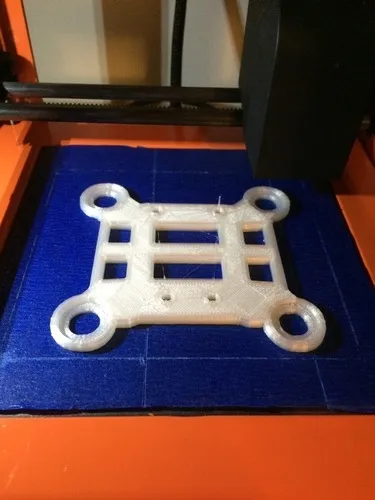
Understanding Tarantula X6 Calibration
Calibration is a crucial process for ensuring the optimal performance and stability of your Tarantula X6 drone. It involves aligning the various sensors and components of the drone to work in harmony, allowing for smooth and controlled flight. Without proper calibration, your drone may experience erratic behavior, such as drifting, tilting, or even crashing. This guide provides a comprehensive, step-by-step walkthrough of the calibration process, ensuring you can get your Tarantula X6 flying at its best. This is very important for all drone users, new and old, as the calibration makes sure the drone is working as it should. Without calibration, the drone might malfunction and cause a crash, which is not ideal.
Why Calibrate Your Tarantula X6
Calibration is essential for several reasons. First and foremost, it ensures flight stability. The Tarantula X6 relies on a complex system of sensors, including gyroscopes and accelerometers, to maintain its balance. Calibration aligns these sensors, enabling the drone to correct for any imbalances and maintain a level attitude. Secondly, calibration enhances control responsiveness. Properly calibrated components respond more accurately to your commands, providing a more intuitive and enjoyable flying experience. Finally, calibration extends the lifespan of your drone by minimizing wear and tear on its components. Correct alignment reduces strain on the motors and other parts, ensuring that your drone performs well for years to come.
Benefits of Proper Calibration

The benefits of properly calibrating your Tarantula X6 are numerous. The most noticeable benefit is improved flight stability, making the drone easier to control, especially for beginners. You’ll also experience enhanced responsiveness, as the drone reacts more quickly and accurately to your commands. This leads to more precise maneuvers and a more enjoyable flying experience overall. Furthermore, calibration can help to prevent crashes by ensuring that the drone’s sensors are functioning correctly. It minimizes the risk of the drone drifting or tilting unexpectedly. In addition, regular calibration can prolong the life of your drone’s components by reducing wear and tear, saving you money in the long run. Consider the investment in calibration as an investment in your drone.
Tools You’ll Need for Calibration
Before you begin calibrating your Tarantula X6, gather the necessary tools and equipment. Having everything ready will streamline the process and prevent any interruptions. This section provides a list of the essentials you’ll need. Make sure that you have a clear workspace before proceeding, as the calibration requires your full attention. A clean workspace is a safe workspace and the procedure requires focus.
The Tarantula X6
The primary tool you’ll need is, of course, your Tarantula X6 drone. Ensure that the drone is fully charged and ready for operation. It’s also a good idea to inspect the drone for any visible damage or wear and tear before beginning the calibration process. If you notice any issues, address them before proceeding with the calibration. Having a fully functional drone is essential. Ensure the propellers are securely attached and undamaged, and that the battery is correctly installed. The Tarantula X6 is a robust machine, but proper care and inspection are crucial for its safe and reliable operation.
Necessary Tools and Equipment

Besides the drone itself, you will need the following Transmitter, which is used to control the drone. A flat and level surface is also required. Make sure the surface is free from any obstructions or magnetic interference, like metal. Ensure the area is well-lit so you can clearly see the drone and its surroundings. Read the manual for your drone to understand the specific calibration procedure recommended by the manufacturer. And finally, a small Phillips head screwdriver might be useful for any adjustments. Having these tools readily available will make the calibration process smoother and more efficient.
Step-by-Step Calibration Guide
Now, let’s dive into the step-by-step calibration guide. This section will walk you through each step of the process, ensuring that you calibrate your Tarantula X6 correctly. It’s essential to follow these steps carefully and in the order provided. Incorrect calibration can lead to poor flight performance or even damage to your drone. Take your time, be patient, and double-check each step to ensure accuracy. Proper calibration is the key to unlocking the full potential of your Tarantula X6 and enjoying a smooth and stable flying experience. Proceed with care and patience.
Transmitter Calibration
Transmitter calibration is essential for ensuring that your drone responds correctly to your commands. First, turn on your transmitter and the drone. Place the drone on a level surface. Typically, you’ll need to enter a calibration mode on your transmitter, often by pressing and holding specific buttons. Once in calibration mode, follow the instructions provided in your drone’s manual to move the control sticks (throttle, aileron, elevator, and rudder) to their maximum and minimum positions. This process ensures that the transmitter’s signals are correctly interpreted by the drone’s receiver. After the stick movements, the transmitter should be calibrated. The steps might be different from model to model, so refer to the instructions in the drone’s manual.
Receiver Calibration

Receiver calibration aligns the drone’s receiver with the signals from your transmitter. This step typically involves entering a specific calibration mode on the drone itself. Place the drone on a level surface and ensure that both the drone and the transmitter are powered on. Consult your drone’s manual for the exact procedure, but it usually involves a series of button presses or stick movements. The drone’s LED lights will often indicate the calibration status. The receiver learns the neutral positions of the transmitter’s control sticks. After completing the process, the receiver is calibrated, ready to interpret your commands. Properly calibrating the receiver is crucial for ensuring the drone responds to your inputs.
Gyroscope Calibration
The gyroscope is a critical component that helps the drone maintain its stability during flight. Gyroscope calibration is essential for ensuring accurate measurements. Place the drone on a perfectly level surface. This is crucial for accurate calibration. Power on the drone, and enter the gyroscope calibration mode. This is usually done by pressing a specific button combination on the transmitter. The drone’s LED lights will often flash or change color to indicate the calibration process. Allow the drone to sit still and level until the calibration is complete. This might take a few seconds. When the calibration is complete, the drone’s gyro will be properly calibrated, and the drone is ready to fly. This is one of the most important calibration steps.
Motor Calibration
Motor calibration ensures that all four motors spin at the same speed, providing balanced thrust. This will help with the stability of the drone. Place the drone on a level surface and power it on. Enter motor calibration mode, following the instructions in your drone’s manual. This usually involves specific stick movements on the transmitter. Once in calibration mode, the motors will typically spin up and then shut off. This is part of the process. The drone’s LED lights will often indicate the status of the calibration. When the motors stop spinning, the calibration is complete. Motor calibration is very important for the stability of the drone and must be done periodically.
Flight Test and Fine-Tuning

Once you’ve completed the calibration steps, it’s time for a test flight. This will allow you to assess the drone’s performance and make any necessary fine-tuning adjustments. Find an open space, free from obstacles and wind, and take your drone up for its first flight after calibration. This is your opportunity to see if your calibration efforts have paid off. Pay close attention to how the drone behaves during flight. If you notice any issues, such as drifting or instability, you may need to make further adjustments.
Initial Test Flight
Before your first flight, perform a pre-flight check. Inspect the propellers for any damage and ensure they are securely attached. Make sure the battery is fully charged and properly inserted. Take off slowly and observe the drone’s behavior. Check for any unwanted movements or drifting. If the drone seems stable, you can proceed with more complex maneuvers. If you notice any problems, land the drone immediately and troubleshoot the issue. Keep the first flight short and controlled to assess performance and make any required adjustments. This is critical for the safety of the drone and the user. Avoid any high-speed maneuvers and keep the drone close by.
Troubleshooting Common Issues
During the test flight, you might encounter a few common issues. Drifting is a common problem and often indicates the need for further gyroscope calibration. If the drone drifts to one side, repeat the gyroscope calibration process. Another common issue is instability, which may be caused by unbalanced motors or incorrect transmitter settings. If the drone is unstable, double-check the motor calibration and transmitter settings. If the drone doesn’t respond to the transmitter’s controls, double-check the receiver calibration. If issues persist, consult the drone’s manual or online resources for more troubleshooting tips. Always prioritize safety and don’t hesitate to seek help if you are unsure. Troubleshooting can often be fixed with just a little patience.
Advanced Calibration Techniques

For optimal performance, consider some advanced calibration techniques. These techniques can help you fine-tune your drone and extract the best possible performance. Calibration isn’t just about getting the drone to fly; it’s about getting it to fly well. These tips will help make your flights smoother. Remember that every drone is different, and there will be minor nuances on what works best.
Calibrating for Optimal Performance
If you’re looking to push your Tarantula X6 to its limits, you can explore advanced calibration techniques. You may want to adjust the sensitivity settings for the drone’s control. This can improve the responsiveness of the drone to your inputs. Also, learn how to adjust the flight parameters through the drone’s software or app, if available. Experiment with different settings to see what works best for your flying style and environment. Remember to always prioritize safety when experimenting with advanced settings. These advanced techniques are for experienced users and need to be approached with care.
Maintaining Your Calibration
Regular calibration is important for maintaining your drone’s performance. Recalibrate your Tarantula X6 periodically, especially after any significant events, such as a crash or when you’ve replaced any parts. Recalibrate the drone before each flight, particularly if you are flying in different environments. Changes in temperature and atmospheric conditions can affect the drone’s performance. It’s a good habit to make a quick calibration a part of your pre-flight checklist. By following these tips, you can ensure that your Tarantula X6 always flies at its best and give you a great experience. Maintenance will always make your drone last longer and perform better.
Conclusion

Calibrating your Tarantula X6 is an essential skill for all drone pilots. By following this step-by-step guide, you can ensure that your drone is flying smoothly and safely. Remember to take your time, be patient, and always prioritize safety. Regular calibration and maintenance will help you get the most enjoyment from your drone and extend its lifespan. Proper calibration is a critical investment in your drone. Fly safe, and enjoy your flights.