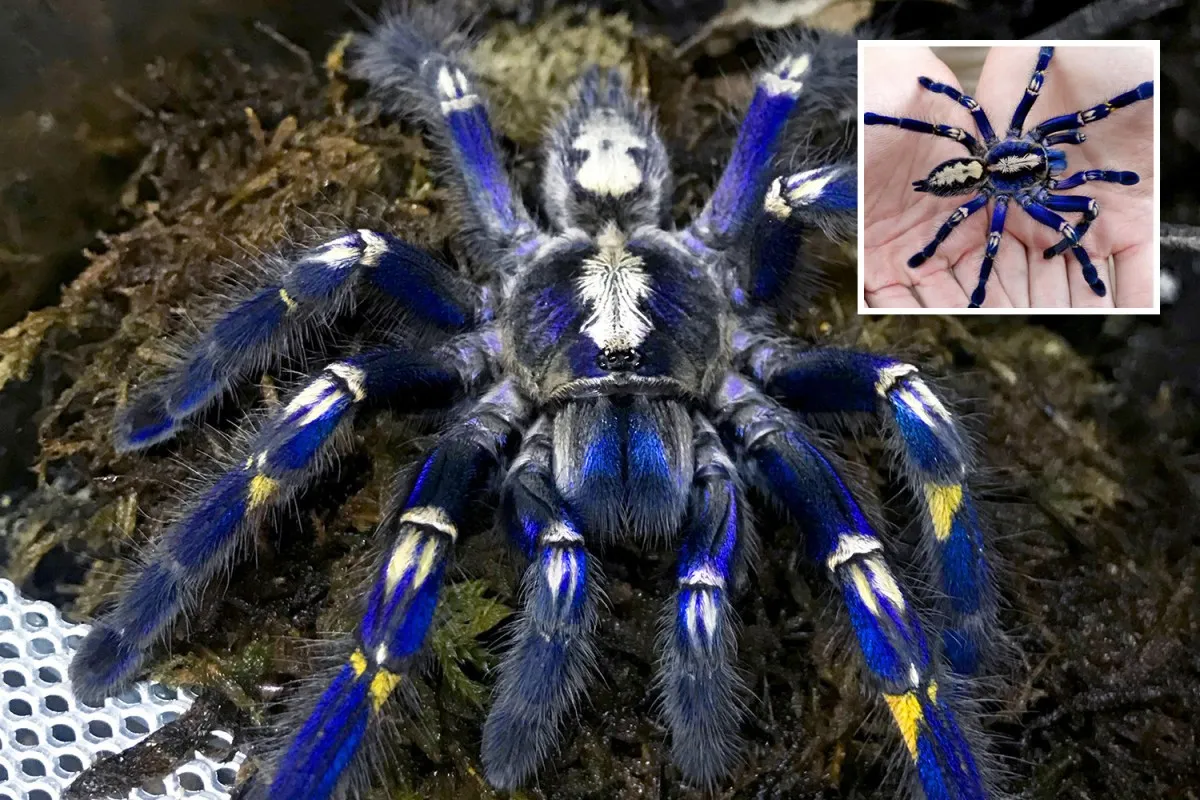
The Venomous Nature of Tarantula Bites
Tarantulas, while often feared, are not typically considered deadly to humans. However, it’s crucial to understand that their bites can be venomous, leading to varying degrees of discomfort and potential complications. The venom’s effects depend on several factors, including the tarantula species, the amount of venom injected, and the individual’s sensitivity. This article will explore the top 5 facts regarding venomous tarantula bites, shedding light on the severity, symptoms, species involved, mechanics of a bite, first aid, and long-term effects. This information is vital for anyone who encounters these fascinating creatures, whether as a pet owner or in the wild.
Fact 1 Severity of Tarantula Venom
The severity of a tarantula bite varies greatly. Most bites result in localized pain, similar to a bee sting, along with redness and swelling at the bite site. The venom primarily contains enzymes and other compounds that cause inflammation and pain. While extremely rare, severe reactions are possible, especially in individuals with allergies. It is important to differentiate between the venom’s effects and possible secondary infections that could occur if the bite wound is not properly cared for. The venom itself is generally not life-threatening to humans, but the reaction can be quite unpleasant.
Understanding the Toxicity Levels

Toxicity levels in tarantula venom are generally low compared to those of other venomous animals like snakes or scorpions. The primary effect of the venom is to incapacitate the tarantula’s prey, such as insects and small animals. In humans, the venom can cause localized symptoms such as pain, itching, and swelling. The toxicity levels can be slightly different among various species of tarantulas. The venom composition itself is complex, with proteins, enzymes, and other bioactive substances that contribute to the overall effect of the bite.
Symptoms of a Venomous Bite
Common symptoms of a tarantula bite include immediate pain, redness, and swelling at the bite site. Other symptoms might include itching, muscle cramps, and localized warmth. In rare cases, more severe symptoms can occur, such as nausea, vomiting, dizziness, or difficulty breathing. It’s essential to monitor the bite site and the individual’s overall health for any signs of a systemic reaction. If severe symptoms develop, immediate medical attention is necessary. Some individuals might also experience psychological distress, like anxiety or fear, following the bite.
Fact 2 Common Tarantula Species and Venom
Different tarantula species possess varying levels of venom potency. Some species are known for bites that cause more significant localized effects. While the venom of most tarantulas is not highly dangerous to humans, the severity of symptoms can differ. Common pet tarantula species like the Chilean rose tarantula have a bite that typically results in mild symptoms. However, others, like some of the larger, more aggressive species, might cause more intense pain and inflammation. Research into tarantula venom is ongoing, constantly adding to the understanding of its various components and effects.
Popular Tarantula Species

Popular tarantula species kept as pets include the Chilean rose tarantula, the Mexican red knee tarantula, and various species of the Avicularia genus. These species are generally considered to have relatively mild venom, posing less risk to humans. Others, such as the Goliath birdeater, the world’s largest tarantula, are also kept as pets, but their bites can cause more severe reactions due to their size and potent venom. Understanding the specific species involved is crucial for assessing the potential effects of a bite. Always research a species thoroughly before considering it as a pet.
Venom Potency Variation
Venom potency can vary not only among different species but also within the same species. Factors such as the tarantula’s age, size, and overall health can influence the venom’s composition. The quantity of venom injected during a bite also plays a significant role in determining the severity of symptoms. Some tarantulas may inject more venom when feeling threatened or when biting a large prey item. It’s crucial to remember that even species with generally mild venom can cause more significant symptoms if a larger amount is injected.
Fact 3 The Mechanics of a Tarantula Bite
Understanding how a tarantula bites and injects venom helps to better understand the potential effects. Tarantulas use two fangs, called chelicerae, located at the front of their head. These fangs are sharp and designed to pierce the skin of their prey. When a tarantula bites, it injects venom through these fangs, releasing it into the wound. The bite itself can be a quick process, but the intensity of the venom’s effects can vary depending on several factors.
The Bite Process Explained

The bite process typically involves the tarantula rapidly extending its fangs and striking its target. The fangs penetrate the skin, and the venom is injected into the wound. Tarantulas can control the amount of venom injected, which is often a small dose. The bite is primarily a defense mechanism, used to protect the tarantula from perceived threats. The pain from a tarantula bite is often described as similar to a bee sting, with localized pain and swelling. The bite process is very fast.
How Venom Enters the Body
Venom enters the body through the puncture wounds created by the tarantula’s fangs. The venom’s components quickly begin to interact with the tissues, causing the initial pain and inflammation. The venom spreads locally, causing swelling and redness. The speed and extent of venom spread depend on various factors, including the amount of venom injected and the body’s individual response. The location of the bite and the person’s overall health can also influence the body’s response.
Fact 4 Immediate First Aid Measures
If bitten by a tarantula, it is important to take immediate first aid measures. These steps can help alleviate symptoms and prevent complications. The primary goal is to minimize the impact of the venom and promote healing.
Initial Steps to Take

Immediately wash the bite area with soap and water. This helps to remove any remaining venom and reduce the risk of infection. Apply a cold compress or ice pack to the bite site to reduce pain and swelling. Elevate the affected limb if possible to further reduce swelling. Avoid scratching the bite, as this can increase the risk of infection. Monitor the bite site for any signs of a severe reaction, such as increased swelling, difficulty breathing, or dizziness.
When to Seek Medical Attention
Seek medical attention if you experience severe symptoms such as difficulty breathing, chest pain, nausea, or dizziness. Also, seek medical care if the symptoms do not improve within a few hours, or if there are signs of an allergic reaction. Individuals with known allergies should seek immediate medical help. If you are unsure about the severity of the bite, it is always best to err on the side of caution and consult a healthcare professional. Medical professionals can assess the bite and provide appropriate treatment.
Fact 5 Long-Term Effects and Recovery
The long-term effects of a tarantula bite are generally minimal. Most people recover fully within a few days or weeks. However, in some cases, there may be potential complications. It is essential to understand these possibilities and take the necessary steps to ensure a full recovery.
Possible Complications

Possible complications from a tarantula bite are rare but can include secondary infections at the bite site. If the bite becomes infected, you may experience increased pain, redness, swelling, and pus. Other possible complications include allergic reactions, which can range from mild skin irritation to severe anaphylaxis, which requires immediate medical attention. In rare cases, some individuals might experience prolonged pain or nerve damage at the bite site. Any unusual or worsening symptoms should be evaluated by a healthcare professional.
Recovery Timeline
The recovery timeline for a tarantula bite varies depending on the individual and the severity of the symptoms. Most people experience a full recovery within a few days to a couple of weeks. During this time, it is important to keep the bite site clean and dry. Follow any medical advice provided by a healthcare professional. Avoid strenuous activities that could aggravate the bite. If the symptoms worsen or do not improve, seek medical attention promptly. Proper care and rest will help facilitate a smooth and complete recovery.
In conclusion, while tarantula bites are typically not life-threatening, it’s crucial to understand their venomous nature and potential effects. Recognizing the symptoms, understanding the different species, and knowing the appropriate first aid measures can significantly impact the outcome. By being informed and prepared, you can manage a tarantula bite effectively and ensure a full recovery. Remember to always handle these creatures with respect and caution, and seek medical attention when necessary.