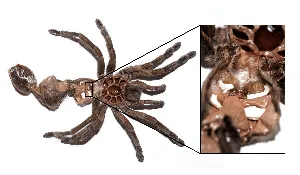
What is a Wet Molt Tarantula
The fascinating world of tarantulas holds many wonders, and one of the most crucial processes in their life cycle is molting. Molting is essentially the shedding of their exoskeleton, allowing them to grow and repair any injuries. A ‘wet molt’ is a term that describes a situation where the tarantula struggles to fully extract itself from its old exoskeleton, resulting in a more difficult and potentially dangerous molting process. Understanding the wet molt phenomenon is essential for any tarantula keeper, as it can significantly impact the health and well-being of these captivating creatures. This article delves into the specifics of wet molting, providing key facts and care tips for a successful molt.
Understanding the Molting Process
Before we get into the specifics of wet molts, let’s first understand the general molting process. Tarantulas, like all arthropods, have an exoskeleton, a rigid outer covering that protects them. This exoskeleton doesn’t grow, so as the tarantula grows, it must shed this outer layer and reveal a new, larger one. This process, called molting, is not just about growth; it also allows the tarantula to regenerate lost limbs, repair injuries, and shed parasites. The molting process involves the tarantula creating a new, soft exoskeleton beneath the old one. Enzymes are secreted to separate the old exoskeleton, and the tarantula then wriggles free, leaving behind its old shell. After molting, the tarantula is extremely vulnerable until its new exoskeleton hardens, which can take several days or weeks, depending on the tarantula’s size and species.
What is a Wet Molt?
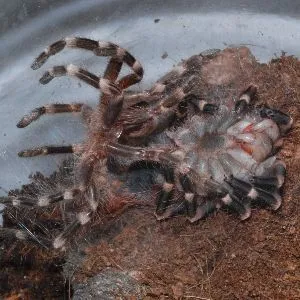
A wet molt, in simple terms, is a molting process that goes wrong. It’s a situation where the tarantula has difficulty completely extracting itself from its old exoskeleton. This can manifest in various ways, such as the tarantula getting stuck, parts of the old exoskeleton remaining attached, or the tarantula appearing weak and unable to move properly during or after the molt. Several factors can contribute to a wet molt, including improper humidity levels, a poor diet, stress, or underlying health issues. It’s important to note that a wet molt is a serious condition that can lead to death if not addressed promptly. Recognizing the signs and knowing how to respond are critical skills for any tarantula owner. This is where the importance of understanding the wet molt and proper care come into play.
Top 5 Facts About Wet Molt Tarantulas
Fact 1 Increased Vulnerability
During a wet molt, the tarantula is exceptionally vulnerable. The process itself is physically demanding, and if the tarantula is struggling, it can quickly become exhausted. This exhaustion leaves the tarantula open to injury and, potentially, attack from other creatures if not housed correctly. The new exoskeleton is initially very soft and pliable, making it easy to damage. Any disturbance during this critical period can lead to deformities or even death. It’s crucial to provide a calm and stable environment, minimizing any potential stressors. It’s also important to ensure proper hydration, as this aids in the molting process and helps the tarantula recover more quickly. Proper hydration is a significant factor when considering a wet molt tarantula.
Fact 2 The Role of Hydration

Hydration plays a critical role in a successful molt, and it’s especially important during a wet molt. Sufficient moisture helps the tarantula to loosen its old exoskeleton and facilitates the shedding process. Dehydration can make the old exoskeleton dry and difficult to separate, increasing the chances of a wet molt. Provide a shallow water dish with fresh, clean water and ensure the humidity level in the enclosure is appropriate for the tarantula species. Misting the enclosure, although done with caution, can help increase humidity, but be sure not to oversaturate the enclosure, which can lead to other health problems. Hydration is also vital after the molt, as the tarantula needs to rehydrate its new exoskeleton. Access to water must be constant.
Fact 3 Physical Changes
Wet molts can lead to various physical changes in the tarantula. In some cases, the tarantula may experience limb deformities if it struggles to extract itself from the old exoskeleton. The new exoskeleton might not harden properly, leading to a weakened or malformed body. The chelicerae (fangs) might not develop correctly, hindering the tarantula’s ability to feed. These physical changes can impact the tarantula’s quality of life and its ability to survive. Therefore, any signs of a wet molt should be taken seriously, and immediate action should be taken to assist the tarantula if necessary. The aim should be to minimise stress and maintain a healthy environment to improve the chances of recovery.
Fact 4 Post-Molt Behavior
After a wet molt, a tarantula’s behavior can be quite different. They will often be very weak and lethargic, and they may not eat for a while. It’s important to avoid handling the tarantula during this period, as its new exoskeleton is still soft and vulnerable. Provide a calm and quiet environment to allow the tarantula to recover. Offer food a few days after the molt, but do not be alarmed if the tarantula doesn’t eat immediately. Ensure that the tarantula has access to fresh water. Observe the tarantula closely for any signs of further distress, such as difficulty moving or signs of infection. Patience and observation are key to the successful recovery of a tarantula that has experienced a wet molt.
Fact 5 Importance of Environment

The environment plays a significant role in preventing wet molts. Maintaining the correct humidity and temperature levels for the specific tarantula species is critical. An enclosure that is too dry can lead to dehydration, which, as we know, can cause molting issues. A cluttered or stressful environment can also increase the risk of a wet molt. The enclosure should be large enough for the tarantula to move comfortably, and it should have suitable substrate for burrowing or climbing, depending on the species. Avoid any sudden changes in temperature or humidity. By creating a stable and comfortable environment, you can significantly reduce the chances of a wet molt. Always research the specific requirements of your tarantula species.
Caring for a Tarantula During a Wet Molt
Maintaining Proper Humidity
Maintaining the correct humidity levels is one of the most critical aspects of caring for a tarantula, especially during a wet molt. The humidity level should be appropriate for the species, generally between 60-80%. You can achieve this by providing a water dish and misting the enclosure occasionally. Use a hygrometer to monitor humidity levels accurately. The substrate should be damp, but not waterlogged. If the humidity is too low, the tarantula may struggle to molt. However, too much humidity can lead to other problems, such as mold growth. A good rule of thumb is to follow the recommendations for your specific species. Always monitor the enclosure to ensure it’s perfect.
Providing a Safe Environment

Providing a safe environment is essential for the well-being of any tarantula, particularly during a wet molt. Remove any potential hazards from the enclosure, such as sharp objects or decorations that could harm the tarantula. The enclosure should be secure to prevent escapes. Minimize disturbance. Do not handle the tarantula during the molting process or immediately after. Provide a hide or burrow where the tarantula can feel safe and secure. A stable environment reduces stress, making it easier for the tarantula to molt successfully. Ensure the tarantula is safe from external threats. A safe environment will assist the tarantula’s recovery.
Avoiding Disturbances
Avoiding disturbances is a crucial part of the care routine during a wet molt. Keep the enclosure in a quiet location away from loud noises or vibrations. Avoid handling the tarantula or opening the enclosure unnecessarily. Do not attempt to assist the tarantula unless it is absolutely necessary, as you could cause more harm than good. Observe from a distance and allow the tarantula to molt in peace. Minimizing stress will significantly improve the tarantula’s chances of a successful molt. Patience is essential. Allow the tarantula to complete the process at its own pace. Avoid any unnecessary interventions that might disrupt or hinder the molting process. This patience will go a long way to ensure success.
Conclusion
Understanding wet molts is an essential part of being a responsible tarantula keeper. By understanding the molting process, the potential risks, and the necessary care requirements, you can significantly increase the chances of a successful outcome. Maintaining proper humidity, providing a safe environment, and avoiding disturbances are key. Remember that prevention is always the best approach. By providing the best possible care, you can help your tarantula live a long, healthy, and fulfilling life. Always continue to learn about these amazing creatures, and be prepared to adapt your care based on the specific needs of your tarantula. This detailed guide provides the necessary information to understand wet molts and effectively deal with them.