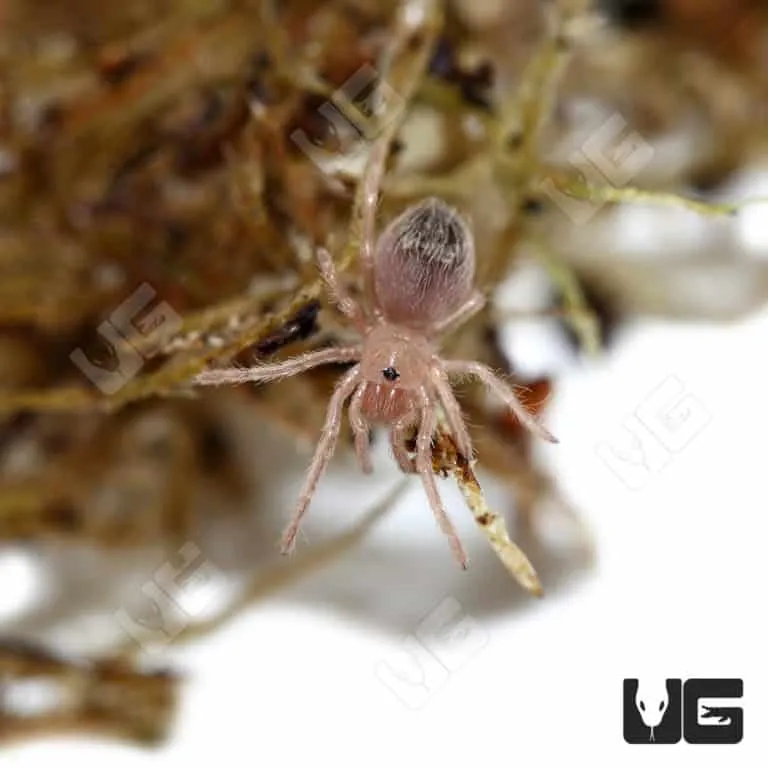
White Striped Tarantula: Top 5 Care Tips!
The white striped tarantula, with its striking markings and relatively docile nature, has become a popular choice for both beginner and experienced arachnid enthusiasts. Keeping these captivating creatures healthy and thriving requires understanding their specific needs. This guide provides the top 5 care tips essential for ensuring your white striped tarantula lives a long, happy life. From enclosure setup to feeding and handling, these tips cover the most crucial aspects of tarantula care, helping you provide the best possible environment for your pet. Follow these guidelines, and you’ll be well on your way to becoming a successful tarantula keeper.
Choosing the Right Enclosure
The enclosure is the tarantula’s home, and its design directly impacts the spider’s well-being. A well-chosen enclosure will provide adequate space for movement, allow for proper ventilation, and maintain the necessary temperature and humidity levels. Glass or clear plastic terrariums are excellent choices, allowing for easy observation of your pet. The enclosure should be escape-proof, with a secure lid to prevent accidental escapes. The size of the enclosure depends on the size of your tarantula, so research the species’ adult size before purchasing.
Enclosure Size and Ventilation

For a juvenile white striped tarantula, a small enclosure of about 5-10 gallons is sufficient. As the tarantula grows, you’ll need to upgrade to a larger enclosure. A good rule of thumb is to provide a space roughly three times the tarantula’s leg span in width and length. Ventilation is critical to prevent mold and maintain air quality. Ensure the enclosure has cross-ventilation, with vents on opposite sides to allow for airflow. Avoid stagnant air, as it can lead to respiratory problems for the tarantula.
Substrate Selection
The substrate, or bedding, is another critical aspect of the enclosure. It serves as a cushion, helps regulate humidity, and provides a place for the tarantula to burrow. A good substrate for a white striped tarantula is a mix of peat moss, coconut fiber, and a small amount of vermiculite. This combination retains moisture well, allows for burrowing, and provides a natural environment. Avoid using substrates that are dusty or contain chemicals, as these can be harmful to the tarantula. The substrate should be deep enough for the tarantula to burrow comfortably.
Maintaining the Perfect Habitat
Once you have the right enclosure, it is important to establish and maintain the proper habitat for your white striped tarantula. This includes regulating temperature and humidity, providing fresh water, and ensuring that the environment remains clean and free of potential hazards. A stable and appropriate habitat is essential for the health and well-being of your pet. Regular monitoring and adjustments may be needed to maintain the perfect environment.
Temperature and Humidity

White striped tarantulas thrive in a temperature range of 75-85°F (24-29°C). Use a thermometer to monitor the temperature inside the enclosure and adjust as needed. Humidity is also important, typically ranging from 60-70%. You can monitor humidity with a hygrometer. To maintain humidity, lightly mist the substrate with water every few days, but avoid over-misting, which can lead to mold growth. Provide a shallow water dish for the tarantula to drink from, and ensure the dish is always clean.
Water and Hydration
Clean, fresh water is essential for your tarantula. Provide a shallow water dish filled with fresh water at all times. The dish should be shallow enough to prevent the tarantula from drowning but large enough to allow it to drink comfortably. Change the water every few days to prevent the buildup of bacteria. In addition to a water dish, you can mist the enclosure lightly to provide additional hydration, especially during molting periods. Never use tap water directly; always use dechlorinated water.
Feeding Your White Striped Tarantula
Feeding your white striped tarantula properly is crucial for its health and growth. Providing the right prey and feeding frequency will ensure your tarantula receives the necessary nutrients. Overfeeding can lead to obesity, while underfeeding can stunt growth or cause other health problems. Therefore, it is essential to have a feeding schedule based on the tarantula’s size and stage of development.
Appropriate Prey

The primary food source for white striped tarantulas should be live insects. Crickets, mealworms, and dubia roaches are excellent choices. The size of the prey should be appropriate for the tarantula’s size; generally, the prey should be no larger than the tarantula’s abdomen. Avoid feeding insects that have been exposed to pesticides. Before feeding, gut-load the insects with nutritious food like vegetables and fruits to provide your tarantula with a more balanced diet. Variety in the diet can also benefit your tarantula.
Feeding Frequency
The feeding frequency depends on the age and size of your tarantula. Spiderlings and juveniles should be fed 2-3 times a week, while adult tarantulas can be fed once a week or every other week. Monitor your tarantula’s abdomen; if it appears round and full, it is well-fed. If the tarantula refuses food, it may be in pre-molt, and you should remove the uneaten prey. Always remove uneaten prey within 24 hours to prevent it from stressing or harming the tarantula.
Handling and Safety Precautions
While white striped tarantulas are generally docile, handling them should be done with caution. Tarantulas can bite if they feel threatened, and their bite can be painful, though not usually life-threatening. Understanding their behavior and following safety precautions will minimize risks and ensure a positive experience for both you and your pet.
Safe Handling Techniques

If you choose to handle your white striped tarantula, do so with utmost care. Always approach the tarantula slowly and gently. Never make sudden movements that could startle it. Handle the tarantula close to the ground or a soft surface, in case it falls. Avoid handling immediately after feeding or during the molting process. Wash your hands thoroughly before and after handling to prevent the transfer of any contaminants.
Understanding Tarantula Behavior
Observe your tarantula’s behavior to understand its mood. If it’s flicking hairs from its abdomen (a defensive behavior), it is best to leave it alone. Other signs of stress include a defensive posture, raising the front legs, or rapid movement. Some tarantulas are naturally more docile than others, but it is essential to respect their boundaries. Getting to know your tarantula’s individual personality will help you understand its behavior and avoid any potential conflicts.
Regular Health Checks
Regular health checks are essential for keeping your white striped tarantula healthy and happy. Observing your pet closely will help you identify potential health issues early on, allowing you to take appropriate action. Monitoring your tarantula’s overall condition and the environment within the enclosure can make a big difference in its well-being.
Identifying Potential Health Issues

Look for signs of illness, such as lethargy, loss of appetite, or changes in appearance. Other indicators include unusual posture, difficulty moving, or discharge from the mouth. Inspect the tarantula’s body for injuries or parasites. Check the enclosure for mold or other signs of poor hygiene, as this can lead to health problems. Monitor the molting process; if the tarantula has trouble molting, it could indicate a problem with humidity or other environmental factors.
When to Seek Veterinary Advice
If you notice any serious health issues, consult a veterinarian experienced in exotic animals. Not all veterinarians are familiar with tarantulas, so it is essential to find one with relevant experience. Describe the symptoms you’ve observed and provide details about the tarantula’s environment and care. Early veterinary intervention can make a significant difference in the outcome of many health problems. If in doubt, seeking professional advice is always the best course of action.
Following these top 5 care tips will help you provide a healthy and enriching environment for your white striped tarantula. Remember that responsible pet ownership includes continuous learning and a commitment to your pet’s well-being. Enjoy the unique experience of caring for these fascinating creatures!